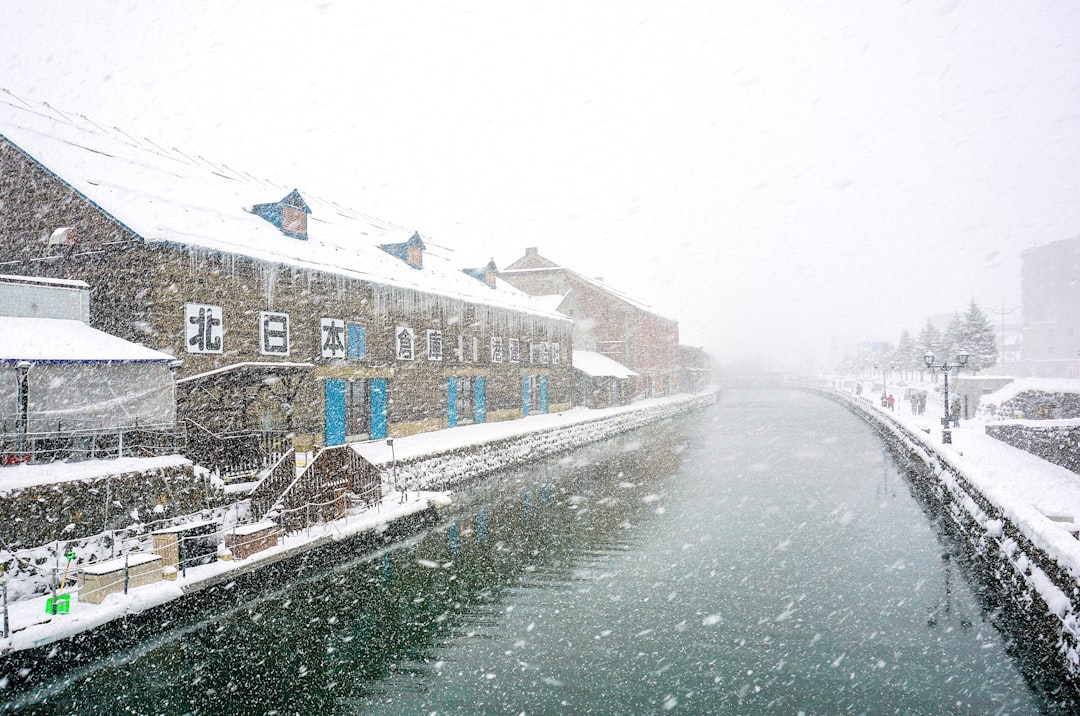

Photo by Yuri Li on Unsplash
Why Hokkaido Is Japan’s Ultimate Winter Destination
When the temperature drops and snow begins to blanket the Japanese archipelago, no region transforms quite like Hokkaido. Japan’s northernmost island becomes a winter wonderland of powder snow, steaming hot springs, dazzling illuminations, and world-class skiing. Unlike the crowded winter destinations of Honshu, Hokkaido offers vast open spaces, dry powder snow considered among the best on Earth, and a slower, more rustic pace of travel. This comprehensive guide will help you plan the perfect Hokkaido winter trip, from choosing the right region to packing essentials and avoiding rookie mistakes.
When to Visit Hokkaido in Winter
Hokkaido’s winter season typically runs from December through March, with the heaviest snowfall and coldest temperatures occurring in January and February. This is also peak powder season for skiers and snowboarders. If you’re chasing the famous Sapporo Snow Festival, plan your trip for early February, when the capital city fills with massive ice sculptures and illuminated snow displays. Late December offers a quieter experience with fresh snow and festive atmosphere, while March brings slightly milder temperatures, making it ideal for travelers who want winter scenery without the deepest cold.
Weather and Temperature Expectations
Winter temperatures in Hokkaido regularly drop below freezing, with average highs hovering around -3°C to 2°C in central areas like Sapporo, and considerably colder in mountainous regions like Asahikawa or Furano. Coastal areas tend to be slightly milder but windier. Always check regional forecasts, as Hokkaido’s size means weather can vary dramatically between the west coast, central mountains, and eastern regions.
Top Destinations for a Hokkaido Winter Trip
Sapporo: The Gateway City
Sapporo serves as the natural hub for most Hokkaido winter itineraries. Beyond the world-renowned Sapporo Snow Festival, the city offers excellent dining, an underground shopping network perfect for escaping the cold, and easy access to nearby ski resorts. Don’t miss trying fresh seafood at Nijo Market or warming up with a bowl of Sapporo-style miso ramen, a dish practically designed for winter comfort.
Niseko: Powder Paradise
Niseko has earned international fame among skiers and snowboarders for its consistent, dry powder snow. This resort town attracts visitors from Australia, North America, and Europe, resulting in a cosmopolitan atmosphere with English-friendly services, upscale accommodations, and a vibrant après-ski scene. Even non-skiers can enjoy Niseko for its onsen hotels with views of Mount Yotei, often called “Ezo Fuji” for its resemblance to Mount Fuji.
Furano and Biei: Scenic Countryside
For travelers seeking a quieter alternative to Niseko, Furano offers excellent skiing with fewer crowds and stunning landscapes. Nearby Biei is famous for its rolling snow-covered hills and photogenic scenery, making it a favorite among photographers even in winter’s stark, minimalist beauty.
Otaru: Canal Lights and Romance
This charming port city near Sapporo is known for its historic canal, glassblowing workshops, and the annual Otaru Snow Light Path Festival, where candles and snow lanterns illuminate the canal and streets in a romantic, fairy-tale atmosphere.
Eastern Hokkaido: Wildlife and Ice
Adventurous travelers should consider the Shiretoko Peninsula and the Abashiri area, where drift ice floats along the Sea of Okhotsk. Ice-breaker cruises let visitors witness this natural phenomenon up close, and the region is also home to red-crowned cranes, Steller’s sea eagles, and other winter wildlife rarely seen elsewhere in Japan.
Must-Do Winter Activities
- Skiing and Snowboarding: Hokkaido’s resorts, particularly Niseko, Rusutsu, and Furano, offer some of the finest powder snow in the world, attracting both beginners and expert riders.
- Onsen Bathing: Few experiences compare to soaking in a steaming outdoor hot spring while snow falls around you. Noboribetsu and Jozankei are among the most famous onsen towns.
- Snow Festivals: Beyond Sapporo, look for smaller regional festivals featuring ice sculptures, snow slides, and local food stalls.
- Drift Ice Walking: In eastern Hokkaido, guided tours let visitors walk directly on the frozen sea ice with proper safety gear.
- Winter Wildlife Watching: Spot red-crowned cranes in Kushiro, whooper swans in Lake Kussharo, and eagles along the Shiretoko coastline.
- Illuminations: Many towns host beautiful light displays that pair wonderfully with the snowy backdrop.
What to Pack for Hokkaido Winter Travel
Proper preparation is essential for enjoying Hokkaido’s cold climate comfortably. Layering is key: start with thermal base layers, add insulating mid-layers like fleece, and top with a waterproof, windproof outer shell. Don’t forget the following essentials:
- Insulated, waterproof winter boots with good traction for icy sidewalks
- Warm gloves, a hat, and a scarf or neck gaiter
- Hand and foot warmers, widely available at Japanese convenience stores
- Sunglasses or goggles for snow glare, especially at ski resorts
- A good quality daypack for carrying extra layers as you move between heated indoor spaces and freezing outdoor air
Getting Around Hokkaido in Winter
New Chitose Airport near Sapporo is the primary gateway for most visitors, with direct flights from major Japanese cities and several international destinations. From there, trains and buses connect to most major towns, though schedules can be affected by heavy snowfall. Renting a car is possible but requires confidence driving on snow and ice; many visitors prefer trains, buses, or organized tours to avoid the stress of winter driving. If you do rent a car, ensure it comes equipped with proper winter tires, which is standard practice at Hokkaido rental agencies.
Food to Warm You Up
Hokkaido’s winter cuisine is a highlight in itself. Try steaming bowls of ramen, fresh crab hot pot, grilled seafood, and Genghis Khan (a local lamb barbecue dish). Warm up with hot sake, amazake, or a cup of corn soup sold from street vendors during snow festivals. Dairy lovers should also indulge in Hokkaido’s famous milk, cheese, and soft-serve ice cream, which many visitors surprisingly enjoy even in the cold.
Tips for a Smooth Hokkaido Winter Trip
- Book accommodations and ski passes well in advance, especially during the Sapporo Snow Festival and Lunar New Year period, when demand peaks.
- Check flight and train schedules for potential weather delays and build flexibility into your itinerary.
- Walk carefully on icy streets; specialized ice grips for shoes can be a lifesaver in city areas.
- Consider purchasing travel insurance that covers winter sports if you plan to ski or snowboard.
- Stay hydrated and moisturized, as Hokkaido’s cold, dry air can be tough on skin.
Final Thoughts
A Hokkaido winter travel guide wouldn’t be complete without emphasizing just how different this experience is from a typical Japan trip. The combination of world-class powder snow, dramatic natural landscapes, unique wildlife, and heartwarming food makes Hokkaido an unforgettable winter destination. Whether you’re carving through fresh powder in Niseko, soaking in an outdoor onsen surrounded by snow, or watching ice floes drift along the Okhotsk coast, Hokkaido offers a side of Japan that feels worlds away from the neon streets of Tokyo or the temples of Kyoto. Plan ahead, pack warm, and prepare for one of the most magical winter adventures Japan has to offer.