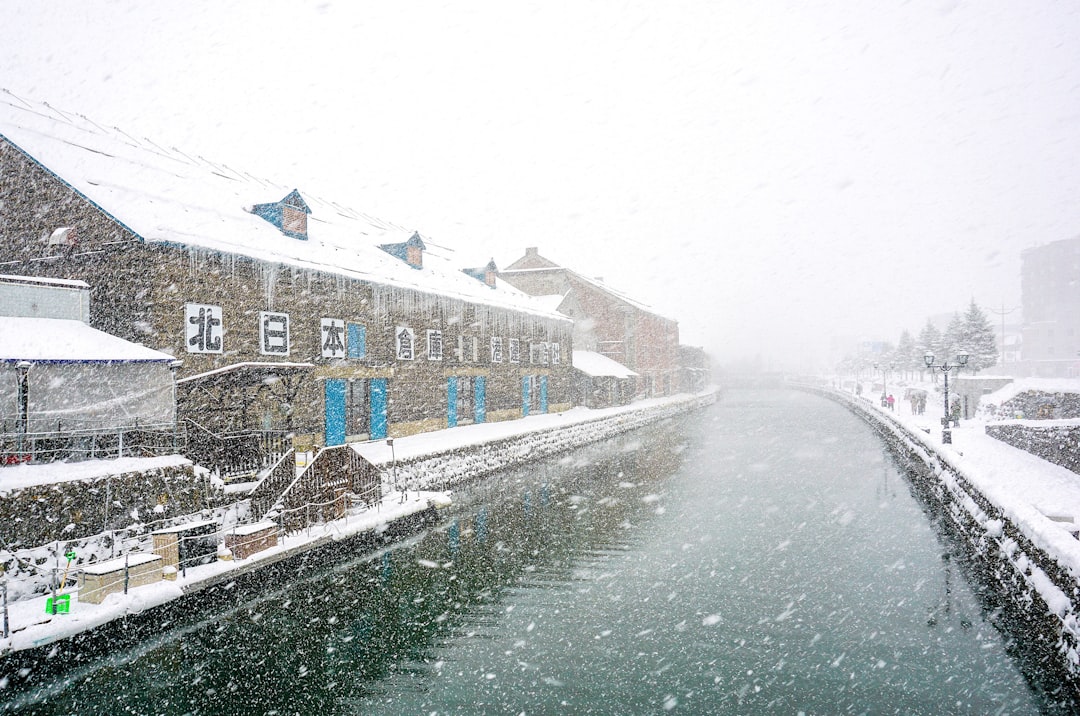

Photo by Yuri Li on Unsplash
Why Hokkaido is Japan’s Ultimate Winter Destination
When the snow begins to fall across Japan’s northernmost island, Hokkaido transforms into one of the most breathtaking winter wonderlands on the planet. With an average snowfall that rivals the world’s top ski resorts, temperatures that create perfect powder conditions, and a cultural richness that goes far beyond the slopes, Hokkaido in winter is an experience that belongs on every traveler’s bucket list. Whether you’re a seasoned skier, a hot spring enthusiast, or simply someone who wants to witness the magic of a Japanese snow festival, this comprehensive Hokkaido winter travel guide has everything you need to plan an unforgettable trip.
When to Visit Hokkaido in Winter
Hokkaido’s winter season typically runs from late November through early April, with peak conditions occurring between December and February. The island receives some of the driest, lightest powder snow in the world, thanks to cold air masses sweeping across from Siberia that pick up moisture over the Sea of Japan before depositing it as fluffy, champagne powder across Hokkaido’s mountains.
- December: Early snowfall begins, resorts open, and crowds are manageable. A great time to visit before the holiday rush.
- January & February: Peak winter season with the deepest snow, the famous Sapporo Snow Festival, and the liveliest atmosphere. Expect higher prices and larger crowds.
- March: Snow conditions remain excellent at higher elevations, prices drop, and the island feels quieter. Ideal for those seeking value.
- April: Late-season skiing is possible in some resorts, and spring blossoms start to appear at lower elevations — a truly unique experience.
Top Destinations in Hokkaido for Winter Travel
Niseko
Niseko is arguably the most famous ski resort area in Asia, and for good reason. Sitting on the slopes of Mount Annupuri, Niseko is renowned for its legendary powder snow, which can accumulate at extraordinary rates during peak season. The resort is divided into four interconnected ski areas — Grand Hirafu, Hanazono, Niseko Village, and Annupuri — collectively offering over 60 ski runs for all ability levels. Beyond skiing and snowboarding, visitors can enjoy night skiing under floodlights, snowshoeing through pristine forests, and warming up in outdoor hot spring baths with views of the iconic Mount Yotei. The resort town itself has a vibrant international atmosphere, with world-class restaurants, lively bars, and a wide range of accommodation from budget hostels to luxury hotels.
Sapporo
Hokkaido’s capital city is a must-visit in winter, even if you never plan to set foot on a ski slope. Sapporo is famous for its annual Snow Festival, held each February, which draws millions of visitors to witness enormous, intricately carved snow and ice sculptures displayed across multiple sites throughout the city. The most famous venue, Odori Park, stretches for nearly 1.5 kilometers and hosts dozens of massive sculptures illuminated at night. Sapporo is also home to excellent ramen, Hokkaido dairy products, fresh seafood, and craft beer — all of which taste especially satisfying after a cold winter day of sightseeing. Day trips from Sapporo to the ski resort of Sapporo Teine or the charming hot spring town of Jozankei are easy to arrange.
Furano and Biei
Located in central Hokkaido, Furano and neighboring Biei are beloved for their stunning winter landscapes. Furano Ski Resort is one of Japan’s best-kept secrets, offering long runs, reliable snow conditions, and far fewer foreign tourists than Niseko — making it perfect for travelers who want an authentic Japanese ski experience. The resort town itself is charming, with excellent local restaurants serving hearty Hokkaido cuisine. Nearby Biei’s rolling hills, draped in white under heavy snowfall, create scenery that looks like it was painted by hand. Photography enthusiasts will find endless subjects in this area’s frozen ponds, snow-laden trees, and dramatic skies.
Noboribetsu
For those who prefer their winter adventures to be of the more relaxing variety, Noboribetsu is Hokkaido’s premier hot spring (onsen) destination. This town sits above a volcanic valley known as Jigokudani (Hell Valley), where steam rises dramatically from the earth year-round. The area is home to dozens of ryokan (traditional Japanese inns) that offer access to a remarkable variety of spring types, including sodium chloride, sulfur, iron, and alum springs — all said to have different health benefits. Soaking in an outdoor rotenburo bath while snowflakes fall gently around you is one of winter travel’s great pleasures, and Noboribetsu does it better than almost anywhere else in Japan.
Asahikawa
Hokkaido’s second-largest city hosts its own spectacular winter festival each February, featuring intricate ice sculptures that rival those of Sapporo’s Snow Festival. Asahikawa is also the gateway to Daisetsuzan National Park, Japan’s largest national park, which offers spectacular winter hiking, snowshoeing trails, and the charming Sounkyo Gorge Ice Festival. The city itself is known for producing some of Hokkaido’s finest ramen, with a rich, soy-based broth style that warms you from the inside out.
Hokkaido Winter Activities
Skiing and Snowboarding
With world-class powder snow and resorts catering to every skill level, Hokkaido is a paradise for winter sports enthusiasts. Beyond the major resorts, smaller local ski hills offer a glimpse into Japanese skiing culture, where families and weekend warriors carve runs alongside international visitors. Equipment rental is widely available at major resorts, and many offer ski schools with English-speaking instructors.
Snow and Ice Festivals
Hokkaido hosts several spectacular winter festivals beyond the famous Sapporo Snow Festival. The Asahikawa Winter Festival, Sounkyo Ice Festival, and Lake Shikotsu Ice Festival are all worth planning your trip around.
Wildlife Watching
Hokkaido’s winter is an incredible time for wildlife encounters. The Kushiro Marshland in eastern Hokkaido is home to the elegant Japanese red-crowned crane, a symbol of good luck in Japanese culture. The Shiretoko Peninsula offers the chance to see sea eagles, Steller’s sea lions, and drift ice on the Sea of Okhotsk from January to March. Ice-breaking boat tours offer a surreal journey through frozen seas.
Snowshoeing and Winter Hiking
Many of Hokkaido’s national parks and rural areas offer guided snowshoeing tours through silent, snow-covered forests. These tours range from gentle beginner walks to more challenging backcountry routes, and are a wonderful way to experience Hokkaido’s natural beauty away from the crowds.
Getting to and Around Hokkaido in Winter
Hokkaido is served by New Chitose Airport near Sapporo, which receives direct flights from Tokyo, Osaka, and several international destinations. Domestic flights from Haneda or Narita airports in Tokyo take approximately 90 minutes. Once in Hokkaido, transportation options include the JR Hokkaido rail network, long-distance buses, and rental cars. Note that driving in Hokkaido in winter requires experience with icy road conditions — always rent a vehicle with winter tires and consider purchasing comprehensive insurance.
What to Pack for a Hokkaido Winter Trip
- Thermal base layers (moisture-wicking materials are essential)
- A waterproof, insulated outer jacket and trousers
- Waterproof boots with good grip for icy streets
- Warm gloves, a hat, and a scarf or balaclava
- Hand warmers (kairo) — available cheaply at every convenience store in Japan
- Sunglasses or ski goggles for snow glare
- Portable battery pack for cold-weather phone use
Hokkaido Winter Food: A Culinary Highlight
Hokkaido’s food scene is one of Japan’s finest, and winter brings a special richness to the local cuisine. Seek out Hokkaido ramen — particularly the miso-based Sapporo style, which is hearty enough to warm you after a full day in the cold. Fresh seafood is outstanding, with snow crab (zuwaigani), sea urchin (uni), and scallops among the seasonal highlights. Hokkaido’s dairy industry produces some of Japan’s best milk, butter, and cheese, which appear in everything from soft-serve ice cream (yes, even in winter) to rich cream-filled pastries and soups. Don’t leave without trying Genghis Khan (Jingisukan), a popular local barbecue dish featuring grilled lamb and vegetables.
Practical Tips for Hokkaido Winter Travel
- Book accommodation early: Peak winter periods — especially during the Snow Festival and New Year — sell out months in advance. Secure your lodging as early as possible.
- Purchase a JR Hokkaido Rail Pass: If you plan to visit multiple cities, a regional rail pass offers excellent value.
- Use IC cards: A Suica or ICOCA card makes paying for trains, buses, and convenience stores effortless.
- Download translation apps: While major tourist areas have English support, rural Hokkaido may require some communication creativity.
- Respect onsen etiquette: Tattoos are prohibited in many onsens. Wash thoroughly before entering the communal baths and keep your towel out of the water.
- Stay weather-aware: Hokkaido blizzards can be severe. Monitor weather forecasts and always follow local safety advice.
Final Thoughts: Hokkaido in Winter is Worth Every Moment
Few destinations in the world can match the combination of natural beauty, cultural richness, culinary excellence, and outdoor adventure that Hokkaido offers in winter. From the legendary powder slopes of Niseko to the steaming onsen of Noboribetsu, from the towering ice sculptures of Sapporo to the wild cranes of Kushiro, Hokkaido in winter is a destination that rewards every type of traveler. Plan thoughtfully, pack warmly, and prepare to fall completely in love with Japan’s extraordinary northern island.