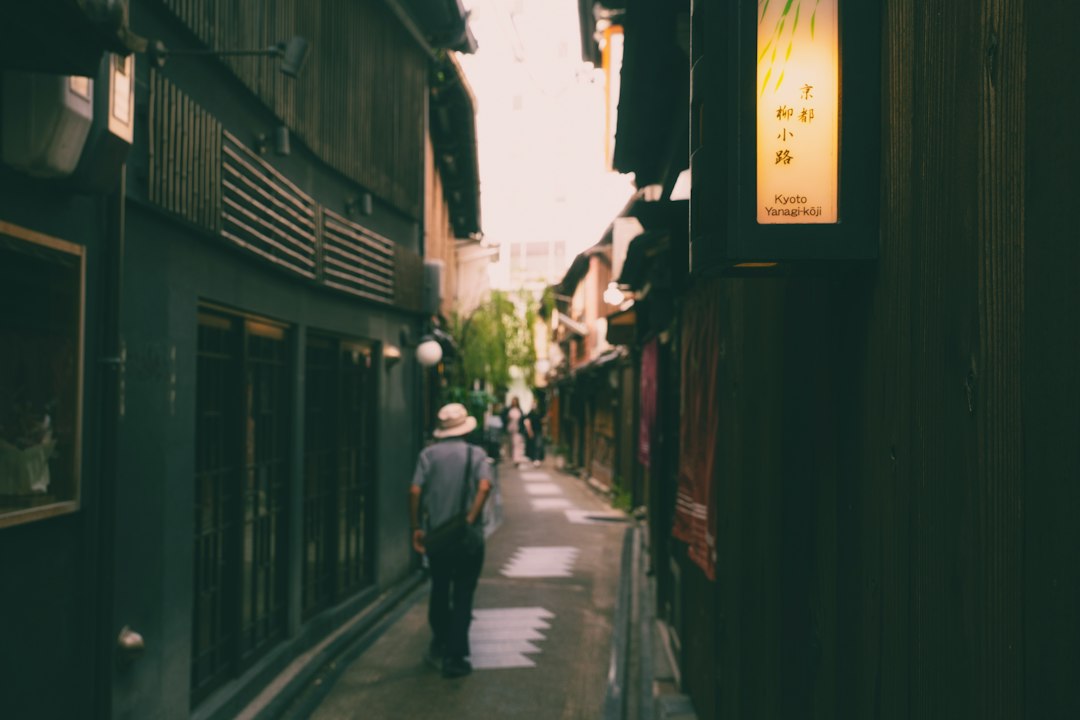
Kyoto’s reputation as Japan’s cultural heart draws millions of visitors every year, and most of them funnel into the same handful of postcard-perfect spots: Kinkaku-ji, Fushimi Inari, and the Arashiyama Bamboo Grove. But beyond these famous landmarks lies a quieter, more authentic Kyoto—one made up of hidden neighborhoods where centuries-old traditions continue undisturbed by tour buses and selfie sticks. If you want to experience the city the way locals do, it’s time to wander off the well-trodden path.
Why Explore Kyoto’s Lesser-Known Neighborhoods?
Kyoto is often called a living museum, but its most touristy districts can feel more like theme parks during peak hours. The city’s hidden neighborhoods offer a completely different rhythm: narrow lanes lined with machiya townhouses, family-run shops that have operated for generations, and a sense of everyday life that has quietly continued for over a thousand years. Exploring these areas also means shorter queues, more meaningful interactions with residents, and photographs without a hundred strangers in the frame.
Nishijin: The Historic Textile District
Tucked northwest of the Imperial Palace, Nishijin has been Kyoto’s weaving heartland for more than 500 years. Known for producing exquisite Nishijin-ori textiles used in kimono and obi, this neighborhood is dotted with traditional workshops where the rhythmic clack of looms still echoes from behind wooden facades.
- Visit the Nishijin Textile Center to see live weaving demonstrations and kimono fashion shows.
- Wander the quiet residential streets to spot machiya houses with distinctive lattice windows called koshi.
- Stop by small family-owned dye shops, many of which welcome curious visitors.
Because Nishijin sits slightly outside the main tourist circuit, you’ll often have entire streets to yourself, making it perfect for slow, contemplative wandering.
Kuramaguchi and Teramachi’s Quiet North End
While the southern stretch of Teramachi Street buzzes with shoppers, its northern extension near Kuramaguchi Station is refreshingly calm. This area blends old temples, secondhand bookstores, and unassuming coffee shops that feel frozen in time. It’s an excellent spot for a leisurely morning walk, especially if you enjoy browsing antique prints or vintage kimono fabric at bargain prices.
Ichijoji: Kyoto’s Ramen and Bookstore Haven
Located in the northeastern part of the city, Ichijoji has quietly become a favorite among Kyoto’s younger residents and creative types. Nicknamed a mini ramen battlefield, this neighborhood packs an impressive concentration of acclaimed ramen shops into just a few blocks. Beyond noodles, Ichijoji is home to Keibunsha, one of Japan’s most beloved independent bookstores, along with vintage clothing boutiques and cozy jazz kissa (listening cafés).
- Try a bowl of rich tonkotsu-shoyu ramen at one of the area’s legendary shops.
- Browse curated art books and zines at Keibunsha.
- Explore nearby Shisen-do Temple for a peaceful, uncrowded garden experience.
Saga-Toriimoto: Old Arashiyama Without the Crowds
Most visitors stop at Arashiyama’s bamboo grove and never venture further. Just a short walk beyond the tourist zone lies Saga-Toriimoto, a preserved street of thatched-roof houses that once served pilgrims heading to nearby Adashino Nenbutsu-ji Temple. Walking here feels like stepping into an Edo-period woodblock print, especially in the early morning light before other travelers arrive.
Shugakuin: Rural Charm at the City’s Edge
Near the base of the Higashiyama mountains, Shugakuin retains a distinctly rural atmosphere despite being within city limits. Rice paddies and vegetable gardens sit alongside traditional homes, and the pace of life slows considerably. The area is best known for Shugakuin Imperial Villa, a stunning strolling garden requiring advance reservation, but the surrounding neighborhood itself—with its irrigation canals and mountain backdrop—is worth exploring for its tranquil, almost countryside feel.
Higashiyama’s Quiet Backstreets
Everyone knows Higashiyama for Kiyomizu-dera and the crowded lanes of Sannenzaka and Ninenzaka. But venture slightly east or north of these main paths, and you’ll find residential alleys where locals hang laundry beside centuries-old stone walls. Areas like Ninenzaka’s side streets toward Kodaiji Temple or the quieter approach to Shoren-in Temple offer the same atmospheric charm minus the crowds.
Fushimi Beyond the Shrine
Fushimi Inari Taisha attracts enormous crowds, but the surrounding Fushimi district is a sake-brewing town with a completely different character. Known as one of Japan’s three great sake-producing regions, Fushimi’s canal-lined streets are home to historic breweries, some dating back centuries.
- Tour the Gekkeikan Okura Sake Museum to learn about traditional brewing methods.
- Stroll along the Horikawa Canal, lined with willow trees and old brewery buildings.
- Sample local sake at small tasting rooms rarely visited by international tourists.
Practical Tips for Exploring Hidden Kyoto
To make the most of these neighborhoods, consider renting a bicycle, which allows you to cover ground efficiently while still enjoying a slower pace than public transport. Early mornings and weekdays tend to be quietest, and many of these areas lack English signage, so a translation app or offline map is helpful. Most importantly, be respectful of residential spaces—these are living neighborhoods, not attractions, and quiet observation is always appreciated over loud photography sessions.
Final Thoughts
Kyoto’s true magic often lies just beyond its most famous sights. By venturing into neighborhoods like Nishijin, Ichijoji, Saga-Toriimoto, Shugakuin, and Fushimi’s brewing district, you’ll discover a side of the city that feels personal, unhurried, and deeply authentic. These hidden corners remind us that Kyoto isn’t just a collection of famous landmarks—it’s a living, breathing city where tradition continues quietly, one narrow street at a time. Next time you visit, skip at least one crowded checkpoint and give yourself permission to simply wander. You might just find your favorite version of Kyoto in a neighborhood you’d never heard of before.
Photo by ayumi kubo on Unsplash