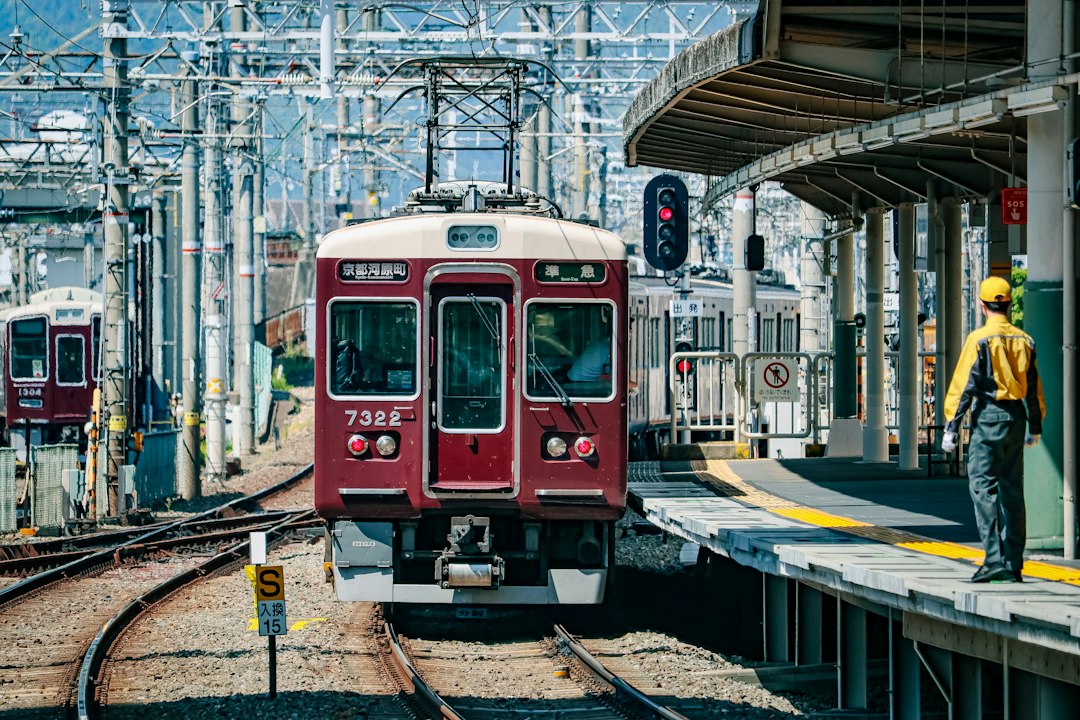
Kyoto’s extensive rail network makes it one of the best bases in Japan for exploring beyond the city limits without ever needing a car. From ancient capitals and dramatic castles to tranquil mountain villages and coastal scenery, there is a huge variety of destinations reachable within an hour or two by train. This guide covers the best day trip spots from Kyoto by train, along with practical tips to help you plan a smooth and memorable excursion.
Why Kyoto Is the Perfect Base for Day Trips
Kyoto sits at the crossroads of several major rail lines, including JR West, Kintetsu, Hankyu, and Keihan, giving travelers easy access to a wide radius of destinations. Kyoto Station itself is a hub for the Tokaido Shinkansen, local JR lines, and subway connections, meaning you can be relaxing in a hot spring town, wandering a feudal castle, or feeding wild deer within an hour of leaving your hotel. Because train schedules in Japan are reliable and frequent, day trips from Kyoto are refreshingly stress-free compared to destinations that require extensive planning around infrequent transport.
Nara: Ancient Capital and Friendly Deer
Nara is arguably the most popular day trip from Kyoto, and for good reason. Just 45 minutes away via the JR Nara Line or Kintetsu Nara Line, Nara was Japan’s first permanent capital and is home to some of the country’s oldest and most significant temples. Todai-ji Temple houses a colossal bronze Buddha statue inside one of the largest wooden buildings in the world, while Kasuga Taisha’s pathways are lined with thousands of stone lanterns. Nara Park, connecting these sites, is famous for its hundreds of free-roaming sika deer that bow for crackers sold by local vendors. Give yourself at least half a day here, though a full day allows time to also visit the quieter Naramachi merchant district.
Osaka: Urban Energy and Street Food
For travelers craving contrast to Kyoto’s traditional atmosphere, Osaka delivers vibrant urban energy just 15 to 30 minutes away by JR Special Rapid Service or Hankyu/Keihan lines. Osaka Castle offers a striking photo opportunity and museum inside its reconstructed keep, while the Dotonbori district is a dazzling stretch of neon signs, canal-side dining, and legendary street food like takoyaki, okonomiyaki, and kushikatsu. Shopping enthusiasts will enjoy Shinsaibashi’s covered arcades. Osaka pairs well with an evening visit, as its nightlife and illuminated streets are part of the appeal.
Himeji: Japan’s Most Beautiful Castle
Himeji Castle, a UNESCO World Heritage Site often called the finest surviving example of Japanese castle architecture, is reachable in about an hour via the Tokaido-Sanyo Shinkansen or a slightly longer ride on local JR lines. Nicknamed the White Heron Castle for its elegant white facade, it remains remarkably well-preserved and offers visitors the chance to explore its maze-like defensive corridors and climb to the top floor for sweeping views of the city. The adjacent Koko-en Garden, with nine distinct traditional garden styles, makes an excellent complement to the castle visit.
Uji: Tea Culture and Byodo-in Temple
Uji, located roughly 20 minutes from Kyoto Station via the JR Nara Line, is the historic heart of Japanese green tea production and a wonderfully compact day trip. The star attraction is Byodo-in Temple, whose Phoenix Hall is depicted on the 10-yen coin and reflects beautifully in its surrounding pond. Uji is also the perfect place to sample authentic matcha in the form of tea ceremonies, matcha soft-serve, and matcha sweets from centuries-old tea shops lining the main street. Because Uji requires only a few hours to explore thoroughly, it can easily be combined with a morning or afternoon in Kyoto.
Amanohashidate: One of Japan’s Three Scenic Views
For a more adventurous day trip, Amanohashidate on the Sea of Japan coast is considered one of Japan’s three most celebrated scenic views. Reaching it takes about two hours by limited express train, making it better suited to travelers who want a full day dedicated to nature and coastal scenery. The site features a narrow, pine-covered sandbar stretching across a bay, best appreciated from a viewpoint where visitors traditionally bend over and view the landscape upside down between their legs, said to make the sandbar resemble a bridge to heaven. A chairlift or cable car ride up to the viewpoints adds to the experience.
Kurama and Kibune: Mountain Retreat
Just 30 minutes north of Kyoto on the Eizan Railway, the twin villages of Kurama and Kibune offer a peaceful escape into forested mountains. Kurama-dera Temple sits along a hiking trail through cedar forest, and many visitors combine a temple visit with a soak in Kurama Onsen’s outdoor bath. On the other side of the mountain, Kibune is known for its riverside dining platforms in summer, where restaurants serve meals directly over a cool mountain stream. This combination of hiking, temple culture, and relaxation makes it ideal for travelers wanting a nature-focused half or full day trip.
Ohara: Rural Temples and Seasonal Colors
Ohara, accessible by a scenic bus ride from Kyoto Station or Kokusaikaikan subway station, is a rural valley dotted with rice paddies and moss-covered temples. Sanzen-in Temple is the highlight, celebrated for its mossy garden populated with small stone statues and its vivid autumn foliage. Ohara offers a slower pace than central Kyoto and is particularly rewarding in spring and autumn, though its tranquil rural charm makes it worthwhile in any season.
Kinosaki Onsen: Hot Spring Escape
Kinosaki Onsen, about two and a half hours from Kyoto via limited express train, is a classic hot spring town built along a willow-lined canal. While it can be visited as a long day trip, many travelers choose to stay overnight in a ryokan to fully enjoy yukata-clad strolls between the town’s seven public bathhouses. If time allows only a day trip, focus on one or two of the most famous baths and enjoy a relaxed lunch featuring the region’s famous seafood.
Tips for Planning Your Day Trip from Kyoto
- Purchase regional rail passes if you plan multiple trips, as they can offer significant savings over individual tickets.
- Start early in the morning to avoid crowds at popular sites like Nara Park and Himeji Castle.
- Check train schedules in advance, especially for limited express services to farther destinations like Amanohashidate or Kinosaki Onsen.
- Carry cash, as some smaller shops and rural stations may not accept credit cards.
- Pack comfortable walking shoes since many day trips involve significant walking between stations and attractions.
- Consider the season: cherry blossoms in spring and foliage in autumn can affect crowd levels and train congestion.
Final Thoughts
One of the greatest advantages of basing yourself in Kyoto is the sheer diversity of day trips available by train, from bustling Osaka to serene mountain villages and dramatic coastal views. Whether you have a spare afternoon or a full day to explore, Kyoto’s rail connections open the door to experiencing far more of the Kansai region than the city alone. Plan ahead, pick destinations that match your interests, and you will discover that some of the most memorable experiences of your Japan trip lie just a short train ride away from Kyoto Station.
Photo by Natural Photos on Unsplash