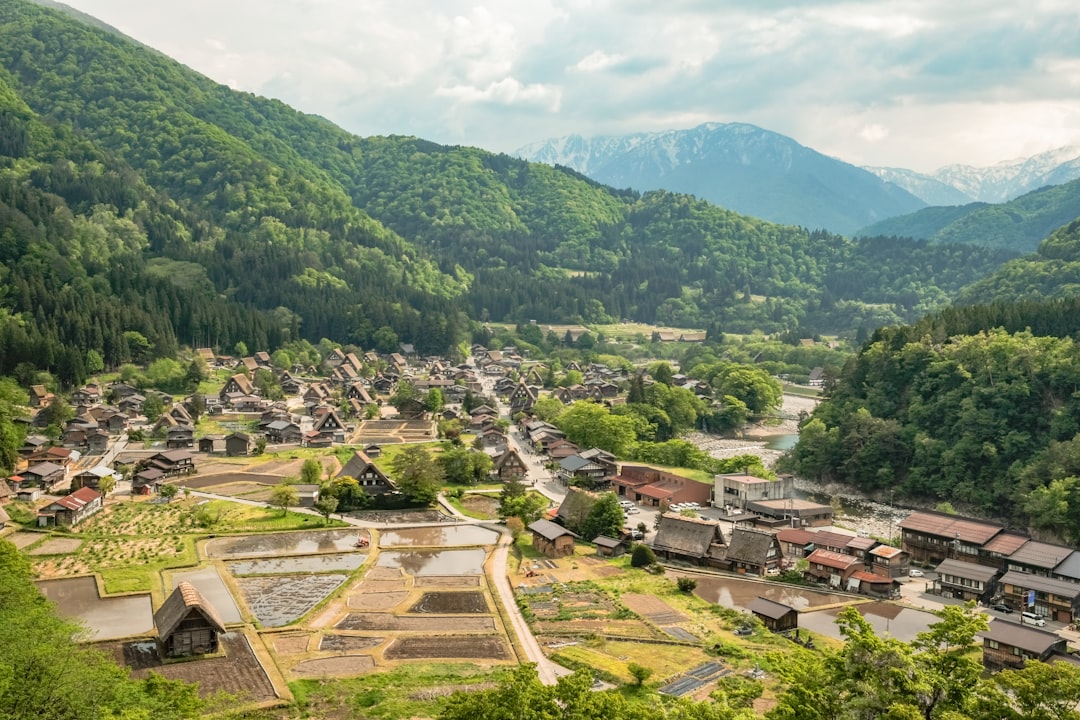
Tucked away from the neon glow of Tokyo and the crowded temples of Kyoto, the island of Shikoku offers something increasingly rare in modern Japan: genuine, unhurried countryside. For travelers seeking rural countryside retreats in Shikoku, this is where terraced rice paddies cling to mountainsides, vine bridges sway over emerald rivers, and centuries-old farmhouses welcome guests with irori hearths and home-cooked meals. Shikoku, the smallest of Japan’s four main islands, is often overlooked by first-time visitors, which is precisely why it remains one of the country’s most rewarding destinations for slow travel.
Why Shikoku’s Countryside Deserves Your Attention
Shikoku is divided into four prefectures—Tokushima, Kagawa, Ehime, and Kochi—each with a distinct rural character. Unlike the well-trodden Golden Route, Shikoku rewards travelers with authentic encounters: elderly innkeepers who remember guests by name, farmers happy to explain their citrus groves, and villages where the rhythm of life still follows the seasons rather than a train timetable. The island is also home to the legendary 88 Temple Pilgrimage (Shikoku Henro), which has shaped a culture of hospitality toward travelers, known as “osettai,” that continues to define rural guesthouses today.
Top Rural Retreats Across Shikoku
Iya Valley, Tokushima
Often called one of Japan’s three hidden regions, the Iya Valley is Shikoku’s most iconic countryside escape. Steep gorges, thatched-roof kominka farmhouses, and the famous vine bridges (kazurabashi) create a landscape that feels lost in time. Many of the valley’s old farmhouses have been lovingly restored into private vacation rentals, allowing guests to sleep beside a wood-burning stove while gazing out at forested peaks. Days here are spent hiking mountain trails, soaking in remote onsen, and sampling soba noodles made from buckwheat grown on the valley’s steep slopes.
Shimanami Kaido Countryside, Ehime
While most visitors know the Shimanami Kaido as a cycling route linking Honshu and Shikoku via a chain of islands, the small towns along the way are quietly becoming a haven for countryside retreats. Guesthouses on islands like Omishima and Ikuchijima sit among citrus orchards, offering cyclists and slow travelers a chance to stay with local families, pick seasonal mikan oranges, and watch the sun set over the Seto Inland Sea from a quiet veranda.
Kochi’s Coastal and Mountain Villages
Kochi Prefecture is Shikoku’s wild card—rugged coastline on one side, dense mountain forest on the other. Inland villages such as those around the Shimanto River, often called Japan’s last clear stream, offer riverside cabins and traditional minshuku where hosts serve river fish and wild mountain vegetables. Along the coast, small fishing hamlets provide simple retreats where the day’s catch becomes dinner within hours, and the pace of life is dictated by the tides.
Uwajima and Southern Ehime
Further south, the terraced citrus hillsides around Uwajima roll dramatically down to the sea. This region is known for its unique bullfighting tradition and its castle town charm, but its true appeal for countryside lovers lies in the farm stays scattered across the hills, where guests can help harvest citrus fruit in season and enjoy panoramic views of the Uwa Sea.
Villages Along the Shikoku Henro Pilgrimage
The 88 Temple Pilgrimage route winds through hundreds of small villages, many of which maintain traditional pilgrim lodges called shukubo or family-run minshuku. Staying in these villages, even without walking the entire pilgrimage, offers insight into a living spiritual tradition and a chance to interact with henro pilgrims and the locals who support them.
Types of Countryside Accommodation to Look For
- Kominka stays: Restored traditional farmhouses, often featuring thatched or tiled roofs, wooden beams, and modernized interiors that retain historic charm.
- Farm stays (noka minshuku): Family-run lodgings where guests can participate in agricultural work such as rice planting, tea picking, or citrus harvesting.
- Onsen ryokan: Countryside hot spring inns, frequently found near mountain valleys, offering multi-course kaiseki dinners and mineral-rich baths.
- Riverside cabins: Simple, nature-focused lodgings near rivers like the Shimanto, popular for fishing and canoeing enthusiasts.
- Pilgrim lodges (shukubo): Temple-affiliated accommodations offering a glimpse into Buddhist practice and communal pilgrim meals.
Experiencing Shikoku’s Countryside Through the Seasons
One of the great strengths of rural Shikoku is that it offers something worthwhile in every season, making it a genuinely evergreen destination. Spring brings blooming plum and cherry blossoms to mountain villages, along with the start of the planting season in the rice paddies. Summer is ideal for river activities along the Shimanato and Yoshino Rivers, as well as cooler retreats in the shaded valleys of Iya. Autumn transforms the mountains into a tapestry of red and gold foliage, particularly spectacular when viewed from a traditional farmhouse veranda. Winter, meanwhile, offers quiet hot spring soaks, hearty hotpot dinners, and the chance to see snow dusting the thatched roofs of remote hamlets.
Practical Tips for Planning Your Retreat
- Rent a car: Shikoku’s countryside is best explored independently, as bus routes to remote villages are limited and infrequent.
- Book accommodations in advance: Many rural lodgings have only a handful of rooms and are run by a single family, so reservations should be made well ahead of travel.
- Learn a few Japanese phrases: English is less commonly spoken in rural areas, but hosts are typically warm and patient with visitors who make an effort.
- Pack for the outdoors: Sturdy shoes are useful for hiking valley trails, visiting vine bridges, or exploring pilgrimage paths.
- Bring cash: Smaller guesthouses and rural restaurants may not accept credit cards.
The Slow Travel Philosophy of Rural Shikoku
What sets Shikoku’s countryside retreats apart is not simply their scenery but the philosophy behind them. Many hosts embrace a slow, sustainable approach to hospitality, growing their own vegetables, foraging seasonal ingredients, and preserving traditional building techniques rather than pursuing large-scale development. Choosing to stay in these rural communities directly supports the preservation of Japan’s agricultural heritage and helps sustain villages that might otherwise face depopulation.
Final Thoughts
For travelers weary of crowded itineraries and eager for a deeper connection with Japan, rural countryside retreats in Shikoku offer an unmatched blend of natural beauty, cultural authenticity, and genuine warmth. Whether you’re crossing a vine bridge in Iya Valley, harvesting citrus in Uwajima, or sharing a fireside meal with a farming family in Kochi, Shikoku’s countryside invites you to slow down and experience Japan as it has existed for generations. Plan your visit with flexibility, embrace the unhurried pace, and let Shikoku’s rural heartland reveal its quiet magic.
Photo by Rap Dela Rea on Unsplash