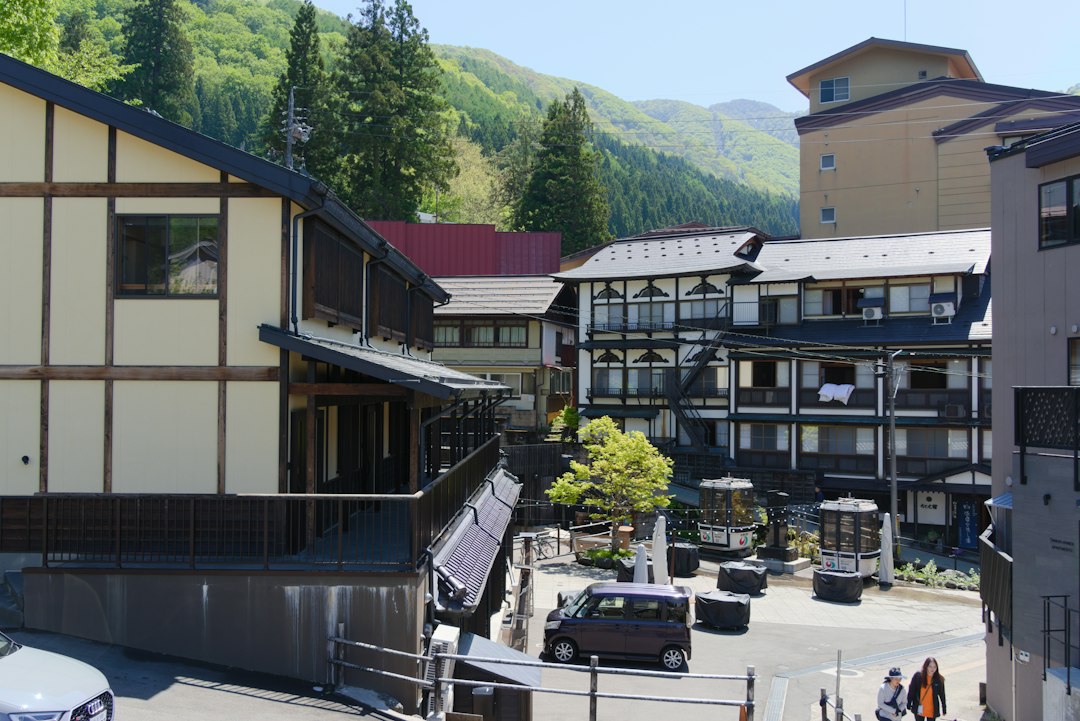
Escape to the Quiet Onsen Villages of Tohoku
While Hakone and Kusatsu draw crowds from Tokyo, the Tohoku region in northern Honshu remains one of Japan’s last frontiers for genuinely secluded hot spring experiences. Blanketed in snow for much of the year and surrounded by dense beech forests, volcanic peaks, and remote mountain valleys, Tohoku’s onsen towns offer something increasingly rare: silence, steam, and the sense that you’ve stepped decades back in time. This guide explores the most secluded hot spring towns across Tohoku’s six prefectures, perfect for travelers seeking authentic ryokan culture without the tourist bus traffic.
Why Tohoku Is Japan’s Onsen Wonderland
Tohoku sits atop a chain of active and dormant volcanoes, which means mineral-rich water bubbles up from the earth in hundreds of locations across Akita, Aomori, Iwate, Miyagi, Yamagata, and Fukushima prefectures. Unlike the well-trodden hot spring resorts near major cities, many Tohoku onsen towns are tucked deep in valleys accessible only by narrow mountain roads or seasonal buses. This isolation has preserved a slower, more traditional style of hospitality, where wooden ryokan, irori hearths, and rotenburo (outdoor baths) surrounded by untouched nature are the norm rather than the exception.
Nyuto Onsenkyo, Akita Prefecture
Perhaps the most famous of Tohoku’s secluded onsen clusters, Nyuto Onsenkyo sits deep within Towada-Hachimantai National Park. The name translates to “Nipple Hot Spring,” a reference to the shape of nearby Mount Nyuto. Seven traditional ryokan are scattered along a forest trail, each drawing from different mineral springs with distinct colors and properties, from milky white to clear blue-green. Tsurunoyu Onsen, the oldest of the group, dates back centuries and retains its thatched-roof buildings and open-air mixed baths surrounded by birch trees. In winter, snow piles high against the wooden walls while steam rises from the baths, creating one of the most photographed onsen scenes in Japan. Reaching Nyuto requires a bus transfer from Tazawako Station, which naturally limits visitor numbers and preserves the tranquil atmosphere.
Ginzan Onsen, Yamagata Prefecture
Ginzan Onsen has grown more popular in recent years thanks to its resemblance to the setting of a beloved animated film, yet it remains delightfully small and car-free. Gas lamps line a narrow river gorge flanked by three and four-story wooden ryokan built in the early twentieth century. Visiting in the early morning or staying overnight allows travelers to experience the town without day-trip crowds, especially when snow falls and the lamps are lit at dusk. The nearby Shirogane Falls and the retro Ginzan train that connects the town to Oishida Station add to its old-world charm.
Zao Onsen, Yamagata Prefecture
Famous for its strongly acidic sulfur waters, Zao Onsen is one of the oldest hot springs in Japan, with a history stretching back roughly 1900 years. While the ski resort brings winter visitors, the actual onsen town retains a rustic, low-key feel with public bathhouses like Shinzaburo-yu offering unfiltered, undiluted spring water straight from the source. The nearby Zao Okama crater lake and the region’s famous “snow monsters,” ice-covered trees formed by freezing fog, make this an evocative destination outside peak ski season as well.
Sukayu Onsen, Aomori Prefecture
Deep within the Hakkoda Mountains, Sukayu Onsen is renowned for its enormous mixed-gender wooden bathhouse, Sennin Buro, capable of holding hundreds of bathers at once. The milky sulfur water is famous throughout Japan for its supposed efficacy against multiple ailments, hence its nickname as a spring that cures “a thousand ailments.” Surrounded by beech forest and accessible mainly by a single mountain road, Sukayu feels wonderfully remote, especially in the shoulder seasons of spring and autumn when the surrounding forest bursts into color.
Osorezan, Aomori Prefecture
For travelers seeking something more otherworldly, the hot spring near Osorezan, often translated as “Fear Mountain,” sits within a volcanic caldera considered one of Japan’s three most sacred sites. Sulfurous steam vents, pale volcanic rock, and a lake the color of turquoise create a landscape unlike anywhere else in the country. A simple bathhouse near the temple grounds allows visitors to soak while contemplating the eerie, almost otherworldly surroundings, a stark contrast to the lush greenery found at most other Tohoku onsen towns.
Naruko Onsen, Miyagi Prefecture
Naruko Onsen is technically a small town rather than a single ryokan cluster, but it retains a wonderfully unhurried pace compared to nearby Sendai. Known for its distinctive kokeshi wooden dolls, Naruko offers nine different types of hot spring water within a compact area, along with dramatic gorges like Naruko Gorge that are especially stunning during the autumn foliage season. Free foot baths scattered throughout town make it easy to sample the waters even without booking a full ryokan stay.
Tsuchiyu Onsen, Fukushima Prefecture
Tsuchiyu Onsen, nestled in the mountains outside Fukushima City, has reinvented itself as a hub for small-scale hydroelectric power generated by its own hot spring flow, while still retaining the intimate feel of a traditional onsen village. Quiet ryokan line a narrow river, and the town’s kokeshi doll craft tradition adds a distinctly local flavor to any visit.
Tips for Visiting Secluded Tohoku Onsen Towns
- Many remote ryokan require reservations well in advance, particularly for coveted rooms with private outdoor baths.
- Public transportation to these towns is often limited to a few buses per day, so check schedules carefully or consider renting a car for maximum flexibility.
- Winter travel requires snow tires or careful route planning, as mountain roads can close temporarily after heavy snowfall.
- Bring cash, as smaller ryokan and public bathhouses in rural areas frequently do not accept credit cards.
- Respect onsen etiquette by washing thoroughly before entering the bath and avoiding swimwear unless the facility specifically allows it.
- Consider visiting during shoulder seasons like late spring or early autumn to enjoy comfortable temperatures alongside fewer visitors.
Best Time to Visit
Each season transforms these hot spring towns in a different way. Winter brings deep snow and dramatic steam, ideal for the classic rotenburo photograph. Spring reveals melting snow and fresh greenery in the surrounding forests. Summer offers cooler mountain temperatures compared to Japan’s humid lowlands, making it a pleasant escape. Autumn foliage season, typically peaking in the mountainous areas before the lowlands, paints the valleys in red and gold, pairing beautifully with a soak in mineral-rich water. Because these destinations are evergreen in appeal, there is truly no wrong time to visit, only different flavors of the same tranquil experience.
Final Thoughts
Tohoku’s secluded hot spring towns reward travelers willing to venture beyond Japan’s major cities and popular onsen resorts. Whether soaking in centuries-old wooden bathhouses at Nyuto Onsenkyo, wandering the lamplit streets of Ginzan Onsen, or contemplating the volcanic landscape of Osorezan, visitors will find a side of Japan defined by quiet ritual, natural beauty, and genuine hospitality. For those seeking an authentic, uncrowded onsen experience, Tohoku remains one of the country’s most rewarding regions to explore.
Photo by waa towaw on Unsplash