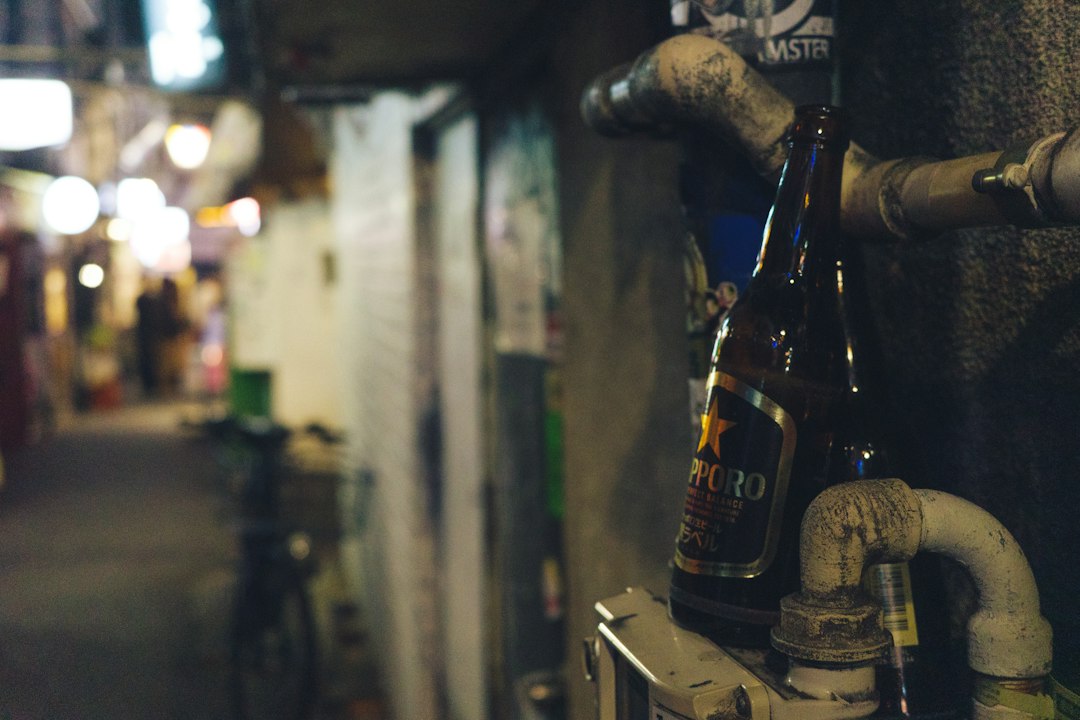
What Is Shinjuku Golden Gai?
Tucked behind the neon chaos of Shinjuku’s Kabukicho district lies a maze of six narrow alleys packed with more than 200 tiny izakaya, bars, and snack joints. This is Shinjuku Golden Gai, a slice of postwar Tokyo that has somehow survived decades of redevelopment. Most bars here seat fewer than ten people, and many are so small that opening the door means squeezing past the bartender to reach your stool. Despite its miniature scale, Golden Gai offers one of the most atmospheric drinking experiences in Japan, and understanding how to navigate it will transform your night out from confusing to unforgettable.
A Brief History of the Alleys
Golden Gai traces its roots back to the black markets that sprang up around Shinjuku Station after World War II. As the area was redeveloped, small drinking establishments and brothels clustered into this compact grid of alleys. Over time the red-light element faded, and the area evolved into a bohemian hangout for writers, filmmakers, musicians, and artists who valued its intimate, conversation-driven atmosphere. Many bars still display photos of famous patrons, and some owners have run the same tiny counter for generations. Unlike much of modern Tokyo, Golden Gai has resisted glossy renovation, retaining its low wooden buildings, hand-painted signs, and narrow footpaths barely wide enough for two people to pass.
Why Golden Gai Feels Different From Other Tokyo Nightlife Spots
Most visitors expect Tokyo nightlife to mean towering hostess clubs or crowded chain izakaya. Golden Gai is the opposite: intimate, quirky, and personality-driven. Each bar has its own theme, playlist, and regular clientele, and the owner (known as the “mama” or “master”) often shapes the entire experience. You might find a bar dedicated entirely to 1980s rock, another that only plays vinyl jazz, or one covered floor to ceiling in vintage movie posters. Because seating is so limited, conversation with strangers is almost inevitable, making it a favorite spot for travelers who want genuine interaction rather than a purely transactional night out.
How to Navigate the Alleys Like a Local
Best Time to Visit
Golden Gai comes alive after sunset, with most bars opening around 8 or 9 p.m. and staying busy until the early hours. Arriving early, around 7 p.m., lets you scope out the alleys while they’re quieter and decide which bars look inviting before the crowds thicken. Weeknights tend to be calmer and more conducive to conversation, while weekends bring a livelier, more crowded energy.
Understanding Seating Charges
Almost every bar in Golden Gai charges a seating fee, typically between 500 and 1,500 yen per person, in addition to your drinks and any small snacks provided. This is standard practice, not a scam, and it helps small operators cover the immense rent-to-space ratio in this famously tiny district. Look for signs posted near the entrance stating the seating charge before you sit down, and don’t hesitate to ask staff if pricing isn’t clear.
Reading the Signals for Tourist-Friendly Bars
Not every bar in Golden Gai welcomes non-Japanese-speaking visitors, and that’s perfectly fine; some are intentionally private community spots for regulars. Look for bars with English signage, picture menus, or a small “Welcome” sticker near the door, which usually signal an openness to international guests. Many bars have also adapted over time and now display multilingual price lists. If a door is closed but the lights are on and voices are audible inside, it’s usually acceptable to slide it open and ask, in simple Japanese or English, whether there’s room.
Cash Is King
Most Golden Gai bars are cash-only, and it’s rare to find a bar that accepts credit cards or mobile payment. There are convenience stores with ATMs near the entrance of the Golden Gai area, so it’s worth stocking up on yen before diving into the alleys.
Types of Bars You’ll Discover
- Theme bars dedicated to genres like punk rock, anime, or classic cinema, often decorated with memorabilia collected over decades.
- Whisky and cocktail counters run by a single skilled bartender who takes pride in crafting drinks for a handful of regulars each night.
- Snack bars where the mama chats with guests while serving simple dishes like edamame, pickles, or yakitori alongside beer and shochu.
- Literary and artist hangouts historically favored by writers and filmmakers, some still displaying signed books or film posters from patrons.
- Music-focused bars spinning vinyl records ranging from 1960s jazz to obscure city pop, ideal for those who want a soundtrack with their drink.
Etiquette Tips for a Smooth Night
- Keep your voice moderate; sound travels easily in such small spaces.
- Order at least one drink per person, as sitting without ordering is considered impolite.
- Avoid bringing large groups into the tiniest bars, since many seat only four to six people total.
- Don’t take photos of other patrons or bar interiors without asking first, as many regulars value their privacy.
- Be mindful of time limits during busy periods, as some bars politely ask groups to keep visits to around an hour when it’s crowded.
Beyond Golden Gai: Nearby Alleys Worth Exploring
If Golden Gai feels overwhelming or fully booked, Shinjuku offers other atmospheric alley networks nearby. Omoide Yokocho, sometimes nicknamed “Piss Alley” for its gritty postwar origins, sits just a short walk away near Shinjuku Station’s west exit and specializes in smoky yakitori stalls rather than themed bars. It’s a great complementary stop for a pre-Golden Gai dinner of grilled skewers and cold beer before heading into the alleys for a more intimate drinking experience later in the night.
Sample One-Night Itinerary
Start your evening around 6:30 p.m. with yakitori and beer in Omoide Yokocho, soaking in the smoky, old-Tokyo atmosphere. Around 8 p.m., head toward Golden Gai and spend some time simply walking through the alleys, peeking at signage and menus to get a feel for different bars. Choose a welcoming theme bar for your first stop, order a drink, and chat with the bartender about recommendations for a second spot. After an hour, move to a quieter counter bar for whisky or a cocktail, letting the night wind down with good music and conversation. This slow, alley-hopping rhythm is exactly how Golden Gai is meant to be experienced.
Final Thoughts
Shinjuku Golden Gai isn’t about flashy nightlife spectacle; it’s about discovering tiny, personality-filled spaces that have quietly preserved a slice of old Tokyo drinking culture. Go in with curiosity, respect the seating charges and etiquette, and let yourself get pleasantly lost in the alleys. Whether you end up debating film history with a mama who’s run her bar for thirty years or simply enjoying a quiet whisky while vinyl jazz plays in the background, Golden Gai rewards travelers who approach it with patience and an open mind.
Photo by Red Shuheart on Unsplash