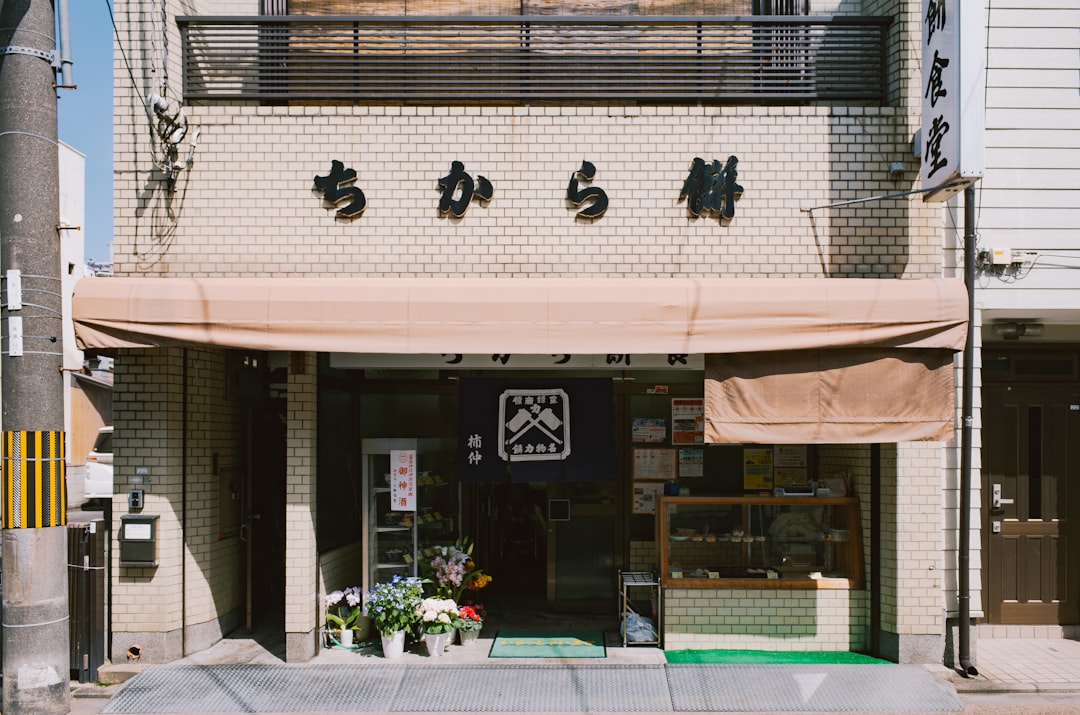
Stepping Back in Time: What Is a Kanmi Dokoro?
Long before parfait cafes and matcha soft-serve stands lined the streets of Tokyo, there were kanmi dokoro (甘味処) — traditional Japanese sweet shops that have quietly served locals for generations. The word “kanmi” means sweetness, and “dokoro” means place, so a kanmi dokoro is literally a “place for sweetness.” These are not flashy dessert boutiques chasing the latest food trend. Instead, they are humble, often family-run establishments where the same anmitsu, oshiruko, and kuzumochi recipes have been served for decades, sometimes over a century.
Walking into an old-fashioned kanmi dokoro feels like stepping into a different era of Tokyo. Wooden counters worn smooth by generations of elbows, hand-painted menus, elderly shopkeepers who remember your order after just one visit, and the gentle clink of glass bowls filled with shaved ice or sweet bean paste — this is the atmosphere that makes kanmi dokoro culture so beloved among both nostalgic locals and curious travelers seeking an authentic slice of Japanese life.
The History Behind Kanmi Dokoro Culture
Kanmi dokoro trace their roots back to the Edo period, when sugar was a luxury and sweet shops began appearing near temples, shrines, and busy merchant districts to serve worshippers and travelers. Many of today’s most cherished kanmi dokoro started as simple stalls selling dango (sweet rice dumplings) or mitsumame (a fruit and agar jelly dessert) to pilgrims resting after a long temple visit.
As Japan modernized through the Meiji and Taisho eras, kanmi dokoro evolved alongside the country, incorporating ingredients like azuki beans, agar, and matcha into an expanding repertoire of desserts. Yet even as Western-style cafes and patisseries spread across the city, these traditional sweet shops held their ground, preserving recipes, techniques, and an unhurried atmosphere that feels increasingly rare in a fast-paced metropolis.
Classic Sweets You’ll Find at a Kanmi Dokoro
Unlike modern dessert cafes with ever-changing seasonal menus, kanmi dokoro pride themselves on consistency. The following treats form the backbone of nearly every traditional menu:
- Anmitsu — A bowl of agar jelly cubes, sweet azuki bean paste, seasonal fruit, and a drizzle of black sugar syrup (kuromitsu). Often considered the quintessential kanmi dokoro dessert.
- Oshiruko / Zenzai — Warm sweet red bean soup served with soft mochi, perfect for cold weather visits.
- Kakigori — Delicate shaved ice topped with fruit syrups, condensed milk, or matcha, traditionally enjoyed in the summer months.
- Dango — Skewered rice dumplings glazed with sweet soy sauce (mitarashi) or coated in red bean paste.
- Kuzumochi — A jiggly, translucent starch cake usually dusted with kinako (roasted soybean flour) and topped with kuromitsu syrup.
- Zenzai with Mochi — A close cousin to oshiruko, often slightly thicker and chunkier in texture.
What makes these desserts special isn’t complexity — it’s restraint. A good kanmi dokoro relies on high-quality azuki beans, carefully sourced agar, and time-honored preparation methods rather than elaborate presentation.
Where to Find the Best Old-Fashioned Kanmi Dokoro in Tokyo
Asakusa
As one of Tokyo’s most historic districts, Asakusa is a treasure trove of kanmi dokoro. Many shops here have served visitors to Senso-ji Temple for generations, offering warm oshiruko in winter and refreshing kakigori in summer. The narrow streets around Nakamise-dori and the quieter alleys just beyond it hide some of the city’s most authentic sweet shops, often unmarked except for a simple noren curtain.
Yanaka
Yanaka’s old Tokyo charm extends to its sweet shops as well. This neighborhood, largely untouched by the bombings of World War II, retains a retro atmosphere that pairs perfectly with a leisurely afternoon spent sampling dango and anmitsu at a decades-old counter.
Ningyocho
Once a bustling merchant town, Ningyocho is home to several kanmi dokoro that have operated continuously for over a century. This area is particularly known for its traditional dorayaki and ningyo-yaki, small character-shaped cakes filled with sweet bean paste.
Ueno
Near Ueno Park, several kanmi dokoro cater to museum-goers and park visitors looking for a sweet respite. These shops often feature simple, no-frills interiors with tatami seating, harking back to a more traditional style of Japanese hospitality.
What to Expect When Visiting
Old-fashioned kanmi dokoro operate differently from modern cafes, and a little cultural knowledge goes a long way:
- Cash is king — Many of these shops, especially the smallest and oldest ones, do not accept credit cards.
- Limited seating — Expect small counters or a handful of tables; these are intimate spaces, not large cafes.
- Simple, focused menus — Rather than dozens of options, most kanmi dokoro specialize in a handful of classic sweets done exceptionally well.
- Quiet, unhurried pace — These shops are meant for lingering, not rushing. Take your time and savor the atmosphere as much as the food.
- Seasonal specialties — While the core menu remains the same year-round, seasonal fruit toppings or limited kakigori flavors may appear during certain months.
Why Kanmi Dokoro Are Worth Seeking Out
In a city known for its neon-lit convenience and cutting-edge dessert trends, old-fashioned kanmi dokoro offer something increasingly precious: continuity. These are places where recipes have been passed down through generations, where the shopkeeper might be the third or fourth family member to run the counter, and where the pace of life slows just enough to appreciate a bowl of anmitsu made with genuine care.
For travelers interested in experiencing a side of Tokyo beyond the bright lights of Shibuya or the crowds of Harajuku, seeking out a kanmi dokoro offers a quiet, meaningful glimpse into everyday Japanese culture. It’s a chance to sit where generations of Tokyoites have sat before you, enjoying the same simple pleasures.
Tips for a Memorable Kanmi Dokoro Experience
- Visit in the late afternoon, a traditional time for a sweet snack break known as “oyatsu” in Japanese culture.
- Pair your sweets with a cup of hot green tea or roasted hojicha, which is often served alongside desserts to balance the sweetness.
- Don’t be afraid to point at the menu or ask simple questions — many shopkeepers are happy to explain their offerings even with limited English.
- Explore neighborhoods on foot rather than seeking out specific shops online; some of the best kanmi dokoro are discovered by chance while wandering historic streets.
- Respect the quiet atmosphere — these are contemplative spaces, not loud cafes.
Final Thoughts
Old-fashioned kanmi dokoro sweet shops represent a beautiful, understated corner of Tokyo’s culinary landscape. They remind us that not every dessert experience needs to be Instagram-worthy or trend-driven to be memorable. Sometimes, the simplest bowl of chilled anmitsu, served in a decades-old shop by someone who has perfected the recipe over a lifetime, offers the most authentic taste of Japan you’ll ever experience. Next time you’re wandering through Asakusa, Yanaka, or Ningyocho, step off the main street, follow the faded noren curtain, and treat yourself to a sweet slice of old Tokyo.
Photo by PJH on Unsplash