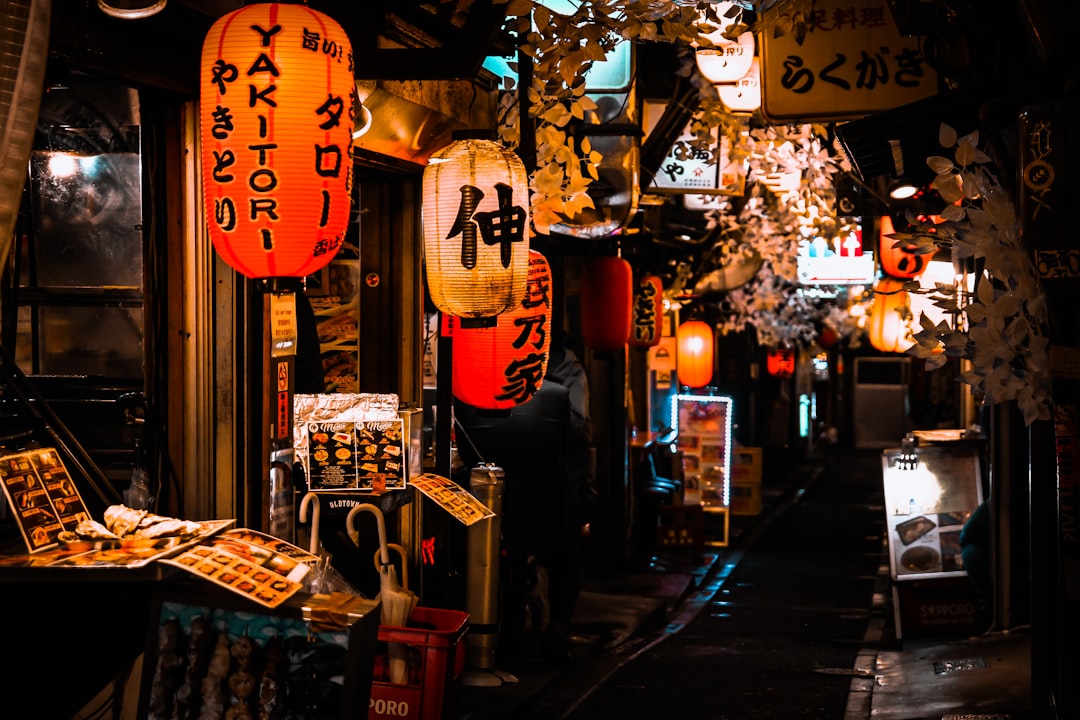

Photo by Pema G. Lama on Unsplash
What Is Golden Gai?
Tucked away in a corner of Shinjuku, just a few minutes’ walk from the chaos of Kabukicho, lies one of Tokyo’s most atmospheric and photogenic drinking districts: Golden Gai. This maze of six narrow alleys packs in over 200 tiny bars, many of which seat no more than five or six customers at a time. Golden Gai survived the post-war black market era and multiple redevelopment attempts, and today it stands as a living museum of old-school Tokyo nightlife, wrapped in neon signs, wooden facades, and decades of history.
Unlike the glossy hostess clubs and karaoke towers of nearby Kabukicho, Golden Gai offers something rawer and more intimate. Each bar has its own theme, personality, and often a fiercely loyal regular clientele. For travelers seeking an authentic slice of Shinjuku nightlife away from tourist traps, this is the place to be.
A Brief History of Golden Gai
Golden Gai’s roots trace back to the black markets that sprang up around Shinjuku Station after World War II. As the area was redeveloped, many small stalls and eateries were relocated to this cluster of alleys, eventually evolving into the tiny bars we see today. During the 1960s and 70s, Golden Gai became a haunt for writers, artists, filmmakers, and intellectuals who gathered to drink, debate, and create. That bohemian spirit still lingers in many of the bars, some of which display vintage photographs, old film posters, and memorabilia from that golden era.
Despite pressure from developers over the decades, the district has largely preserved its original layout and charm, making it one of the few places in Tokyo where you can still feel the texture of Showa-era nightlife.
Getting to Golden Gai
Golden Gai is remarkably easy to reach. It sits just northeast of Shinjuku Station’s east exit, within walking distance of Kabukicho. Simply head toward the Hanazono Shrine area, and you will spot the low wooden buildings and glowing signs that mark the entrance to the alleys. The whole district can be explored on foot in a matter of minutes, though you could easily spend an entire night hopping between bars without seeing it all.
Understanding the Golden Gai Bar Culture
Before diving into specific bars, it helps to understand a few unwritten rules of Golden Gai etiquette, since the customs here differ from typical bars elsewhere.
Seating Charges and Table Fees
Most bars charge a seating fee, sometimes called a ‘table charge’ or ‘cover charge,’ typically ranging from 500 to 2,000 yen per person. This is standard practice and not a scam, though it can catch first-timers off guard. The fee usually includes a small snack or otsumami. Always check for a sign posted outside or ask before sitting down if you are unsure.
Cash Is King
Many of these tiny establishments are cash-only. ATMs are available nearby, but it is wise to carry enough yen before you start bar-hopping, since running out of cash mid-evening in Golden Gai can be inconvenient.
English-Friendly vs. Locals-Only Bars
Some bars proudly welcome tourists and have English-speaking staff or English menus, often signaled by signs at the entrance. Others are strictly for regulars and may not be receptive to walk-in foreign visitors. Look for posted signs indicating whether newcomers are welcome, and if a bar feels closed off or the door is firmly shut with no indication of availability, it is best to try elsewhere.
Respect the Space
Given how small these bars are, loud behavior, large groups, or disruptive conduct are frowned upon. Golden Gai thrives on conversation and atmosphere, not rowdy partying. Treat each bar like someone’s living room, because in many ways, it is.
Must-Visit Bars in Golden Gai
Albatross
One of the most famous and tourist-friendly bars in the district, Albatross is known for its eclectic chandelier decor, colorful interior, and welcoming atmosphere. It spans two floors and is a great starting point for first-timers.
La Jetee
A cinephile’s dream, this bar is decorated with film memorabilia and was once frequented by renowned Japanese directors. It has a moody, artistic ambiance perfect for quiet conversation.
Bar Plastic Model
A quirky spot filled with toys, gundam models, and pop culture references, this bar is popular among younger patrons and those who enjoy a playful, nostalgic vibe.
Death Match in Hell
With a heavy metal and horror movie theme, this bar is a favorite among rock and metal fans looking for a darker, edgier atmosphere within Golden Gai.
Champion
Known for karaoke and a lively crowd, Champion is a great choice if you want to sing your heart out in an intimate setting.
These are just a handful of the many distinctive bars scattered throughout the alleys. Part of the fun of Golden Gai is simply wandering, peeking at menus and themes, and following your curiosity into whichever door catches your eye.
Best Time to Visit Golden Gai
Golden Gai comes alive after dark, with most bars opening around 8 p.m. and staying busy until the early hours of the morning. Weeknights tend to be quieter and more relaxed, ideal for conversation with bartenders and regulars, while weekends bring bigger crowds and a more festive energy. Visiting earlier in the evening, around 7 or 8 p.m., gives you a better chance of finding open seats before the tiny bars fill up.
Tips for a Great Golden Gai Night Out
- Bring cash in small denominations, as many bars do not accept cards.
- Start early to secure seats, since most bars fit only a handful of people.
- Be respectful of house rules, seating charges, and photography restrictions inside bars.
- Try bar-hopping rather than committing to one spot all night, as each bar offers a completely different vibe.
- Strike up conversations with bartenders and fellow patrons, since many locals enjoy chatting with visitors in this friendly, communal setting.
- Do not be afraid to ask staff outside a bar whether it is tourist-friendly before entering.
Golden Gai vs. Omoide Yokocho
Visitors often compare Golden Gai to Omoide Yokocho, another historic alley near Shinjuku Station known for yakitori skewers and izakaya-style eating rather than bar hopping. While Omoide Yokocho focuses more on food paired with drinks, Golden Gai is primarily about the drinking experience itself, with each bar offering a unique theme and personality rather than a menu of dishes. Many nightlife enthusiasts combine both areas in a single evening, starting with yakitori and drinks at Omoide Yokocho before moving on to bar-hopping in Golden Gai.
Is Golden Gai Worth Visiting?
Absolutely. Even if you do not plan on drinking heavily, simply strolling through the narrow lantern-lit alleys of Golden Gai in the evening is an experience in itself. The atmosphere feels like stepping back into a different era of Tokyo, offering a stark contrast to the neon skyscrapers and bustling crowds just a few blocks away. Whether you are a solo traveler looking to chat with locals, a couple seeking a romantic and unusual date spot, or a group of friends wanting to explore Tokyo’s underground drinking culture, Golden Gai has something to offer.
Final Thoughts
Golden Gai remains one of the most authentic and atmospheric nightlife destinations in Tokyo. Its narrow alleys, tiny bars, and rich history make it an unforgettable stop for any traveler wanting to experience Shinjuku’s nightlife beyond the neon lights of Kabukicho. Approach it with curiosity, respect the local customs, bring enough cash, and you will likely find yourself returning night after night, discovering a new favorite bar each time.