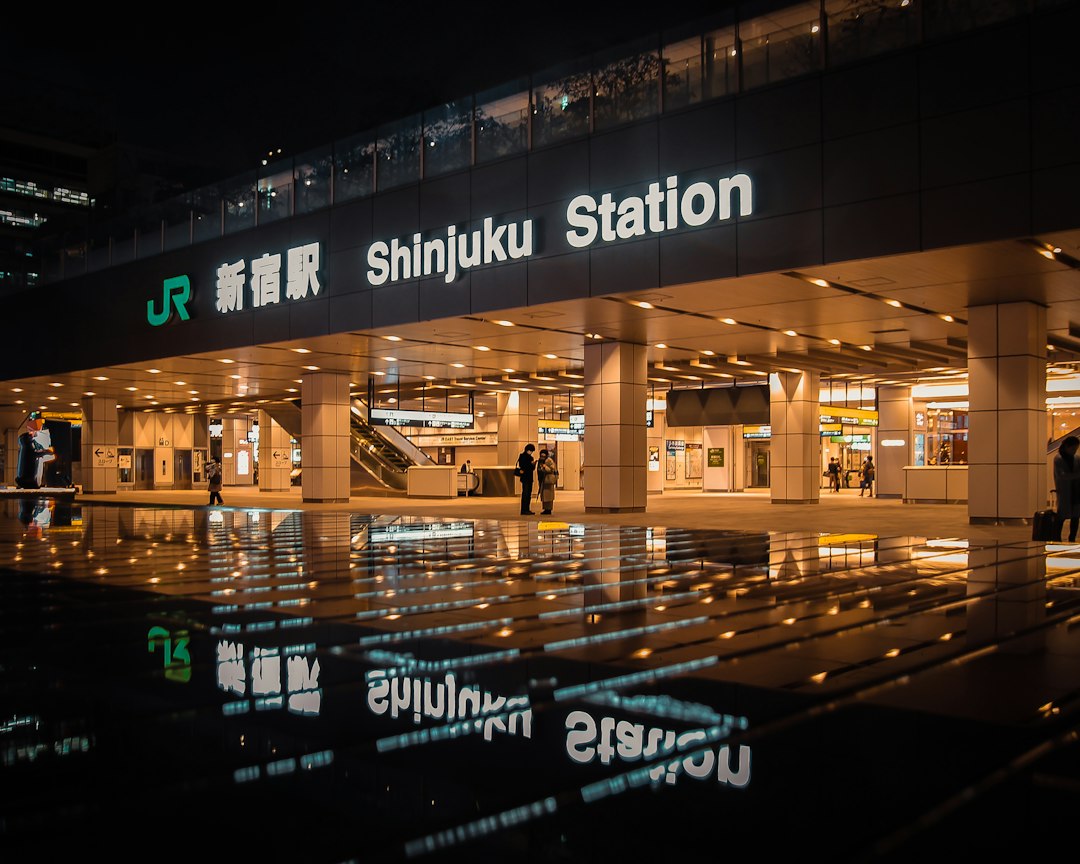
There’s no single branded “currency exchange kiosk” run by JR at Shinjuku Station — what you’re actually looking for is one of three things scattered across this station’s eight exits: a staffed exchange counter like Daikokuya, a self-service exchange machine, or a Seven Bank ATM that takes foreign cards. I’ve used all three on different trips, and which one makes sense depends entirely on which exit you come out of and how much cash you’re carrying. Here’s what’s actually there as of November 2026, not a recycled list of “options to consider.”
The fastest real answer
If you’re standing at the East Exit (Higashiguchi) near Studio Alta, walk toward Shinjuku-dori and you’ll find Daikokuya’s Shinjuku branch at 3-26-14 Shinjuku, a two-minute walk from the exit. It’s open 10:00–19:00 daily, charges no service commission (the spread is built into the posted rate), and the digital rate board updates twice a day around 10:00 and 14:00. Bring USD, EUR, AUD, GBP, CNY, or KRW cash — bills only, no coins, and notes should be reasonably clean (heavily creased or marked bills get rejected at the counter).
Where the actual exchange points are, by exit
South Exit / Busta Shinjuku area
The Shinjuku Tourist Information Center sits on the 4th floor of Busta Shinjuku (the bus terminal building above the New South Exit). It doesn’t do currency exchange itself, but there’s a self-service exchange machine on the same floor, operated by Interchange Co., that accepts USD, EUR, CNY, HKD, TWD, THB, SGD, AUD, CAD, and GBP notes. This is the one most people mean when they say “Shinjuku Station kiosk” — it’s genuinely a kiosk-style unit, not a staffed desk.
West Exit (Nishiguchi)
Near Yodobashi Camera’s main store, there’s a World Currency Shop counter inside the Odakyu Department Store building (when it’s trading under renovation signage, check the 1F directory board — Odakyu Shinjuku has been doing phased rebuilding through 2026). Hours run 10:00–20:00, aligned with department store hours, which matters because it closes earlier than the 24-hour image people have of “station kiosks.”
East Exit / Kabukicho side
Besides Daikokuya, there are two or three independent exchange shops along the Golden Gai approach road that advertise “no commission” rates in English and Korean — rates here are usually 1–2% worse than Daikokuya’s posted board, so compare before committing, especially for amounts over ¥50,000 equivalent.
How the self-service machines actually work
The Busta Shinjuku machine and similar units (same model appears at Shinjuku’s Keio department store exchange corner) work like this: insert your foreign banknotes flat, one at a time, into the feed slot; the screen displays the yen amount calculated at that day’s rate before you confirm; press confirm and yen bills drop into a tray below, along with a printed receipt. The whole transaction takes under two minutes for amounts up to about ¥100,000 worth of foreign cash. These machines reject damaged, taped, or pre-2006-series USD bills more strictly than human staff would, so if you’re carrying old $100 bills, a staffed counter is the safer bet.
Kiosk vs. bank vs. ATM withdrawal — actual rate gap
On a recent visit I compared three methods using 200 USD: Daikokuya’s posted rate gave roughly ¥29,800 (around ¥149/USD after their spread), the self-service machine at Busta Shinjuku gave about ¥29,400, and withdrawing yen directly from a Seven Bank ATM using a US-issued debit card (no foreign transaction fee card) gave close to ¥30,100 after the bank’s own ¥220 flat ATM fee. For most travelers carrying a fee-free international debit or credit card, a Seven Bank ATM — and Shinjuku Station has several inside the station concourse near the JR East Travel Service Center on the south side, plus more at the 7-Eleven stores on the West Exit side — ends up cheaper than any cash exchange kiosk. The catch is your home bank may still charge its own foreign ATM fee separately, so check that before relying on this method exclusively.
What to bring and what they’ll ask for
Staffed counters like Daikokuya require ID for transactions over ¥100,000 equivalent in a single day — your passport is sufficient, and they’ll photocopy the photo page. For smaller amounts, no ID is needed. Self-service machines don’t ask for ID at all, which is part of why they’re popular for quick top-ups under ¥50,000. Neither option interacts with your Suica or Pasmo balance — exchanging cash and topping up an IC card are two separate steps, and the IC card top-up machines (green JR East ones, usually near each ticket gate) only accept yen cash or domestic cards, not foreign currency directly.
A related shortcut worth knowing
Since the 2023 update, Suica on Apple Pay and Google Pay supports top-ups with certain foreign-issued Visa and Mastercard credit cards (not all banks work — Chase and Capital One cards have worked reliably for me, some European debit cards still get declined). If your card qualifies, you can skip physical yen exchange entirely for day-to-day transport and convenience store purchases, and only exchange cash for places that are cash-only, which in Shinjuku still includes a fair number of the smaller izakaya around Omoide Yokocho.
Timing and caveats that actually matter
Daikokuya and the department store counters close earlier than you’d expect from a 24-hour train station — nothing staffed is open past 20:00, and the self-service machine at Busta Shinjuku, while technically accessible whenever the building is open, stops accepting transactions between roughly 23:00 and 5:00 for maintenance resets. Rates also shift during the day: the posted board rate in the morning can differ from the afternoon update by ¥0.50–1 per dollar, so if you’re exchanging a large sum, it’s worth checking both Daikokuya’s board and the Busta machine’s displayed rate before committing to either, since they don’t always move in sync. And a genuine gotcha I’ve seen catch people out: the exchange shops near Kabukicho that advertise in flashy English signage sometimes post a “buy” rate prominently but a much worse “sell” rate in small print — always confirm you’re reading the rate for converting your foreign currency into yen, not the reverse.
Photo by Pema G. Lama on Unsplash