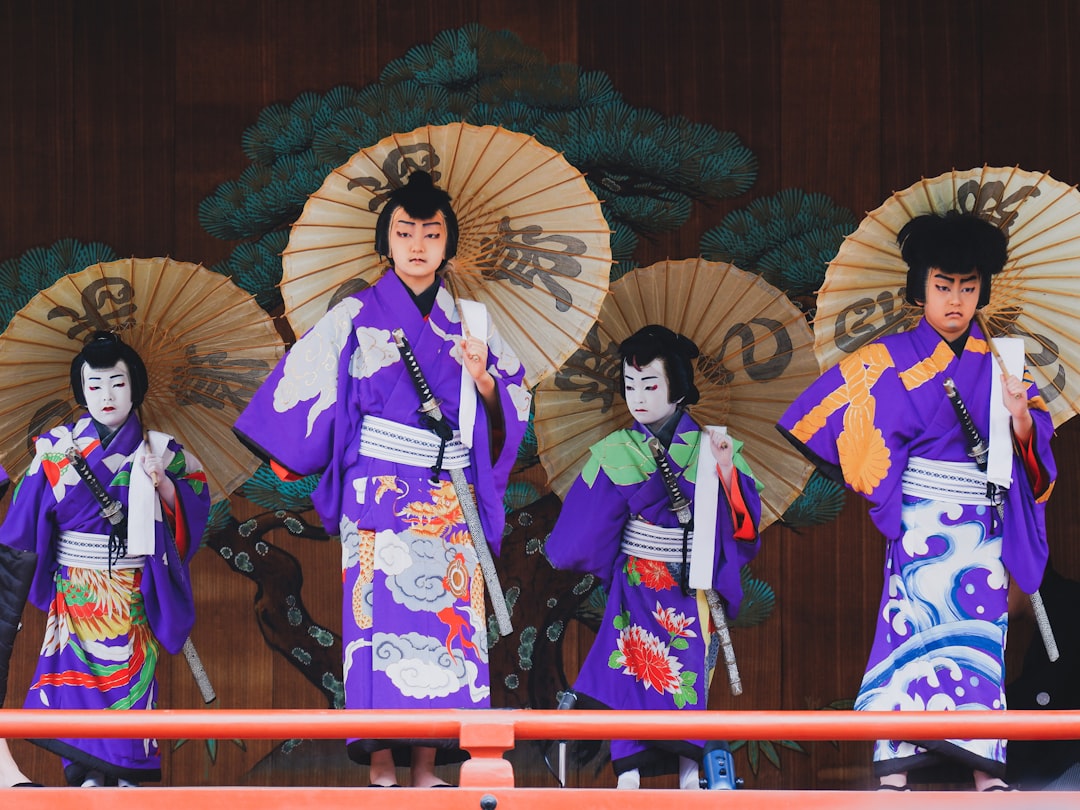
Understanding Japan’s Cosplay Competition Scene
Japan is the birthplace of modern cosplay culture, and for many foreign anime fans, competing in a Japanese cosplay competition is a bucket-list experience. From the World Cosplay Summit in Nagoya to smaller regional contests held during anime conventions, these events offer international visitors a chance to showcase their craftsmanship and passion alongside some of the most skilled cosplayers on the planet. However, Japanese cosplay competitions operate under a strict and sometimes unfamiliar set of rules that differ significantly from Western conventions. This guide breaks down everything foreign visitors need to know before signing up.
Why Rules Are Stricter in Japan
Japanese event organizers place heavy emphasis on safety, public decency, and orderly conduct. Unlike some Western cons where costume rules are relatively relaxed, Japanese competitions enforce clear boundaries around weapon props, skin exposure, and behavior both on and off stage. These rules exist to protect venues, ensure smooth event flow, and maintain Japan’s family-friendly public image. Understanding this cultural context will help you appreciate why certain restrictions exist rather than viewing them as arbitrary red tape.
General Registration Requirements
- Most competitions require pre-registration weeks or months in advance, often through Japanese-language websites or apps.
- Foreign participants typically need a passport or residence card for identity verification at check-in.
- Some events require proof that your costume was handmade or significantly modified by you, especially for craftsmanship-focused contests.
- Entry fees vary widely, and refunds for cancellations are rarely offered.
- Many competitions cap the number of international entrants, so early registration is essential.
Language Barriers During Sign-Up
Registration forms, rulebooks, and briefings are frequently only in Japanese. It’s highly recommended to bring a translation app, ask a Japanese-speaking friend for help, or contact event organizers in advance to confirm whether English support is available. Some larger events like the World Cosplay Summit provide English documentation, but smaller local contests often do not.
Costume and Prop Regulations
Prop and costume rules are the area where foreign visitors most often run into trouble. Japanese competitions enforce these standards rigorously, and violations can result in disqualification on the spot.
Weapon and Prop Restrictions
- Prop weapons must usually be under a specified length (commonly around 1 meter), and blades must be clearly fake, brightly colored, or made of foam/resin rather than metal.
- Sharp edges, functioning mechanisms, or anything resembling a real firearm are strictly prohibited.
- Large or heavy props may need prior approval and safety inspection before the event.
- Props deemed dangerous to other participants or the audience will be confiscated at check-in.
Exposure and Modesty Rules
- Most competitions require full coverage of intimate areas with actual fabric, not just body paint or thin material.
- Certain venues (especially those inside shopping malls, train stations, or family-friendly complexes) enforce stricter modesty codes than dedicated convention halls.
- Costumes depicting excessive violence, gore, or overtly suggestive themes may be restricted, particularly at general-audience events.
- Changing in public areas is prohibited; participants must use designated changing rooms only.
Behavior and Stage Etiquette
Japanese cosplay competitions place strong emphasis on discipline and respect for the stage, judges, and fellow competitors.
- Time limits for stage performances are strictly enforced, often down to the second.
- Physical contact with judges or unscripted audience interaction is generally discouraged unless explicitly part of the performance.
- Loud or disruptive behavior backstage, including excessive noise or running, is frowned upon.
- Photography and filming rules vary by event; always confirm whether flash photography, video recording, or personal photo shoots with competitors are allowed.
Photography and Public Cosplay Rules
Many competitions take place alongside general convention cosplay areas, where separate rules apply. Foreign visitors should note the following:
- Always ask permission before photographing another cosplayer, even outside the competition stage.
- Some venues designate specific outdoor or indoor photo zones, and cosplay outside these areas may be prohibited.
- Public transportation to and from the venue often requires wearing a coat or cover-up over costumes, particularly for elaborate or revealing outfits.
- Blocking walkways for photo sessions is considered rude and may be stopped by event staff.
Judging Criteria Foreign Visitors Should Understand
Japanese judges typically evaluate cosplay competitions based on a combination of factors that may differ from Western judging standards:
- Craftsmanship accuracy: How closely the costume matches the source material, including fabric choice, color accuracy, and construction techniques.
- Character portrayal: Posture, expression, and mannerisms that reflect the character’s personality, not just physical resemblance.
- Stage presence: Confidence and performance quality during the walk or skit segment.
- Originality of build: Handmade or heavily modified pieces are often valued more highly than purchased costumes.
Practical Tips for Foreign Competitors
- Research the specific competition’s rulebook thoroughly before packing, since requirements vary between events like the World Cosplay Summit, local anime expos, and department store-hosted contests.
- Bring backup fasteners, tape, and repair kits, as last-minute costume malfunctions are common and Japanese venues may not provide repair stations.
- Arrive early for check-in, as prop inspections and briefings can take significant time, especially with language barriers.
- Consider joining international cosplay forums or social media groups where past foreign competitors share firsthand experiences with specific events.
- Be respectful of photographers and staff instructions, as Japanese event culture values politeness and following directions promptly.
Common Mistakes Foreign Visitors Make
- Assuming rules from home conventions apply universally, leading to prop or costume rejections at check-in.
- Underestimating how strictly time limits are enforced during stage performances.
- Forgetting to bring a cover-up for public transit, resulting in stares or venue staff intervention.
- Not confirming whether English support will be available, leading to confusion during briefings.
- Overlooking the need for prior approval on large or complex props.
Final Thoughts
Competing in a Japanese cosplay competition as a foreign visitor is an unforgettable way to connect with the global cosplay community while immersing yourself in the culture that inspired it. While the rules can feel rigid compared to what you might be used to, they exist to keep events safe, fair, and enjoyable for everyone involved. With careful preparation, an understanding of costume and prop restrictions, and respect for stage etiquette, international cosplayers can confidently step onto the Japanese cosplay stage and make lasting memories in the heart of anime culture.
Photo by Susann Schuster on Unsplash