Why Anime Figure Authentication Matters
Anime figures have grown from niche merchandise into a serious collectible market, with rare releases from brands like Good Smile Company, Kotobukiya, Alter, and Bandai fetching impressive resale prices. As demand has risen, so has the flood of counterfeit and bootleg figures flooding online marketplaces. Learning anime figure authentication isn’t just a hobbyist skill anymore; it’s essential protection for your wallet and your collection’s long-term value. This guide walks you through the practical steps professional collectors and Japanese hobby shop staff use to verify authenticity and assess condition before buying or selling.
Common Signs of Bootleg and Fake Figures
Bootleg figures, often called ‘bukanfu’ in Japanese collector circles, are unauthorized reproductions that copy official sculpts without licensing. They vary wildly in quality, and spotting them requires attention to detail across several categories.
Packaging Quality
Official Japanese figure boxes use high-resolution printing, precise color matching, and sturdy cardboard with clean die-cut windows. Bootlegs frequently show blurry text, mismatched fonts, color bleeding, or flimsy materials. Check the back of the box too — legitimate releases list the manufacturer’s address, JAN barcode, and copyright notices in correctly formatted Japanese text.
Material and Paint Quality
Authentic PVC and ABS figures feel dense and solid, with smooth joints (for articulated figures) and crisp paint application. Bootlegs often use cheaper, lighter plastic that feels hollow or brittle. Look closely at eyes, hair strands, and small details — genuine releases have clean paint lines, while fakes show smudging, bleeding, or missing details like eyelash separation.
Official Stickers, Holograms, and Seals
Major manufacturers include authentication stickers on the box. Good Smile Company products often feature a hologram sticker with their logo that changes appearance depending on the viewing angle. Kotobukiya and Alter use similar security seals. If this sticker is missing, poorly printed, or doesn’t shift color under light, treat the item with suspicion.
Serial Numbers and Batch Codes
Limited edition and exclusive figures typically include a serial number or production code printed on the box or a certificate card. Cross-reference these numbers with official announcements or community databases when possible. Inconsistent formatting or numbers that don’t match known production runs are red flags.
Step-by-Step Anime Figure Authentication Process
- Research the official release: Before buying, look up the manufacturer’s official product page for reference images, release date, and retail price. Familiarize yourself with accessory counts, box dimensions, and included extras.
- Compare weight and dimensions: Bootlegs are frequently slightly smaller or lighter due to cost-cutting on materials. If you can, compare measurements against official specs.
- Inspect the base and stand: Official figures include stably designed bases matching the character theme, often with etched logos or brand names. Cheap replicas use generic, unmarked plastic stands.
- Check the manufacturer’s mark: Most legitimate figures have a small embossed or printed logo somewhere on the base or figure itself, such as ‘GOOD SMILE COMPANY’ or the Kotobukiya ‘KOTO’ emblem.
- Verify through the retailer: Buying from authorized retailers such as AmiAmi, Hobby Search, Mandarake, or official Good Smile Company online stores drastically reduces bootleg risk. Be cautious with unauthorized sellers offering suspiciously low prices, especially on rare or sold-out items.
- Use community resources: Collector forums and subreddits dedicated to figure collecting often have pinned authentication guides with side-by-side bootleg comparisons for popular releases.
Anime Figure Grading Guide: Assessing Condition
Once authenticity is confirmed, the next step is understanding condition grading, which directly affects resale value and collector desirability.
Standard Condition Grades
- New/Mint in Box (MIB): Factory sealed, never opened, box in pristine condition with no shelf wear, creases, or fading.
- Opened, Complete: Box has been opened but all accessories, inserts, and instructions are present. Figure shows no signs of display damage.
- Displayed, Good Condition: Figure has been removed from packaging and displayed, showing minor dust or handling marks but no paint chips, discoloration, or structural issues.
- Fair/Played With: Visible wear such as loose joints, minor paint rubbing, yellowing (common with older PVC due to UV exposure), or small accessory losses.
- Poor/Damaged: Missing parts, broken components, significant paint loss, or structural cracks.
Box Condition Sub-Grading
Serious collectors also grade the box separately from the figure itself, since box condition significantly impacts resale value for sealed items. Look for corner dents, shelf wear (small scuffs from store display), window clarity, and whether the shrink wrap (if present) is intact and original.
Professional Grading Services
Following the trend set by trading card grading, some third-party services now offer authentication and grading certification for high-value figures, sealing them in protective cases with a grade label. While still a smaller niche than card grading, this can add credibility when reselling rare or vintage pieces, particularly for out-of-production Alter or Volks garage kits.
DIY Grading Checklist
When grading your own collection, examine the figure under bright, natural light and check the following: paint consistency across similar figures, joint tightness for articulated models, yellowing on white or light-colored plastic, dust accumulation in detailed crevices, and stability of the base and stand connection.
Where to Buy Authentic Anime Figures in Japan
If you’re traveling to Japan, shopping in person offers the best authentication confidence. Akihabara in Tokyo and Den Den Town in Osaka host numerous specialty shops like AmiAmi’s physical stores, Mandarake, and Hobby Station, all known for verified stock. Nakano Broadway is another treasure trove for rare and vintage figures, though secondhand items there should still be inspected carefully using the tips above. For online purchases from abroad, prioritize retailers with established reputations and clear return policies covering authenticity disputes.
Final Tips for Confident Collecting
Building expertise in anime figure authentication takes time, but starting with reputable sellers, studying official reference photos, and joining collector communities will sharpen your eye quickly. Keep records of your purchases, including receipts and photos of box seals, as this documentation proves valuable both for insurance purposes and future resale. Whether you’re a casual collector or building a serious investment-grade collection, careful authentication and honest grading protect both your enjoyment of the hobby and the financial value of your pieces.
Ultimately, the anime figure market rewards patience and diligence. Take time to compare listings, ask sellers for additional photos of stickers and serial numbers, and never rush a purchase on an unusually rare find without doing your homework first. With these authentication and grading fundamentals in hand, you can shop confidently whether you’re browsing Akihabara in person or scrolling marketplaces from home.
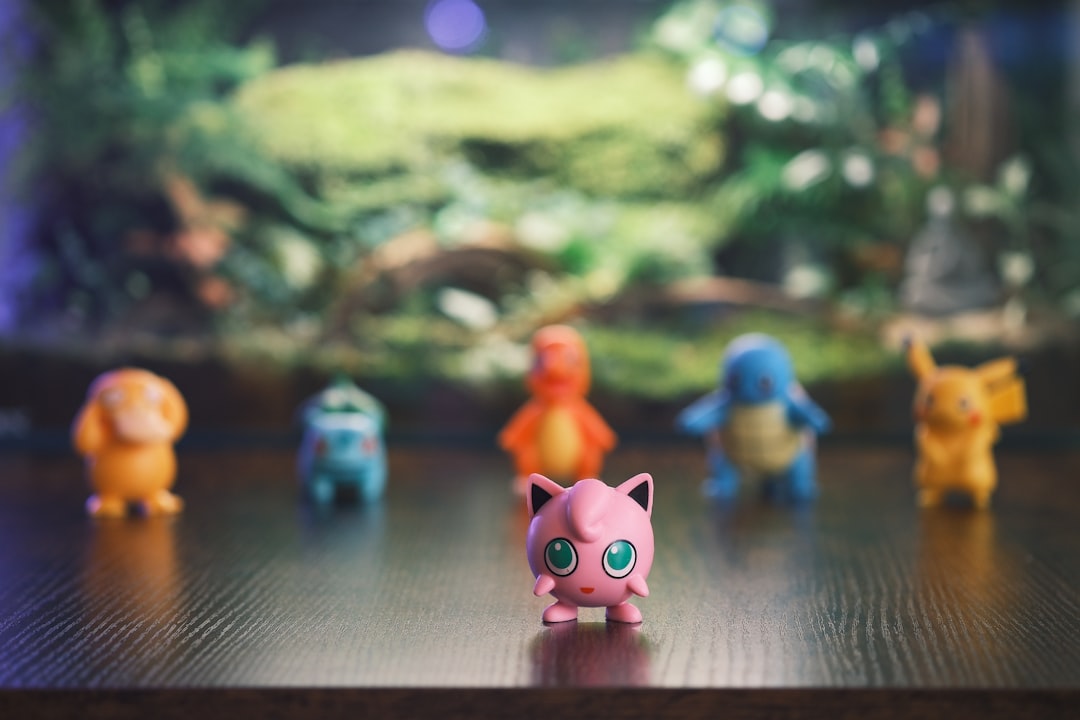
Photo by Life Time Values on Unsplash