Few anime have inspired as much devoted fan travel as K-On!, the beloved slice-of-life series about five high school girls and their light music club. Produced by Kyoto Animation, the show is steeped in the atmosphere of the Kansai region, and while Sakuragaoka Girls’ High School is fictional, its visual DNA comes from real streets, shops, and school buildings scattered across Kyoto and neighboring Shiga Prefecture. This guide walks you through the essential stops for a respectful, rewarding K-On! seichi junrei (pilgrimage to sacred anime sites), along with practical tips to make your trip smooth and unforgettable.
Why Kyoto? The K-On! and Kyoto Animation Connection
K-On! was produced by Kyoto Animation, a studio headquartered in the Kyoto area and famous for grounding its fantastical school-life stories in authentic, lovingly rendered real-world backdrops. This attention to detail is exactly why fans can walk the same streets, sip tea at the same style of kissaten, and browse the same instrument shops that inspired scenes of Yui, Mio, Ritsu, Tsumugi, and Azusa’s after-school adventures. Unlike pilgrimage sites tied to a single dramatic landmark, the K-On! trail is a mosaic of everyday Kyoto life, making it a wonderful excuse to explore the city beyond its famous temples.
Toyosato Elementary School: The Architectural Model for Sakuragaoka
The single most iconic pilgrimage destination associated with K-On! is the former Toyosato Elementary School building in Toyosato, Shiga Prefecture, roughly an hour from Kyoto by train and bus. This beautifully preserved 1930s Western-style school building, with its distinctive arched corridors and central staircase, served as visual inspiration for Sakuragaoka High School’s exterior and hallways seen throughout the series and the K-On! film. The building has been preserved as a community and cultural facility, and fans can walk its corridors, take photos in the courtyard, and even find a small cafe on site that occasionally features anime-related memorabilia. Because it functions as a public heritage site rather than an active school, visiting is generally welcomed, though visitors should remain quiet and respectful of other guests and staff.
Getting There
- Take a train to Omi-Nagaoka Station or Toyosato Station on the JR Biwako Line/Ohmi Railway from Kyoto or Maibara.
- From the station, it’s a short taxi ride or a pleasant 20-30 minute walk to the old school building.
- Check opening hours in advance, as the building operates on a public facility schedule rather than tourist hours.
Kyoto City Pilgrimage Spots
Beyond Toyosato, much of the show’s everyday charm comes from ordinary Kyoto cityscapes that any visitor can enjoy without a special detour.
Musical Instrument Shops
The girls’ obsession with guitars, basses, and keyboards draws directly from Kyoto’s real music shop culture. Wandering through instrument stores in the Kawaramachi and Shijo shopping districts recreates the thrill of Yui and her bandmates browsing gear, even if the exact shop names differ from the anime’s fictionalized versions.
Shijo-Kawaramachi and Teramachi Shopping Arcade
This covered shopping street, lined with cafes, boutiques, and snack shops, mirrors the kind of casual hangout spots where the light music club members might grab a treat after practice. It’s an ideal place to combine pilgrimage wandering with genuine Kyoto shopping and people-watching.
Nishiki Market
Known as “Kyoto’s Kitchen,” this bustling market of food stalls and local specialties captures the same lively, welcoming energy found in the show’s depiction of Kyoto’s commercial streets. It’s a great stop for a quick snack between pilgrimage points.
Live Music Venues
Kyoto has a thriving live house scene, and fans of the series often seek out small live music venues in the city to soak in the same kind of atmosphere where a fictional band like Ho-kago Tea Time might have played their first gig. Checking local event listings for live houses near downtown Kyoto can turn your pilgrimage into a real musical evening.
Cafe Culture: Recreating After-School Tea Time
One of K-On!’s defining images is the light music club members gathered around a table for tea and cake instead of rehearsing. Kyoto’s abundance of traditional kissaten (retro cafes) and modern tea houses makes it easy to recreate this cozy ritual. Look for cafes with wood-paneled interiors, vintage furniture, and homemade cakes, especially in the Kawaramachi, Sanjo, and Gion areas, for an authentic “tea time” experience worthy of the anime’s slow, comforting pace.
Respecting the Studio and Local Community
Kyoto Animation remains a beloved and important studio for the anime industry, and its offices are working creative spaces, not tourist attractions. Fans are strongly encouraged to admire the studio’s contributions from a distance, avoid loitering near private studio buildings, and instead channel their appreciation into supporting official merchandise, home video releases, and museum exhibits when available. Respectful fandom is what keeps pilgrimage culture welcome in these communities long-term.
Practical Tips for Your K-On! Pilgrimage
- Transportation: Kyoto’s city bus network and the Keihan and Hankyu rail lines cover most downtown pilgrimage points. A one-day bus pass is economical if you’re hopping between several shopping districts.
- Best Time to Visit: Spring and autumn offer the most comfortable walking weather and the prettiest backdrops for photos, though the pilgrimage works year-round since most spots are indoor shops or preserved buildings.
- Photography Etiquette: Always ask permission before photographing inside privately owned shops or cafes, and never photograph inside active school buildings or private residences.
- Combine with Shiga: Since Toyosato is in Shiga Prefecture, plan a half-day or full-day excursion from Kyoto to fit in both the school building and a stroll around Lake Biwa’s scenic shoreline.
- Bring a Guidebook or Map App: Many pilgrimage locations are unmarked, so having location pins saved in advance (from fan wikis or anime tourism sites) saves considerable time.
Sample One-Day Itinerary
- Morning: Travel from Kyoto Station to Toyosato Elementary School building; explore the halls, courtyard, and small on-site cafe.
- Early Afternoon: Return to Kyoto and have lunch at Nishiki Market.
- Afternoon: Browse instrument shops and boutiques around Shijo-Kawaramachi and Teramachi arcade.
- Evening: Relax with tea and cake at a retro Kyoto kissaten, recreating the light music club’s favorite pastime.
Pair Your Pilgrimage with Kyoto’s Classic Attractions
Since most K-On! locations sit within or near central Kyoto, it’s easy to combine your pilgrimage with the city’s must-see landmarks. Consider adding Kiyomizu-dera Temple, the Fushimi Inari torii gate trails, or the bamboo groves of Arashiyama to your trip. These stops offer a perfect contrast between anime-inspired nostalgia and Kyoto’s timeless historical beauty, ensuring your journey satisfies both otaku curiosity and classic sightseeing goals.
Final Thoughts
A K-On! pilgrimage through Kyoto and Shiga is less about chasing a single dramatic filming location and more about soaking in the gentle, everyday rhythm that made the anime so beloved: shopping streets, music shops, tea time, and the quiet charm of an old schoolhouse. Approach each site with curiosity and respect, and you’ll come away with not just great photos, but a genuine feel for the city that shaped one of anime’s most heartwarming stories.
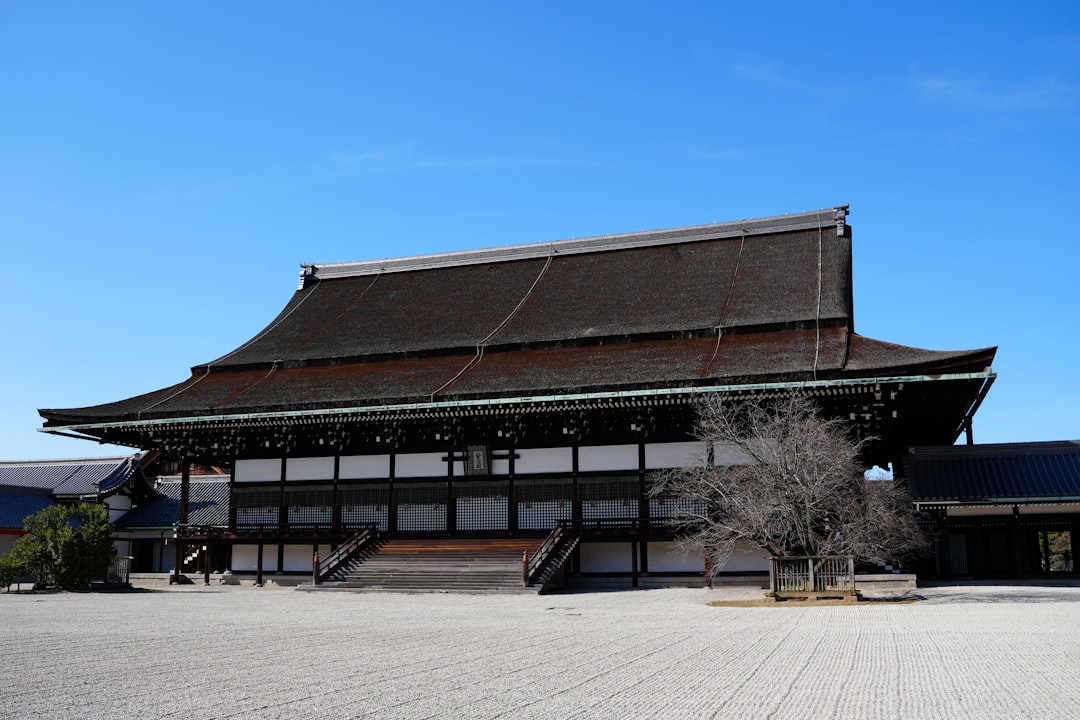
Photo by Dmitry Romanoff on Unsplash