Introduction to the Chihayafuru Pilgrimage
Few anime series have done as much to popularize a traditional Japanese art form as Chihayafuru, the beloved story about competitive karuta. For fans who have followed Chihaya Ayase’s journey from a shy schoolgirl to a fierce karuta champion, there is one destination that stands above all others for a pilgrimage: Omi Jingu Shrine in Otsu, Shiga Prefecture. This shrine is not just a fictional backdrop invented for the anime; it is the real, historic home of the Meijin and Queen championship karuta matches, making it a rare case where fiction and reality merge almost seamlessly.
This guide will walk you through everything you need to know about visiting Omi Jingu, understanding its deep connection to karuta and Chihayafuru, and planning a memorable anime pilgrimage in the Kansai region.
Why Omi Jingu Is Sacred Ground for Karuta Fans
Omi Jingu was established in dedication to Emperor Tenji, who is credited with composing the very first poem featured in the Hyakunin Isshu, the collection of one hundred classical waka poems used in karuta matches. Because of this historical link, Omi Jingu became the natural home for Japan’s most prestigious karuta tournaments, including the Meijin-sen and Queen-sen championships that are dramatized in Chihayafuru.
In the anime and manga, the shrine appears repeatedly as the site of major competitive matches, training camps, and emotional turning points for the characters. Walking through the same halls where real karuta masters compete gives fans a rare feeling of stepping directly into the story.
The Karuta Hall (Kagaku-kan)
Inside the shrine grounds sits the Kagaku-kan, a hall specifically used for karuta competitions. Visitors can often view the tatami-matted competition rooms, historical karuta cards, and displays explaining the rules and etiquette of the game. For fans, seeing this hall in person after watching countless matches unfold here in the anime is one of the most rewarding parts of the pilgrimage.
Planning Your Visit to Omi Jingu
Getting There
Omi Jingu is located in Otsu City, Shiga Prefecture, easily accessible as a day trip from Kyoto or Osaka. The most convenient route is taking a train to Omi-Jingu-mae Station on the Keihan Ishiyama-Sakamoto Line. From Kyoto Station, travelers typically transfer through JR lines and local Keihan trains, with the total journey taking under an hour.
Best Time to Visit
Because this is evergreen content, remember that Omi Jingu can be visited comfortably throughout the year. Spring brings cherry blossoms around the shrine grounds, while autumn offers beautiful foliage. If you want a chance to witness real karuta activity, check the shrine’s event calendar in advance, as certain competitions and training sessions are open to public viewing at various points during the year.
Highlights of the Anime Pilgrimage Route
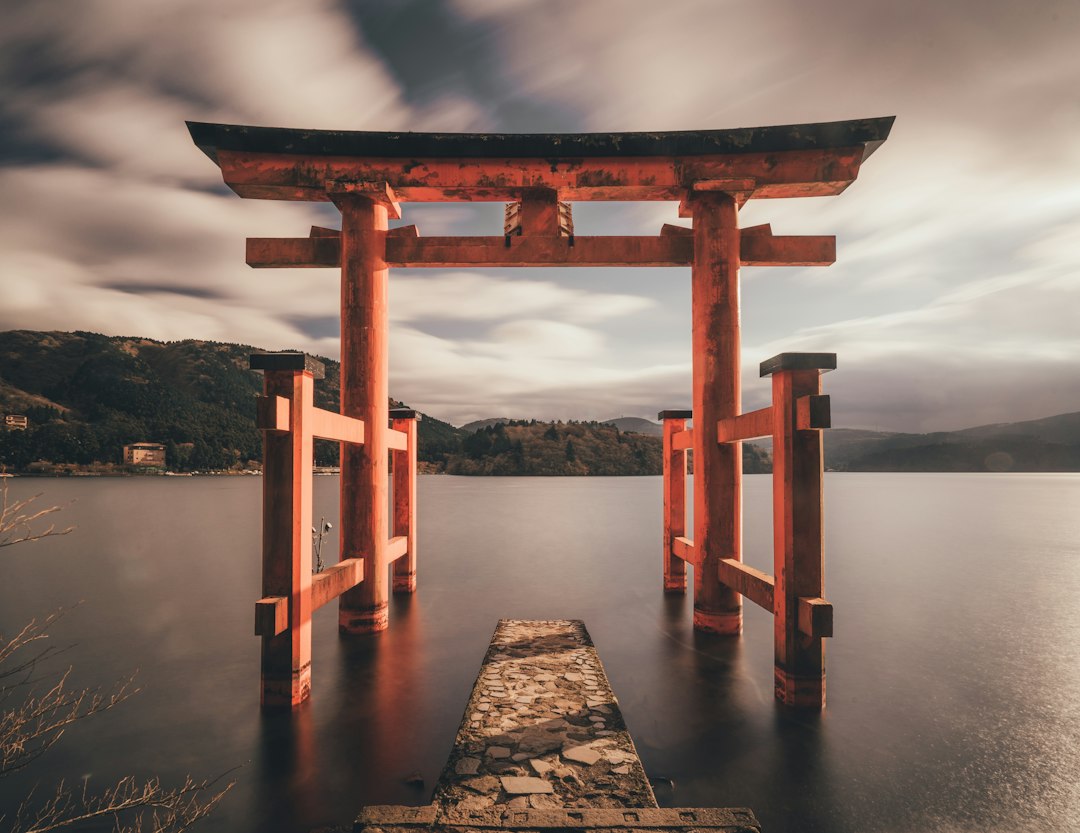
- Main Shrine Gate (Torii): The iconic entrance seen in establishing shots throughout the anime.
- The Approach Path: A long tree-lined walkway that mirrors scenes of characters walking to tournaments.
- Kagaku-kan Hall: The heart of the karuta pilgrimage, where matches take place.
- Sundial Monument: A unique feature on the grounds referencing Emperor Tenji’s contributions to timekeeping in Japan.
- Omikuji and Ema boards: Many fans purchase karuta-themed omamori (protective charms) or write wishes on ema boards related to competition success or academic achievement.
Beyond Omi Jingu: Extending Your Chihayafuru Pilgrimage
While Omi Jingu is the centerpiece of any Chihayafuru pilgrimage, dedicated fans often extend their trip through the greater Shiga and Kyoto region to explore related cultural sites.
Lake Biwa
Just a short distance from Omi Jingu, Lake Biwa offers scenic views and a peaceful contrast to the intensity of competitive karuta. Many visitors combine a shrine visit with a relaxing walk along the lake shore.
Kyoto’s Classical Poetry Connections
Since karuta is based on the Hyakunin Isshu poetry collection, fans with extra time may enjoy visiting sites in Kyoto connected to the poets featured in the anthology, adding a literary dimension to the pilgrimage.
Tips for Respectful Pilgrimage Etiquette
- Remember that Omi Jingu is an active, functioning Shinto shrine, not merely a tourist attraction. Follow standard shrine etiquette, including bowing at the torii gate and being quiet near the main worship hall.
- If karuta matches or events are taking place during your visit, observe respectfully and avoid disrupting competitors.
- Photography is generally allowed in outdoor areas, but always check for posted signs restricting photos inside the Kagaku-kan hall or during active competitions.
- Consider purchasing a karuta-related omamori as a meaningful souvenir that connects your visit to both the anime and the real tradition it celebrates.
Why This Pilgrimage Matters
Chihayafuru succeeded not just as an anime but as a cultural ambassador, introducing global audiences to the elegance and intensity of competitive karuta. Visiting Omi Jingu allows fans to appreciate the show’s dedication to authenticity, since its creators clearly researched the real tournaments, rules, and history surrounding this centuries-old game.
For anime tourists, this pilgrimage offers something rare: the chance to witness the actual, ongoing tradition that inspired a beloved story, rather than just a location used purely for scenic backdrops. Every corner of Omi Jingu connects directly to both Japanese cultural heritage and the emotional journey of Chihaya, Taichi, and Arata.
Final Thoughts
A visit to Omi Jingu is more than a simple stop on an anime pilgrimage checklist. It is an opportunity to connect with a living tradition, appreciate the artistry behind competitive karuta, and walk the same grounds as both real champions and beloved fictional characters. Whether you are a longtime Chihayafuru fan or simply curious about karuta’s cultural roots, Omi Jingu offers a rewarding, evergreen destination worth adding to any Kansai region itinerary.
Photo by Tianshu Liu on Unsplash