If you’re trying to decide where to spend December 31st in Japan, the short answer is: Zojoji Temple in Tokyo if you want a free 108-toll bell ceremony with Tokyo Tower lit up behind it, Yasaka Shrine in Kyoto if you want the okera-mairi fire ritual that’s been running since the Heian period, or Naha’s Kokusai Dori in Okinawa if you’d rather countdown in a jacket instead of three layers and a down coat. Each city does New Year differently, and which one suits you depends on whether you want crowds-and-spectacle or quiet-and-ritual.
Tokyo: Temple Bells, Sky-High Countdowns, and All-Night Trains
Zojoji Temple sits right next to Tokyo Tower in Shiba Park, a 3-minute walk from Akabanebashi Station on the Toei Oedo Line, or 5 minutes from Onarimon on the Mita Line. On December 31st the temple distributes a limited number of free bell-ringing tickets (around 100, first-come basis) from the temple office starting at 9:00pm, and the joya no kane ritual — 108 tolls representing the 108 earthly desires in Buddhist teaching — begins around 11:45pm. Even without a ticket, you can stand in the grounds and watch, with the tower lit up in red behind the bell tower, which is the photo everyone actually wants.
For something higher up, Shibuya Sky runs a special countdown session with timed-entry tickets (book through the official SHIBUYA SKY site in advance, typically priced around ¥3,500–4,000 for the NYE slot versus the regular ¥2,000–2,500 daytime rate), keeping the rooftop open past 1:00am. Tokyo Tower itself extends its Main Deck hours to around 1:00am on January 1st, with a standard adult ticket at ¥1,200. If you’d rather do hatsumode (the first shrine visit of the year) at Meiji Jingu near Harajuku Station, know that over 3 million people pass through the gates across the first three days (sanganichi), and the queue from the Harajuku torii to the inner shrine can take over two hours after midnight — arriving at 2–3am or waiting until January 2nd or 3rd morning gets you a much shorter line.
Kyoto: Fire Rituals and a 70-Ton Bell
Kyoto’s New Year’s Eve centers on Gion. At Yasaka Shrine, the chief priest lights a sacred fire at an okera lamp inside the shrine grounds using flint and kaya grass starting around 7:00pm on December 31st — this is the okera-mairi ritual. Visitors buy a length of rope called okera-nawa (about ¥300) at the shrine, light it from the sacred flame, and spin it slowly on the walk home to keep it burning, using it to light the stove for the first cooking of the new year (traditionally for ozoni soup). The shrine is a 5–10 minute walk from Gion-Shijo Station on the Keihan Line or Higashiyama Station on the Tozai subway line, and it stays open and free all night.
A short walk away, Chion-in Temple in Higashiyama rings one of Japan’s largest temple bells — nearly 70 tons — and it takes 17 monks pulling and swinging ropes in coordination to sound it. The sight of the monks straddling the bell structure, counting the swing together, is worth arriving by 10:00pm for a decent viewing spot along the approach path; it’s free to watch. Expect Kyoto’s Higashiyama hills to be noticeably colder than central Tokyo, sometimes near 0°C with occasional light snow dusting the temple roofs.
Osaka: A Lower-Key, Easier-to-Navigate Countdown
Osaka doesn’t do fireworks-style countdowns, but it’s a practical choice if you want New Year’s energy without the two-hour shrine queues. Umeda Sky Building’s Floating Garden Observatory, in Oyodonaka, Kita Ward (about a 7-minute walk from JR Osaka Station or Umeda Station), runs a countdown event on the rooftop with an entry ticket around ¥1,500, staying open past 1:00am. For hatsumode, Namba Yasaka Shrine near Namba Station is less crowded than Tokyo’s big-name shrines and is known for its giant lion-head stage (Ema-den), which makes for one of the more distinctive hatsumode photos in the country. Shitennoji Temple, one of Japan’s oldest Buddhist temples, also holds a public joya no kane bell-ringing open to visitors, with a much shorter wait than Kyoto’s Chion-in.
Okinawa: The Warm-Weather Alternative
If cold isn’t your idea of a good countdown, Naha is worth considering. Average lows in Naha on New Year’s Eve hover around 15–17°C, compared to 2–3°C in Tokyo, so you can actually stand outside comfortably past midnight. Kokusai Dori, Naha’s main shopping street, gets a countdown street-party atmosphere with shops and izakaya staying open late, and Naminoue Shrine — a shrine built on a coastal cliff near the city center — handles hatsumode with noticeably smaller crowds than mainland equivalents. The tradeoff is flights: a round-trip from Haneda to Naha on ANA or JAL during the New Year peak window typically runs ¥40,000–60,000 if booked within a month of travel, so book two to three months out if this is the plan.
Getting Around After Midnight
On December 31st–January 1st, the JR Yamanote Line and most Tokyo Metro and Toei subway lines run special all-night service, with trains roughly every 15–20 minutes between 1:00am and 5:00am at normal fares — check the operator’s official schedule each year since the exact lines included can shift. Kyoto and Osaka do not run comparable all-night subway service, so if you’re bell-watching in Higashiyama or doing hatsumode in Gion, plan to either stay until the first morning trains (around 5:00–5:30am) or budget for a taxi, which typically carries a 20–30% late-night surcharge on top of the meter rate.
What to Eat Before Midnight
Toshikoshi soba — buckwheat noodles eaten just before midnight — is meant to symbolize cutting off the year’s hardships, since soba noodles snap easily. Old-school soba shops like Kanda Yabu Soba in Tokyo’s Kanda neighborhood stay open into the evening on December 31st, with a basic bowl running around ¥900–1,200. Convenience stores (Lawson, 7-Eleven, FamilyMart) also sell pre-packaged toshikoshi soba sets in the days leading up to New Year’s Eve if you’d rather eat on the move between sightseeing stops.
Cold Weather and Crowd Notes
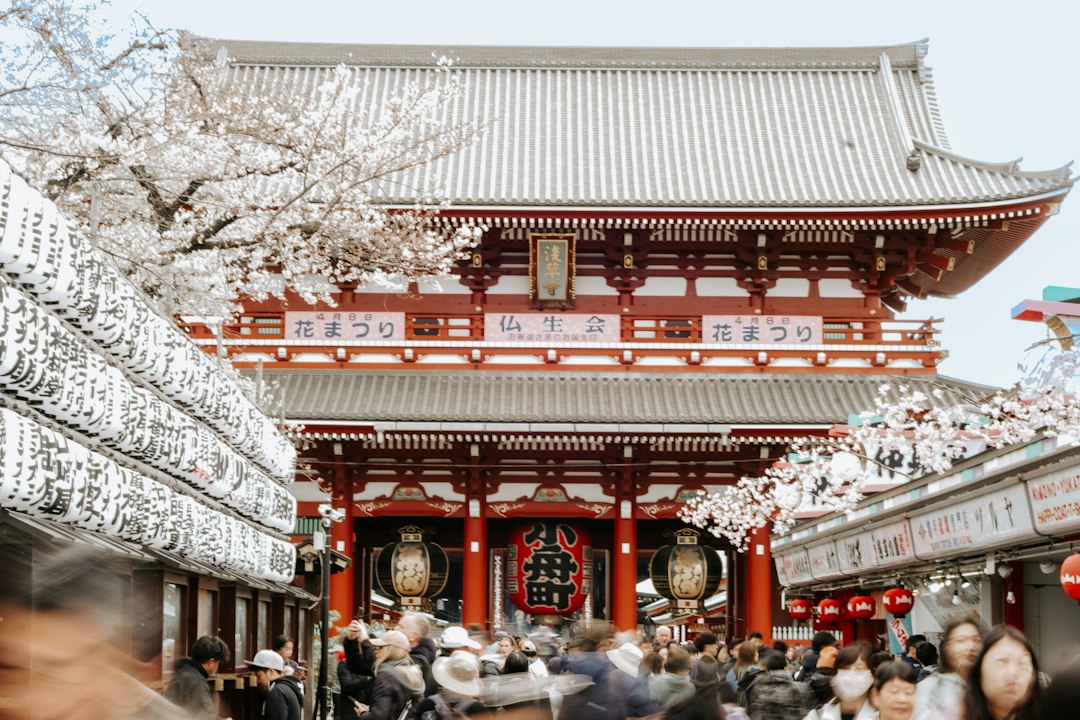
Hand warmers (kairo) are sold at every convenience store for about ¥30–50 a pair and are worth buying before you join any outdoor queue, since standing still in a shrine line for an hour in Tokyo’s 2–3°C night air is a different experience than walking around. Wear shoes with grip — temple approach paths in Kyoto can ice over overnight. If you specifically want to avoid the largest crowds, the practical move is to skip midnight entirely at places like Meiji Jingu and Senso-ji, and instead do hatsumode on the morning of January 2nd or 3rd, when the ritual significance is identical but the wait drops from hours to minutes.
One thing worth planning around that often gets missed: a large number of restaurants, small shops, and even some museums close for the first one to three days of January (the New Year holiday, shogatsu), so don’t assume you can grab a sit-down dinner on January 1st or 2nd the way you could any other day — convenience stores and major department store restaurant floors are safer bets during this window. Accommodation prices in Tokyo, Kyoto, and Osaka also spike for the December 29–January 3rd stretch, sometimes two to three times normal rates, so booking three to four months ahead isn’t excessive if you want a specific neighborhood near your chosen countdown spot.
Photo by Ramon Buçard on Unsplash