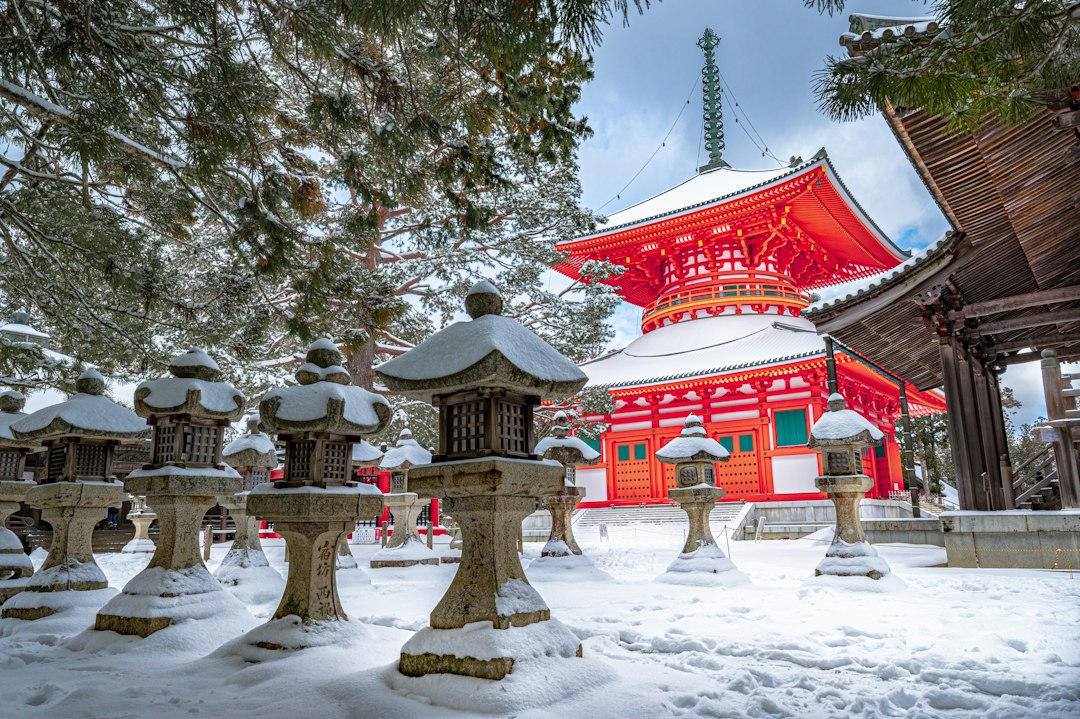
The single biggest mistake people make is lining up for the midnight countdown at Meiji Jingu. That shrine alone pulls in more than 3 million hatsumode visitors across January 1-3, more than any other religious site in the country, and the crush between 11:30pm on December 31 and 2am on January 1 at the Harajuku-side torii can mean a 90-minute shuffle just to reach the offering box. If you’ve already decided to do hatsumode, the fix isn’t avoiding shrines altogether — it’s picking better hours and better shrines.
The Timing Windows That Actually Work
Hatsumode doesn’t have to happen at midnight on January 1. Shrines keep their New Year decorations, amulet stalls, and special stamps up through “matsu no uchi” — roughly until January 7 in the Kanto region (Tokyo, Yokohama, Saitama) and January 15 in Kansai (Kyoto, Osaka, Nara). That gives you a two-week window, not a six-hour one.
- Jan 1, 4:00am-6:00am — there’s a genuine lull after the countdown crowd disperses and before the daytime crowd arrives. Cold, but quiet.
- Jan 2-3, before 8:00am — most Japanese families visit midday after sleeping in, so early risers get a near-empty approach.
- Jan 4-7, any weekday morning — once people return to work, shrine visits drop sharply. Stalls are usually still running, just thinner.
Trade the Famous Three for Quieter Alternatives in Tokyo
If Meiji Jingu, Kawasaki Daishi, and Narita-san are the three most visited hatsumode spots nationally, treat that as a list of places to deprioritize, not prioritize. In central Tokyo, Kanda Myojin (a five-minute walk from Ochanomizu Station on the JR Chuo-Sobu Line, or Shin-Ochanomizu on the Chiyoda Line) covers Akihabara, Nihonbashi, and Marunouchi as its parish and gets a fraction of Meiji Jingu’s foot traffic despite being just as historic — it dates to 730. For something even calmer, Tomioka Hachimangu in Koto Ward, three minutes from Monzen-nakacho Station on the Tozai Line, has a wide open approach and a Sunday antique market right outside that makes the wait feel like a neighborhood event rather than a bottleneck.
Kansai Alternatives: Skip Fushimi Inari’s Crush
Fushimi Inari Taisha pulls over 2.7 million hatsumode visitors and the queue for the first torii gates alone can take 40 minutes on January 1-2. Kamigamo Shrine in northern Kyoto (bus 30 minutes from Kyoto Station, or a 15-minute cycle from Demachiyanagi) is a UNESCO site with the same Shinto gravitas and a fraction of the people. For something genuinely off the main circuit, take the Eizan Electric Railway from Demachiyanagi Station to Kibuneguchi (about 27 minutes, around ¥470), then a five-minute bus ride up to Kifune Jinja — its water fortune slips (mizu-ura omikuji, ¥200, text appears only after floating the paper on the shrine’s spring water) are a genuine draw, and snow on the cedar-lined approach in early January is common. In Osaka, Sumiyoshi Taisha draws over 2 million visitors; Osaka Tenmangu near Tenma Station on the JR Osaka Loop Line gets a far shorter line and the surrounding Tenjinbashi-suji shopping arcade — Japan’s longest covered arcade at 2.6km — is open for hot food while you wait.
Go Regional: Smaller Prefectures Reward You With Empty Courtyards
This is where overtourism-avoidance and crowd-avoidance overlap directly. Chichibu Shrine in Saitama Prefecture, reached via the Seibu Chichibu Line limited express from Ikebukuro (about 1 hour 20 minutes, roughly ¥1,500 one-way with reserved seat), is famous for its December night festival but is nearly deserted for hatsumode itself, with none of the Tokyo-adjacent crowding. Samukawa Jinja in Kanagawa — the only shrine in Japan said to ward off bad luck from all eight directions — sits a 15-minute bus ride from Chigasaki Station on the JR Shonan-Shinjuku Line and gets heavy local traffic on January 1 but is comfortably walkable by January 3. If you’re willing to go further, Izumo Taisha in Shimane, accessible via a direct flight from Haneda to Izumo Airport (about 80 minutes) followed by a 30-minute bus, is one of Japan’s most important shrines yet barely registers on hatsumode crowd rankings because of its distance from the three major metro areas.
What to Actually Wear in the Queue
Standing outside for 45-90 minutes at 2am in January is a different problem from sightseeing. Uniqlo HEATTECH layers under a coat, plus disposable kairo pocket warmers (sold in packs of 10 for about ¥300-500 at any Lawson, 7-Eleven, or FamilyMart) stuck to your lower back and inside your gloves, make the difference between tolerable and miserable. Waterproof shoes matter more than warm ones if you’re visiting somewhere like Kifune Jinja or Chichibu where snow is realistic in early January. Bring a thermos — most shrine stalls selling amazake (sweet, low-alcohol rice drink) charge ¥200-400 per cup, and the line for the drink stall can be longer than the line for the shrine itself.
Trains and Getting There Without a Second Crowd Problem
On the night of December 31 into January 1, Tokyo Metro and several JR East lines (including the Yamanote Line and Chuo-Sobu Line) run all-night service specifically to move hatsumode crowds — this is worth checking on the Tokyo Metro app in advance because it changes the calculus of whether to go at midnight versus 4am. In Kansai, Hankyu, Keihan, and Hanshin railways do the same for Fushimi Inari and Sumiyoshi Taisha traffic. If you’re driving to a regional shrine like Chichibu or Samukawa, know that shrine parking lots fill by 9am on January 1-3 even when the shrine itself feels uncrowded, so arrive before 7am or use the train.
One Thing Worth Knowing Before You Commit to a Date
Visiting after January 7 (Kanto) or January 15 (Kansai) technically falls outside the traditional hatsumode window, and some shrines quietly pack up the New Year decorations, special goshuin stamps, and amulet stalls right on that date — so the quietest day isn’t always the best day. If avoiding people matters more to you than the full seasonal atmosphere, January 4-6 is the real sweet spot: stalls and amulets are still out, but the crowds that define the first three days have gone back to work.
Photo by Samuel Berner on Unsplash