How to Get to Nishi-Ogikubo (and Why the Train Matters)
Nishi-Ogikubo Station sits on the JR Chuo-Sobu Line, the yellow local line that runs parallel to the orange Chuo Rapid Line — and this matters because rapid trains skip this station entirely. From Shinjuku, get on a local (kakueki-teisha) train heading toward Mitaka and the ride takes about 20 minutes with zero transfers. If you’re coming from Tokyo Station, it’s actually faster to ride the Chuo Rapid to Ogikubo (around 20 minutes) and backtrack one stop on the local line, which adds only 3 minutes. The station has two exits, Kita-guchi (north) and Minami-guchi (south). Roughly 90% of what you came here for is on the north side, so unless you’re specifically chasing one shop address, exit north.
Why a Suburban Station Became an Antique Hub
Nishi-Ogikubo has been a secondhand-goods neighborhood since the postwar decades, when dealers selling used furniture and kitchenware set up along the backstreets to serve the working-class households filling this stretch of Suginami Ward. A second wave arrived in the 1990s and 2000s: younger dealers specializing in Showa-era retro goods, mingei folk craft, and imported European and Scandinavian vintage opened shops in the same cheap backstreets, one train stop from Kichijoji but at a fraction of the rent. That layering is still visible today — a shop selling rough farmhouse tansu chests might sit two doors from one specializing in 1960s French glassware. Locals here still call the area simply \“Nishiogi\” rather than its full station name.
North Exit: Teng Ten Shotengai and the Core Shop Cluster
Walk out the north ticket gate and you’re immediately in the Nishiogi PATIO covered arcade. Don’t linger here — it’s mostly everyday shops. Instead look for the signs pointing to Ten Ten Shotengai (てんtenてん商店街), a narrower street running roughly parallel, and the maze of backstreets branching off it toward Itsukaichi-kaido. This three-block radius is where the antique density is highest, with shopfronts often no bigger than a one-car garage and merchandise spilling onto the sidewalk.
Shops worth seeking out
- Organ — zakka and antique glassware, small enamel kitchenware and apothecary bottles priced ¥500–¥3,000; open roughly 12:00–19:00, closed Tuesdays.
- Fall — mid-century and Showa-era furniture, think teak sideboards and rattan chairs in the ¥8,000–¥90,000 range; delivery within Tokyo can be arranged for a fee.
- Chahat — half café, half antique furniture shop; the tables and chairs you sit on while drinking a ¥600 coffee are usually for sale.
- Kurasu — leans toward ceramics and folk craft (mingei) rather than Western antiques, good for smaller, suitcase-friendly pieces.
None of these shops take reservations or have English-language websites worth relying on — the reliable way to confirm a shop is actually open that day is to check the handwritten sign taped to the sliding door, since hours shift seasonally and owners sometimes close for buying trips without notice.
South Exit: Fewer Shops, No Crowds
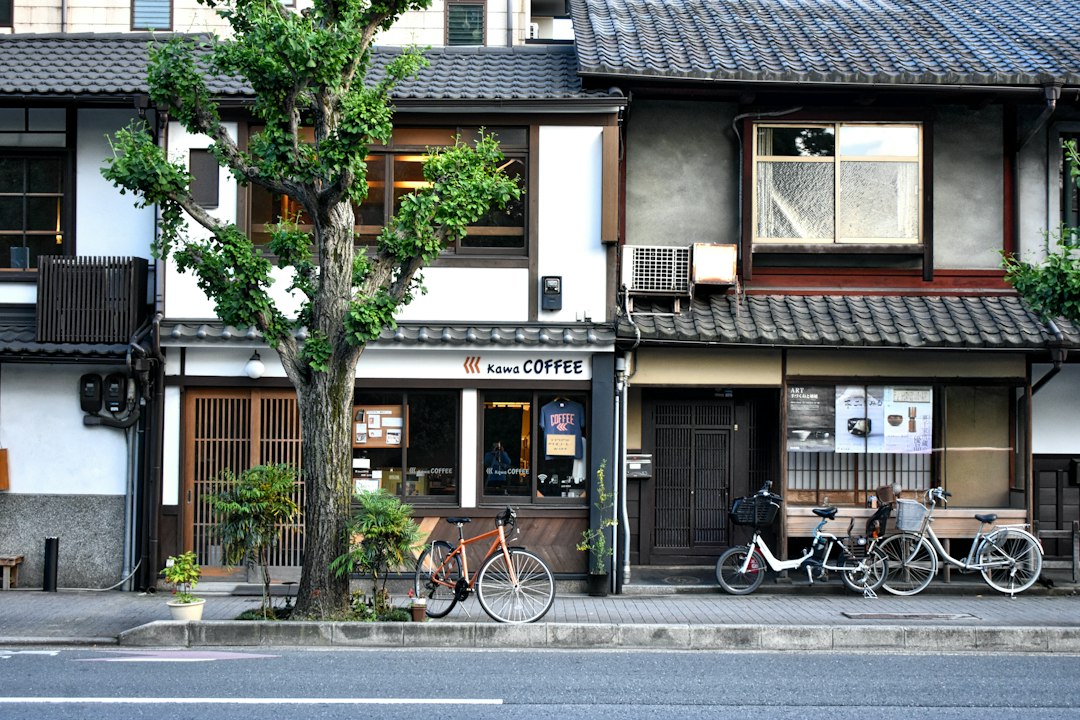
The south side, along and just off Itsukaichi-kaido, has maybe a third as many shops as the north side, but it’s where you’ll find the larger-format dealers — warehouse-style spaces selling bigger furniture pieces that wouldn’t fit in a north-side storefront. There’s less foot traffic here, which also means less competition if you’re after something specific like a Showa-era glass display cabinet. It’s a 7–8 minute walk from the south exit to the furthest shops in this cluster, past ordinary apartment blocks with no signage telling you you’re in the right place — this is genuinely a residential neighborhood that happens to have antique dealers in it, not a built-for-tourists shopping street.
The Nishi-Ogi Antique Festa
Twice a year, typically one weekend in spring (around May) and one in autumn (around October), dozens of the neighborhood’s shops and visiting dealers set up folding tables directly on Ten Ten Shotengai and the surrounding lanes for the Nishi-Ogi Antique Festa. This is the one time prices get slightly more negotiable and you can compare dozens of dealers’ stock side by side without ducking in and out of individual shops. Exact dates change year to year and are usually posted on shop windows a month or so in advance — there’s no single official website that reliably lists them, so the only sure way to catch it is to ask a shop owner on an earlier visit, or check the Suginami Ward tourism association’s seasonal event listings closer to the date.
Where to Eat Between Shops
Shopping here is slow — most people spend half a day ducking in and out of small shops — so plan a food stop. Nishi-Ogikubo has a disproportionate number of small coffee stands and bakeries for its size, a side effect of the same creative crowd that runs the antique shops. A short coffee break at one of the stands tucked into the backstreets north of the station is enough; you don’t need a sit-down meal to keep going, though the area also has a handful of ramen counters near the north exit if you want something heartier before the walk back to the station.
Practical Tips for Antique Shopping Here
- Cash is strongly preferred, and some of the smallest shops don’t accept cards at all. Bring enough yen — there are convenience store ATMs near the station if you run short.
- Many shops close on Mondays or Tuesdays, and some operate on a reduced, weekends-only schedule. A weekday afternoon visit risks finding your target shop shuttered.
- For furniture too large to carry, ask the shop about domestic courier shipping (takkyubin) within Japan — most can arrange it, but almost none ship internationally, so factor that into what you buy if you’re flying home.
- Aisles are narrow and stock is dense; large suitcases or strollers are genuinely impractical inside most shops.
- Photography inside shops is often fine but ask first — some dealers are protective of how their curated stock is shown online.
One Thing to Know Before You Go
Don’t treat this as a guaranteed-haul destination the way you might treat a flea market. Stock turns over slowly, individual shops carry only one of most items, and a shop that had exactly the Showa-era lamp you wanted last month may simply not have it — or anything like it — this time. The neighborhood rewards browsing without an agenda more than it rewards a shopping list. If you do have your heart set on a specific category of item, visit on a weekday morning shortly after shops open around noon; by Saturday afternoon, the better pieces at the well-known shops have often already been picked over by regulars who live in the area and check in weekly.
Photo by Rob Maxwell on Unsplash