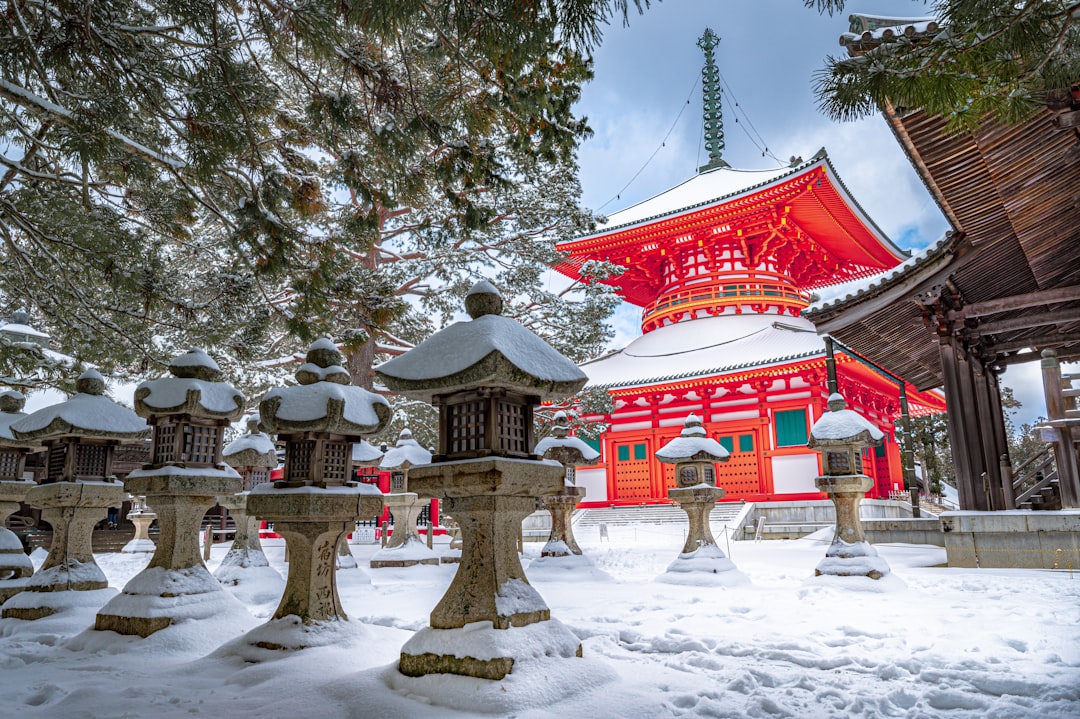
Planning a winter or New Year trip to Japan? Between snow-dusted temples, dazzling illumination displays, and the once-a-year excitement of hatsumode (the first shrine visit of the year), the season is one of the most magical times to visit the country. But Japan’s winter climate varies dramatically by region, and the New Year holiday period brings its own unique packing considerations — from thermal layers for freezing shrine queues to gift-giving etiquette items. This guide covers everything you need to pack for a comfortable, well-prepared winter trip to Japan.
Understanding Japan’s Winter Climate
Before packing your suitcase, it helps to understand that “winter in Japan” is not one-size-fits-all. Tokyo, Osaka, and Kyoto experience cold but relatively dry winters with occasional light snow, while Hokkaido and the Sea of Japan coast (Toyama, Niigata, Kanazawa) see heavy, persistent snowfall. Meanwhile, Okinawa stays mild year-round. If your itinerary spans multiple regions, you’ll need a flexible layering strategy rather than a single “winter uniform.”
Typical Winter Temperatures
- Tokyo/Osaka/Kyoto: Daytime highs around 5-12°C (41-54°F), nights near or below freezing
- Hokkaido/Tohoku/Sea of Japan coast: Daytime highs often below freezing, heavy snow accumulation
- Kyushu/Okinawa: Mild, rarely below 10°C (50°F)
The Layering System: Your Winter Packing Foundation
The smartest way to pack for Japan’s winter is to think in layers rather than bulky single garments. This lets you adjust to overheated trains, warm shopping malls, and freezing outdoor shrine queues throughout the same day.
Base Layer
Thermal tops and leggings are essential. Japanese brand Uniqlo’s HEATTECH line is famous worldwide and widely available in Japan itself, so you can even buy extra layers on arrival if you’re traveling light. Pack at least 2-3 sets so you can rotate while others dry.
Mid Layer
A warm fleece, wool sweater, or lightweight down vest works well as insulation. Merino wool is ideal since it retains warmth even when damp and resists odor over multiple wears.
Outer Layer
A windproof, water-resistant coat is non-negotiable, especially if you’re visiting snowy regions or attending outdoor New Year events. A packable down jacket is a favorite among travelers because it provides excellent warmth without taking up much luggage space. Look for one rated for at least -5°C to 0°C comfort if you’re heading north.
Essential Clothing Checklist
- Thermal base layers (tops and bottoms) x2-3 sets
- Warm sweater or fleece
- Insulated, waterproof winter coat
- Water-resistant, insulated boots with good grip (crucial for icy sidewalks in snow regions)
- Wool socks (pack extra — wet feet ruin a day fast)
- Gloves (touchscreen-compatible if you want to use your phone outdoors)
- Scarf or neck warmer
- Warm hat or beanie
- Thermal leggings to wear under jeans or trousers
- Comfortable walking shoes for milder city days
Don’t Forget These Small but Crucial Items
Several small accessories make a huge difference in comfort during a Japan winter trip:
- Disposable hand and body warmers (kairo): These stick-on heat packs are a Japanese winter essential, sold everywhere from convenience stores to drugstores. They’re incredibly cheap and effective for long outdoor waits, such as hatsumode shrine queues.
- Lip balm and moisturizer: Japan’s dry winter air combined with indoor heating can be brutal on skin.
- Portable heating packs for shoes: Useful if you’ll be standing in snow for extended periods, like at winter illumination events or ski resorts.
- A compact umbrella: Winter in coastal and mountain regions can bring sudden snow flurries or sleet.
- Reusable water bottle: Many stations and rest areas have hot water dispensers, so you can enjoy warm drinks on the go.
Packing for New Year Specifically
If your trip coincides with the New Year holiday period (late December through early January), there are a few extra things worth considering:
Attire for Hatsumode
Hatsumode, the first shrine or temple visit of the year, draws enormous crowds nationwide. You’ll likely be standing outdoors for a long time, sometimes over an hour, so prioritize warmth over style: thermal layers, a heavy coat, gloves, and hand warmers are far more valuable than fashionable but thin clothing. Comfortable, non-slip footwear is also important since shrine grounds can be icy or crowded with gravel paths.
Business Closures
Many restaurants, shops, and even some ATMs close for several days around New Year. Pack a few extra snacks, any essential medications, and make sure you have enough cash, since some smaller establishments may not accept cards during this period.
Gift-Giving Considerations
If you’ll be visiting Japanese friends, hosts, or business contacts during the New Year period, consider packing a small, nicely wrapped gift from your home country. This aligns with the Japanese custom of omiyage (souvenir gift-giving) and is especially appreciated during the New Year season.
Crowd Avoidance Strategies for Winter and New Year Travel
Winter and New Year are popular times to visit Japan, particularly around illumination season (roughly November through February) and the New Year holiday itself. To make the most of your trip:
- Visit famous illumination displays on weeknights rather than weekends to avoid the heaviest crowds.
- For hatsumode, consider visiting a shrine on January 2nd or 3rd in the early morning or late evening rather than at midnight on January 1st, when the largest shrines see massive lines.
- Book accommodations and shinkansen tickets well in advance, as the New Year period is one of the busiest domestic travel windows in Japan.
- Choose slightly less famous shrines or temples for a more relaxed hatsumode experience with shorter waits.
Indoor Comfort: Kotatsu and Heated Spaces
One pleasant surprise for winter visitors is how effectively Japanese homes, ryokan, and cafes combat the cold indoors. Many traditional accommodations feature a kotatsu — a low table with a heated blanket underneath — perfect for warming up after a day in the cold. Because indoor spaces are often very warm, packing layers you can easily remove (rather than one thick sweater) helps you avoid overheating once you step inside from the cold.
Electronics and Practical Extras
- Universal power adapter (Japan uses Type A plugs, 100V)
- Portable phone charger, since cold weather drains batteries faster
- Compact tissue packs and hand sanitizer (public restrooms don’t always provide paper towels or tissues)
- A day pack for carrying layers you remove throughout the day
What Not to Overpack
Because Uniqlo, GU, and other affordable clothing stores are widely available throughout Japan, you don’t need to overpack heavy layers “just in case.” Many travelers successfully buy an extra HEATTECH layer or gloves upon arrival rather than filling their suitcase before departure. This is a great strategy if you’re worried about luggage weight or want extra space for souvenirs.
Final Packing Checklist Summary
- Thermal base layers x2-3
- Fleece or wool mid layer
- Waterproof insulated coat
- Waterproof boots with grip
- Gloves, scarf, warm hat
- Hand warmers (kairo)
- Lip balm and moisturizer
- Cash for New Year closures
- Small gift for hosts, if applicable
- Universal adapter and portable charger
With the right layers, a few strategic accessories, and some crowd-avoidance planning, a Japan winter or New Year trip can be one of the most rewarding travel experiences of your life — snow-covered temples, glowing illuminations, and the quiet excitement of a new year beginning, all without shivering through it.
Photo by Samuel Berner on Unsplash