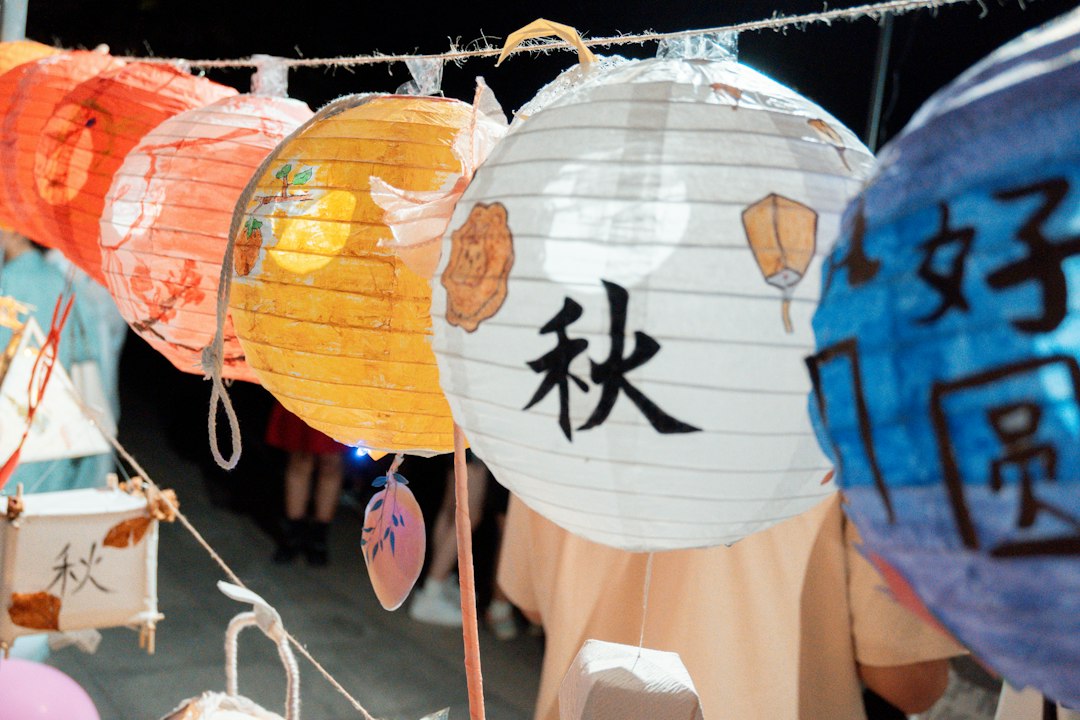
Introduction: When Autumn Nights Turn to Gold
As summer’s humidity fades and the air turns crisp, rural Japan begins to glow. Across mountain villages, riverside towns, and terraced rice fields, thousands of paper and bamboo lanterns are lit each autumn, illuminating shrine paths, temple grounds, and narrow cobblestone streets. These autumn lantern festivals, often called toro matsuri or chochin matsuri, are among Japan’s most enchanting yet overlooked seasonal events. Unlike the crowded cherry blossom season or the neon spectacle of Tokyo, these festivals unfold quietly in the countryside, offering travelers an intimate glimpse into local traditions, harvest gratitude rituals, and centuries-old craftsmanship.
This guide explores why autumn lantern festivals deserve a spot on your Japan itinerary, highlights some of the most memorable rural celebrations, and shares practical tips for experiencing them like a local rather than a tourist passing through.
Why Autumn Lantern Festivals Are Special
Lantern festivals in Japan trace their origins to Buddhist and Shinto traditions, often linked to honoring ancestors, celebrating the rice harvest, or praying for good fortune before winter. In rural areas, these events are deeply woven into community life. Local families, shrine caretakers, and volunteer groups spend weeks preparing hand-painted lanterns, many featuring calligraphy, seasonal motifs, or family crests passed down for generations.
What makes these festivals particularly magical is the setting. Instead of festival floats moving through skyscraper-lined avenues, you’ll find lantern-lit paths winding through rice paddies, along riverbanks reflecting the flickering glow, or up stone staircases leading to centuries-old shrines. The combination of cooler autumn air, the scent of grilled seasonal snacks, and the soft amber light of thousands of lanterns creates an atmosphere that feels both nostalgic and otherworldly.
Top Rural Lantern Festivals to Experience
1. Yamagata’s Hidden Mountain Lantern Walks
In the mountainous regions of Yamagata Prefecture, small villages hold lantern-lit processions that wind through narrow farming lanes. These events are often tied to harvest thanksgiving ceremonies, with locals carrying lanterns to shrines nestled deep in the hills. Visitors who venture here will notice the absence of large crowds, replaced instead by a close-knit community atmosphere where everyone seems to know one another.
2. Gifu’s Riverside Lantern Floating
Gifu Prefecture, known for its traditional thatched-roof villages, hosts autumn lantern-floating ceremonies along quiet rivers. Paper lanterns are gently released onto the water at dusk, drifting past reflections of old wooden houses. This ritual is often performed to honor ancestral spirits and mark the changing season, making it a deeply spiritual experience for those seeking more than just visual spectacle.
3. Nagano’s Terraced Rice Field Illuminations
In parts of Nagano, farmers celebrate the end of the rice harvest by lining terraced paddies with small lanterns after the fields have been cleared. The result is a breathtaking view from hillside vantage points, where golden lantern light mirrors the shapes of the harvested terraces below. These events are rarely advertised outside the local region, making them a true hidden gem for adventurous travelers.
4. Kyoto’s Quiet Countryside Temples
While central Kyoto draws massive crowds during autumn foliage season, temples on the city’s outskirts and in nearby rural towns host their own understated lantern events. Pathways lined with hundreds of lanterns lead visitors through temple gardens as maple leaves turn crimson overhead, offering a peaceful alternative to the bustling city center.
5. Kyushu’s Harvest Lantern Festivals
In the southern island of Kyushu, small agricultural towns celebrate the rice harvest with lantern festivals that blend Shinto rituals, traditional taiko drumming, and communal feasting. These festivals often include locally grown produce stalls, giving visitors a taste of the region’s autumn harvest alongside the visual beauty of the lanterns.
What to Expect: Atmosphere, Food, and Customs
Rural lantern festivals differ significantly from urban festivals in both scale and spirit. Expect smaller crowds, a slower pace, and genuine warmth from local residents who are often eager to explain the history behind their traditions. Many festivals include:
- Hand-crafted paper lanterns painted by local schoolchildren, artisans, or shrine volunteers
- Seasonal street food stalls serving roasted chestnuts, sweet potatoes, and warm amazake (a traditional fermented rice drink)
- Traditional music performances, including taiko drumming or shamisen playing
- Small processions or lantern-carrying walks led by shrine priests
- Opportunities to write wishes or prayers on lantern paper before lighting
Because these events are community-driven, visitors are often welcomed to participate directly, whether by helping light a lantern or joining a communal dance. This level of interaction is rarely possible at larger, more commercialized festivals in major cities.
Tips for Visiting Rural Lantern Festivals
- Check local tourism offices: Many rural lantern festivals are not widely publicized online, so contacting regional tourism boards or ryokan owners can reveal exact dates and locations.
- Dress warmly: Autumn evenings in rural mountain areas can turn chilly quickly once the sun sets, especially at higher elevations.
- Bring cash: Small food stalls and local vendors in rural areas often do not accept cards.
- Arrive early: While crowds are smaller than in cities, prime viewing spots along rivers or shrine paths can still fill up as dusk approaches.
- Respect local customs: These festivals often carry spiritual significance, so it’s important to be mindful when photographing rituals or approaching shrine areas.
- Stay overnight if possible: Public transportation in rural areas can be limited after dark, so booking a nearby minshuku or ryokan ensures you won’t miss the festival’s most magical hours.
Best Time to Go
Autumn lantern festivals generally take place as the rice harvest concludes and the weather cools, a period that varies slightly by region and elevation. Northern and mountainous areas tend to hold their festivals earlier in the season, while southern regions often celebrate a bit later. Because exact dates can shift each year based on the lunar calendar or local harvest timing, it’s best to confirm schedules through prefectural tourism websites or local accommodations shortly before your trip.
How to Get There
Most rural lantern festivals are located outside major train lines, so reaching them typically requires a combination of shinkansen travel to a regional hub followed by local trains, buses, or rental cars. While this may require more planning than a typical city excursion, the reward is an authentic, uncrowded cultural experience increasingly rare in Japan’s more famous destinations.
Conclusion: A Quieter Kind of Magic
Autumn lantern festivals in rural Japan offer something increasingly precious for modern travelers: a slow, intimate encounter with tradition, community, and natural beauty. Far from the crowds of major tourist attractions, these glowing celebrations invite visitors to sit quietly by a river, watch lanterns drift past reflections of maple leaves, and feel the warmth of a community welcoming autumn’s arrival. For travelers seeking a deeper, more meaningful connection to Japan’s seasonal culture, these hidden lantern festivals are well worth the journey.
Photo by Hongwei FAN on Unsplash