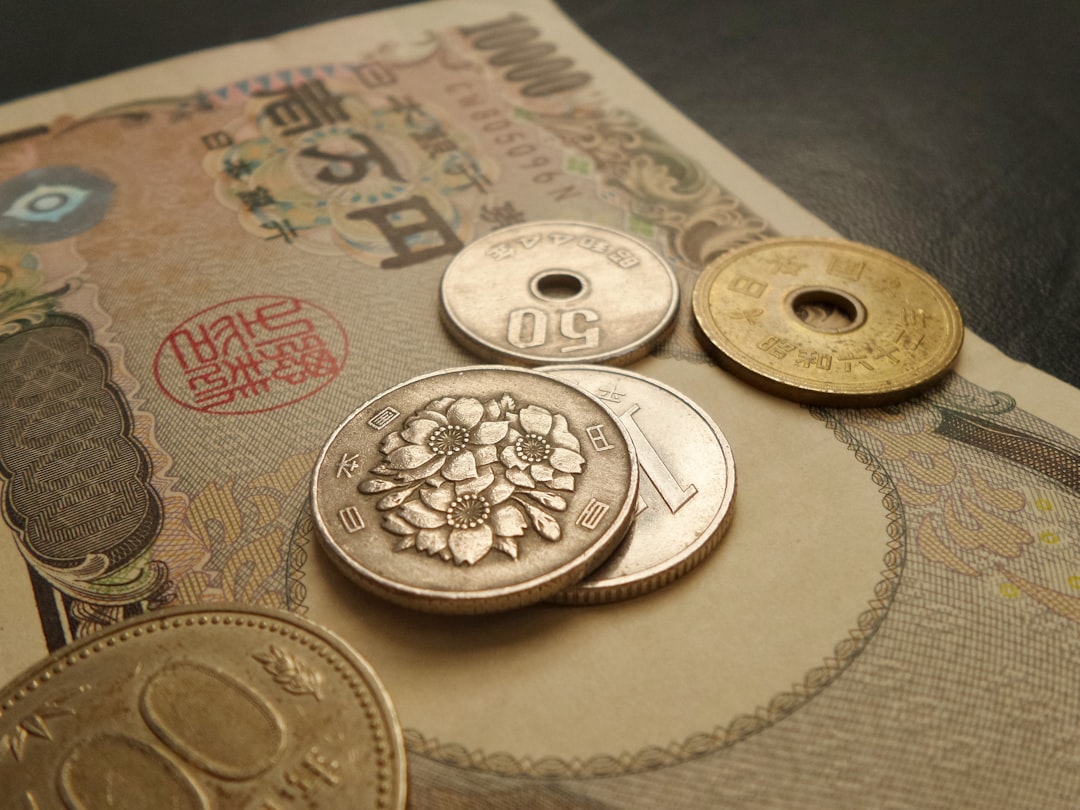
Planning a trip to Japan in 2026? One of the smartest ways to stretch your travel budget is to compare currency exchange rates before you convert a single yen. With the yen’s value fluctuating throughout 2026 due to global interest rate shifts, using the right app can save you anywhere from 3% to 8% compared to airport kiosks or hotel exchange counters. In this guide, we break down the best apps to compare currency exchange rates in Japan as of 2026, plus practical tips on IC cards, tax-free shopping, and JR Pass budgeting.
Why Comparing Exchange Rates Matters in 2026
Exchange rates change by the minute, and the spread between the ‘real’ mid-market rate and what banks or airport counters offer can be surprisingly large. Airport currency exchange booths in Narita, Haneda, or Kansai International often charge a markup of 5-10% above the interbank rate, plus flat service fees. By using dedicated comparison apps, travelers can identify the best real-time rates, track historical trends, and even set alerts for when the yen hits a favorable level against the US dollar, euro, or other currencies.
Top Apps to Compare Currency Exchange Rates in Japan (2026 Edition)
1. Wise (formerly TransferWise)
Wise remains one of the most trusted apps for transparent, mid-market exchange rates with low, clearly disclosed fees. In 2026, Wise continues to offer a multi-currency card that works seamlessly at Japanese ATMs and point-of-sale terminals, letting you hold yen balances and convert money instantly within the app. It’s ideal for comparing the true cost of converting cash before you land in Japan.
2. Revolut
Revolut’s app lets you view live interbank rates for JPY conversions and offers fee-free exchange up to a monthly limit on standard plans. Its in-app rate alerts are particularly useful for travelers monitoring the yen in the weeks leading up to their trip, helping you decide the optimal moment to load your travel card.
3. XE Currency Converter
XE remains the go-to free app purely for rate comparison. While it doesn’t process transactions, its historical charts and rate alerts help you understand whether current bank or ATM offers in Japan are competitive. Many travelers use XE alongside Wise or Revolut to double-check real-time pricing.
4. Currencies by Coinbase-style Trackers and OANDA
OANDA’s app is popular with frequent business travelers to Japan for its precise historical data and rate charts, useful for comparing whether a specific ATM withdrawal fee is reasonable given the day’s mid-market rate.
5. Sony Bank WALLET and Prestia (SMBC Trust Bank)
For longer stays or repeat visitors, Sony Bank WALLET offers a multi-currency debit card with competitive JPY conversion rates directly usable in Japan, while Prestia’s app provides rate comparison tools tailored to residents and long-term visitors managing yen alongside other currencies.
6. Seven Bank ATM App
Seven Bank, found in nearly every 7-Eleven across Japan, has an app showing live ATM exchange rates and locations. As of 2026, Seven Bank ATMs remain one of the most reliable and widely available options for foreign card withdrawals, often beating traditional currency exchange counters on rate transparency.
IC Cards and Digital Payments: What’s New in 2026
While comparing cash exchange rates is important, many travelers in 2026 rely heavily on IC cards like Suica and Pasmo for daily transport and convenience store purchases. As of 2026, mobile Suica and Pasmo support has expanded further for foreign-issued Visa and Mastercard credit cards via Apple Pay and Google Wallet in select regions, though compatibility can still vary by card issuer and device. It’s recommended to check the official Suica and Pasmo websites before your trip to confirm current compatibility, as physical IC cards purchased at stations remain the most universally reliable option for tourists, especially at JR East ticket machines.
Airport Exchange vs City Exchange vs Apps
Airport counters offer convenience but rarely the best rates. City-based exchange counters in areas like Shinjuku, Shibuya, or Osaka’s Namba district, such as Daikokuya or World Currency Shop, often provide noticeably better rates than airports, sometimes only 1-3% above mid-market. However, using a Wise or Revolut card directly at ATMs frequently proves cheaper overall once you factor in convenience and reduced need to carry large amounts of cash.
Tax-Free Shopping Tips in 2026
Japan’s consumption tax remains at 10% (8% for select food and beverage items) as of 2026. Tourists can still enjoy tax-free shopping at eligible stores by presenting their passport at the time of purchase, provided the total spend meets the minimum threshold (typically 5,000 yen before tax at most retailers). Always check current thresholds and store eligibility signage, as tax-free rules and minimums are periodically reviewed by Japanese authorities, so confirming with official sources like the Japan National Tourism Organization is wise before a shopping spree.
JR Pass and Budgeting Considerations
Remember that the Japan Rail Pass price increase implemented in October 2023 remains in effect as of 2026, making the pass considerably pricier than pre-2023 rates. When budgeting your trip, factor in JR Pass costs alongside your currency exchange strategy, since a favorable exchange rate can help offset the higher transportation expenses. Always compare current JR Pass pricing on the official JR website, as regional pass options and prices can shift year to year.
Final Tips for Getting the Best Exchange Rate in Japan
- Use rate comparison apps like XE or OANDA before your trip to understand the current mid-market rate.
- Load a Wise or Revolut card in advance and top up strategically when rates are favorable.
- Avoid airport exchange counters except for small emergency amounts.
- Withdraw cash from Seven Bank or Japan Post Bank ATMs, which typically offer transparent, competitive rates for foreign cards.
- Always check the latest fee structures, as international card networks and Japanese banks periodically update terms.
- Keep a small amount of cash on hand, since many smaller shops, temples, and rural areas in Japan still operate cash-only as of 2026.
Conclusion
Comparing currency exchange rates before and during your trip to Japan in 2026 can make a meaningful difference in your overall travel budget. By combining apps like Wise, Revolut, XE, and OANDA with smart use of IC cards and awareness of tax-free shopping rules, you’ll be well-equipped to get the most value from every yen. Always double-check current rates, fees, and official policies before you travel, since currency markets and Japanese financial regulations can change throughout the year.
Photo by Franck V. on Unsplash