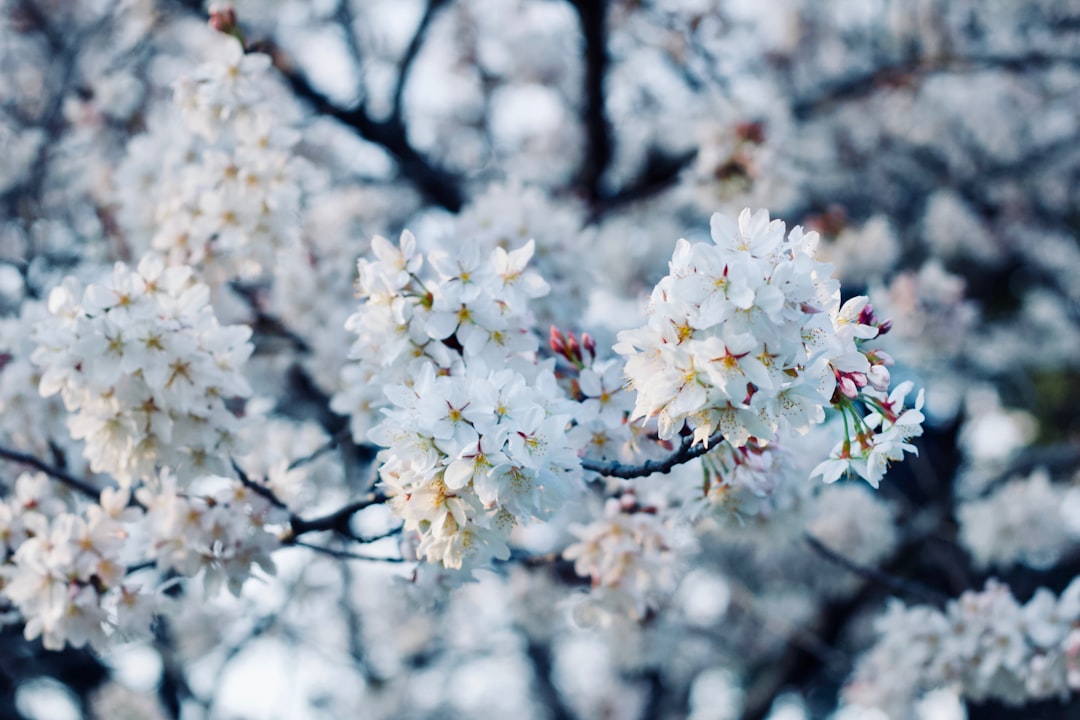

Photo by Jelleke Vanooteghem on Unsplash
Planning your cherry blossom season travel itinerary for Japan in 2026? You’ve chosen the perfect time to experience one of the world’s most spectacular natural phenomena. With updated travel information for 2026, including current visa requirements and transportation options, this comprehensive guide will help you create unforgettable sakura memories across Japan’s most stunning locations.
When to Plan Your 2026 Cherry Blossom Trip
Cherry blossom season in Japan typically runs from late March through early May, with peak blooming times varying by region. For 2026, meteorological forecasts suggest the following approximate blooming periods:
- Okinawa: Mid-January to early February
- Kyushu (Fukuoka): Late March to early April
- Kansai (Kyoto, Osaka): Early to mid-April
- Kanto (Tokyo): Late March to mid-April
- Tohoku: Mid-April to early May
- Hokkaido: Late April to mid-May
Remember that sakura forecasts are updated regularly, so check the Japan Meteorological Corporation’s official predictions closer to your travel date for the most accurate timing.
Essential Travel Preparations for 2026
Visa Requirements and Entry Information
As of 2026, most visitors can enter Japan visa-free for tourism purposes for up to 90 days, including citizens of the US, UK, Canada, Australia, and most EU countries. However, all travelers must complete the Visit Japan Web registration system before arrival, which streamlines immigration and customs procedures.
Transportation: JR Pass and IC Cards
The JR Pass remains an excellent investment for multi-city travel during cherry blossom season. Current 2026 pricing includes:
- 7-day ordinary pass: ¥50,000
- 14-day ordinary pass: ¥80,000
- 21-day ordinary pass: ¥100,000
For local transportation, IC cards like Suica and Pasmo are now fully compatible with foreign-issued credit cards as of 2026, making recharging more convenient than ever. You can also use mobile IC card services through smartphone apps.
10-Day Cherry Blossom Itinerary: Tokyo to Kyoto
Days 1-4: Tokyo and Surroundings
Day 1: Arrival and Shibuya/Harajuku
Arrive in Tokyo and settle into your accommodation. Visit Yoyogi Park in the afternoon for your first sakura experience, then explore the nearby Meiji Shrine grounds, which offer beautiful cherry blossoms in a serene setting.
Day 2: Central Tokyo Parks
Start early at Ueno Park, one of Tokyo’s most famous hanami spots with over 1,000 cherry trees. Visit Ueno Zoo and the nearby museums if weather permits. In the afternoon, head to the Imperial Palace East Gardens for more intimate cherry blossom viewing.
Day 3: Sumida River and Traditional Areas
Take a Sumida River cruise to see sakura from the water, then explore Asakusa’s Sensoji Temple surrounded by cherry blossoms. End the day in Yanaka, a traditional neighborhood with charming tree-lined streets perfect for evening strolls.
Day 4: Day Trip to Nikko or Kamakura
Choose between Nikko’s mountain cherry blossoms (later season, perfect for late April visits) or Kamakura’s coastal sakura combined with historic temples. Both destinations are easily accessible with your JR Pass.
Days 5-6: Mount Fuji Region
Day 5: Lake Kawaguchi
Travel to the Fuji Five Lakes region for the iconic Mount Fuji and cherry blossoms combination. Stay overnight in a traditional ryokan for the full Japanese experience. The northern shores of Lake Kawaguchi offer spectacular photo opportunities.
Day 6: Hakone and Onsen
Explore Hakone’s hot springs and cherry blossoms. Take the scenic Hakone Loop route including the ropeway and pirate ship cruise. Many outdoor onsen offer cherry blossom views while you soak.
Days 7-10: Kyoto and Osaka
Day 7: Travel to Kyoto – Eastern Temples
Take the shinkansen to Kyoto and visit the Philosopher’s Path (Tetsugaku-no-michi), lined with hundreds of cherry trees. Explore nearby temples like Ginkaku-ji and Nanzen-ji, both offering excellent sakura viewing spots.
Day 8: Kyoto’s Famous Sakura Spots
Visit Kiyomizu-dera Temple for panoramic city views framed by cherry blossoms, then explore the historic Gion district. End at Maruyama Park for evening hanami parties with locals.
Day 9: Arashiyama and Fushimi
Morning in Arashiyama to see the famous bamboo grove and riverside cherry blossoms. Afternoon at Fushimi Inari Shrine, where cherry trees create beautiful contrasts with the thousands of red torii gates.
Day 10: Osaka Day Trip
Visit Osaka Castle Park, one of Japan’s most popular hanami spots with over 4,000 cherry trees. Explore Osaka’s famous food scene in Dotonbori before departing.
Alternative Northern Route: Following the Cherry Blossom Front
For travelers visiting in late April or May, consider following the sakura front north:
Sendai and Tohoku Region (Days 7-9)
Replace the Kyoto portion with Sendai’s Nippori Park and the famous Shiroishi River, where over 1,000 cherry trees create a stunning pink tunnel. This region is less crowded and offers authentic rural Japanese experiences.
Hokkaido Extension (Days 10-12)
If traveling in early May, extend your trip to Hokkaido. Sapporo’s Maruyama Park and the famous Goryokaku Park in Hakodate offer the season’s final spectacular cherry blossoms against a backdrop of snow-capped mountains.
Accommodation Tips for Cherry Blossom Season
Book accommodations well in advance, as cherry blossom season is Japan’s peak tourism period. Consider these options:
- Ryokan: Traditional inns often feature gardens with cherry trees
- Hotels with park views: Premium rooms overlooking famous sakura spots
- Alternative areas: Stay slightly outside city centers for better rates and unique experiences
Photography and Hanami Etiquette
Respect local customs while enjoying cherry blossoms:
- Don’t climb trees or shake branches for photos
- Keep hanami areas clean and take trash with you
- Be mindful when photographing people enjoying hanami parties
- Arrive early at popular spots for the best photo opportunities
Budget Considerations for 2026
Cherry blossom season is expensive, so budget accordingly:
- Accommodation: ¥15,000-40,000 per night for quality hotels
- Meals: ¥3,000-8,000 per day depending on dining choices
- Transportation: JR Pass plus local transport ¥5,000-10,000 total
- Activities: Many parks are free, temples charge ¥300-600 entry
Take advantage of tax-free shopping with the current 10% consumption tax exemption for tourists spending over ¥5,500 at participating stores.
Weather and Packing Essentials
Cherry blossom season weather can be unpredictable:
- Pack layers for temperature variations (10-20°C typical)
- Bring rain gear – spring showers are common
- Comfortable walking shoes essential for park exploration
- Portable phone charger for constant photography
Making the Most of Your Cherry Blossom Journey
Your 2026 cherry blossom season travel itinerary should balance popular destinations with lesser-known gems. Consider timing your visit to catch different stages of blooming – from the delicate pink buds to full bloom to the romantic petal fall known as “sakura fubuki” or cherry blossom blizzard.
Remember to book reservations early, stay flexible with your schedule to accommodate weather changes, and most importantly, take time to truly appreciate this fleeting natural wonder that has captivated Japanese culture for centuries. Your cherry blossom adventure in Japan will create memories to last a lifetime.