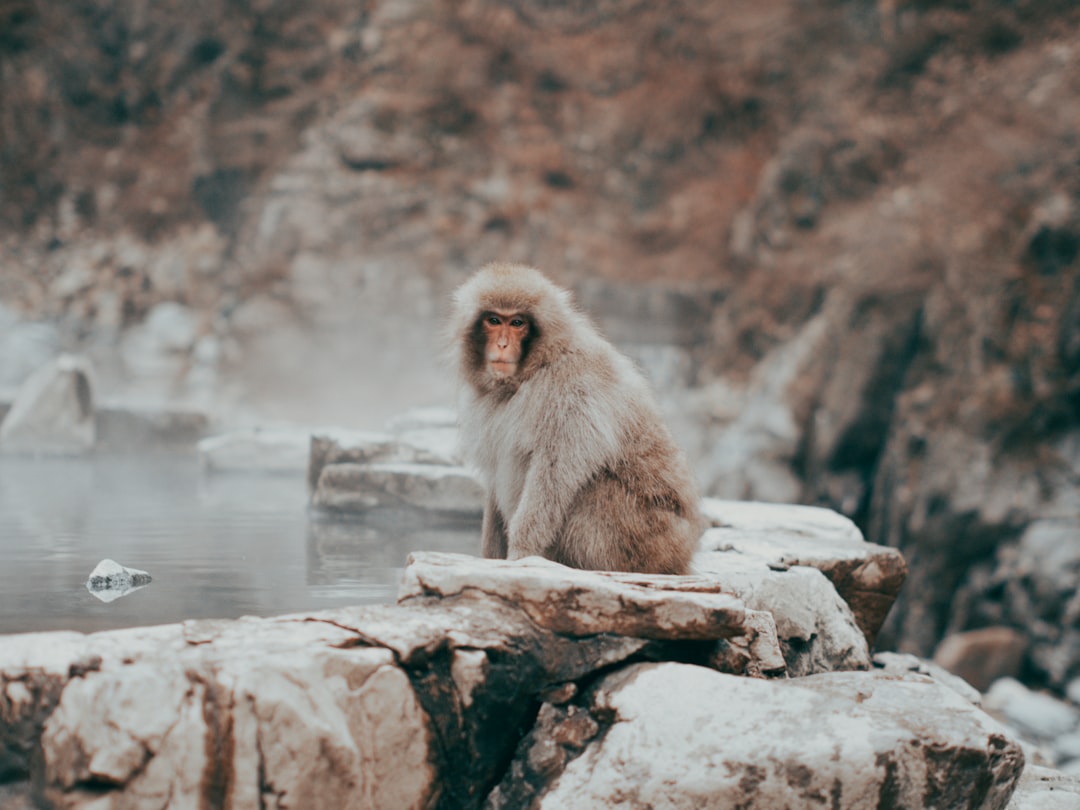

Photo by Ken Smith on Unsplash
Visiting a traditional Japanese onsen (hot spring) is one of Japan’s most relaxing and culturally immersive experiences. However, as of 2026, these sacred bathing spaces continue to maintain strict etiquette rules that visitors must follow to respect local customs and ensure everyone’s comfort. Whether you’re planning your first onsen visit or need a refresher on proper protocol, this comprehensive guide covers everything you need to know about Japanese onsen etiquette.
Understanding Onsen Culture in Japan
Japanese onsen culture dates back over 1,000 years and remains deeply rooted in principles of purification, relaxation, and communal harmony. These natural hot springs are considered sacred spaces where visitors come to cleanse both body and spirit. The mineral-rich waters are believed to have therapeutic properties, making onsen visits as much about health and wellness as they are about cultural tradition.
In 2026, Japan continues to welcome international visitors to experience authentic onsen culture, but understanding and respecting the established rules is essential for a positive experience. Breaking etiquette can result in being asked to leave or, in some cases, being banned from the facility entirely.
Pre-Entry Requirements and Restrictions
Tattoo Policies
One of the most important considerations for visitors is Japan’s traditional stance on tattoos. As of 2026, most public onsen facilities still maintain strict no-tattoo policies, though some have become more flexible. Large, visible tattoos are generally prohibited due to their historical association with organized crime in Japan.
However, the landscape is slowly changing:
- Some modern onsen facilities now allow small tattoos that can be covered with waterproof bandages
- Private onsen rooms (kashikiri-yu) often have more relaxed policies
- Tourist-oriented facilities in major cities may be more accommodating
- Always check specific facility policies before visiting
Health Considerations
Certain health conditions may restrict onsen access for safety reasons:
- Open wounds or cuts
- Contagious skin conditions
- Recent surgical procedures
- Certain heart conditions (consult with medical professionals)
- Pregnancy (some facilities have restrictions, though many allow pregnant women)
Essential Pre-Bathing Etiquette
Entering the Facility
Upon entering an onsen facility, you’ll typically encounter several areas before reaching the actual hot springs. Here’s the proper sequence:
Reception Area: Pay your entrance fee (typically ranging from ¥400-1,500 in 2026) and receive any necessary amenities. Many facilities now accept IC cards like Suica or Pasmo, making payment convenient for international visitors.
Changing Area: Remove all clothing and jewelry in the designated changing room. Store your belongings in the provided lockers. Most facilities provide small towels, but bring your own larger towel for drying off afterward.
What to Bring
Essential items for your onsen visit include:
- Small washing towel (tenugui) – often provided by the facility
- Large drying towel – for use after bathing
- Hair ties – to keep long hair up and out of the water
- Personal toiletries (optional, as most facilities provide basic amenities)
- Waterproof bandages – if you have small tattoos or minor cuts
The Washing Ritual: Mandatory Pre-Bath Cleansing
The most crucial aspect of onsen etiquette is the thorough washing ritual before entering any hot spring bath. This step is non-negotiable and must be completed properly:
Step-by-Step Washing Process
- Sit on a stool: Use the low plastic stools provided at washing stations
- Rinse thoroughly: Use the handheld shower to wet your entire body
- Shampoo and condition: Wash your hair completely, ensuring no soap enters the communal baths
- Body washing: Use soap or body wash to clean your entire body thoroughly
- Final rinse: Rinse off all soap, shampoo, and conditioner completely
- Check twice: Ensure no soap residue remains on your body or hair
Take your time with this process – rushing through the washing ritual is considered disrespectful and unhygienic.
Hot Spring Bathing Protocol
Entering the Bath
Once you’re thoroughly clean, you can enter the onsen baths following these guidelines:
- Test the temperature: Onsen waters can range from 38°C to 45°C (100°F to 113°F). Enter slowly to acclimate
- Enter quietly: Avoid splashing or making loud noises that might disturb other bathers
- Towel placement: Your small towel can be placed on your head or on the side of the bath, never in the water
- Sit properly: Lower yourself gently into the water and avoid swimming or vigorous movement
Behavior in the Bath
While soaking in the onsen, maintain these behavioral standards:
- Quiet conversation: Speak in hushed tones if at all. Many bathers prefer silence
- No photography: Cameras and phones are strictly prohibited in bathing areas
- Respect personal space: Maintain appropriate distance from other bathers
- Hair management: Keep long hair tied up and out of the water at all times
- Hydration: Don’t stay in hot water too long; take breaks to avoid overheating
Special Considerations for Different Bath Types
Indoor vs. Outdoor Baths (Rotenburo)
Many onsen facilities feature both indoor and outdoor bathing options. Outdoor baths (rotenburo) offer the added experience of bathing while enjoying natural scenery, but they come with additional considerations:
- Weather conditions may affect comfort levels
- Be mindful of seasonal wildlife in rural areas
- Sun exposure – consider timing your visit appropriately
- Additional privacy concerns in some locations
Different Mineral Compositions
Onsen waters contain various minerals that may affect sensitive skin:
- Sulfur springs: May have a strong smell but offer skin benefits
- Salt springs: Can be more buoyant but may sting minor cuts
- Iron springs: Often have a reddish color and metallic taste
- Radium springs: Believed to have therapeutic properties
Post-Bathing Etiquette
Exiting the Bath
When you’re ready to leave the onsen:
- Rinse off: Some facilities recommend a quick rinse with regular water after mineral baths
- Dry off partially: Use your small towel to remove excess water before entering the changing area
- Return amenities: Put stools, buckets, and other items back in their proper places
- Be considerate: Keep noise levels low as others are still enjoying their bath
In the Changing Area
Proper changing area etiquette includes:
- Dry off completely before getting dressed
- Keep personal belongings organized and clean up after yourself
- Use hair dryers considerately, being mindful of others waiting
- Dispose of any trash in appropriate receptacles
Modern Onsen Facilities and Technology in 2026
As of 2026, many onsen facilities have incorporated modern amenities while maintaining traditional etiquette:
- Digital payment systems: Most facilities now accept contactless payments and IC cards
- Multi-language signage: Improved English and other language instructions for international visitors
- Enhanced hygiene measures: Continued emphasis on cleanliness following global health awareness
- Booking systems: Many facilities now offer online reservations, especially for private baths
Common Mistakes to Avoid
International visitors often make these etiquette errors:
- Insufficient washing: Rushing through or skipping the pre-bath cleansing
- Towel in water: Allowing any towel or cloth to enter the bath water
- Loud behavior: Speaking too loudly or making excessive noise
- Photography attempts: Trying to take photos or videos in bathing areas
- Ignoring hair rules: Allowing long hair to touch the water
- Inappropriate covering: Attempting to wear swimwear or cover up with towels while bathing
Regional Variations and Special Facilities
Different regions of Japan may have slight variations in onsen customs:
- Hokkaido: Often features larger outdoor baths due to the snowy climate
- Kyushu: Home to many therapeutic hot springs with specific mineral properties
- Tokyo area: More tourist-friendly facilities with flexible policies
- Rural areas: May have more traditional, strict adherence to customs
Planning Your Onsen Visit in 2026
When planning your onsen experience, consider these practical tips:
- Research beforehand: Check facility policies, especially regarding tattoos and operating hours
- Timing: Visit during off-peak hours for a more relaxed experience
- Language preparation: Learn basic Japanese phrases related to onsen etiquette
- Health considerations: Consult with healthcare providers if you have any medical concerns
- Budget planning: Factor in entrance fees, transportation, and any additional services
Following proper Japanese onsen etiquette ensures that this centuries-old tradition continues to provide peace, relaxation, and cultural connection for all visitors. By respecting these customs, you’ll not only have a more authentic experience but also contribute to preserving this beautiful aspect of Japanese culture for future generations. Remember that onsen etiquette is about mutual respect, cleanliness, and maintaining the serene atmosphere that makes these hot spring baths so special.