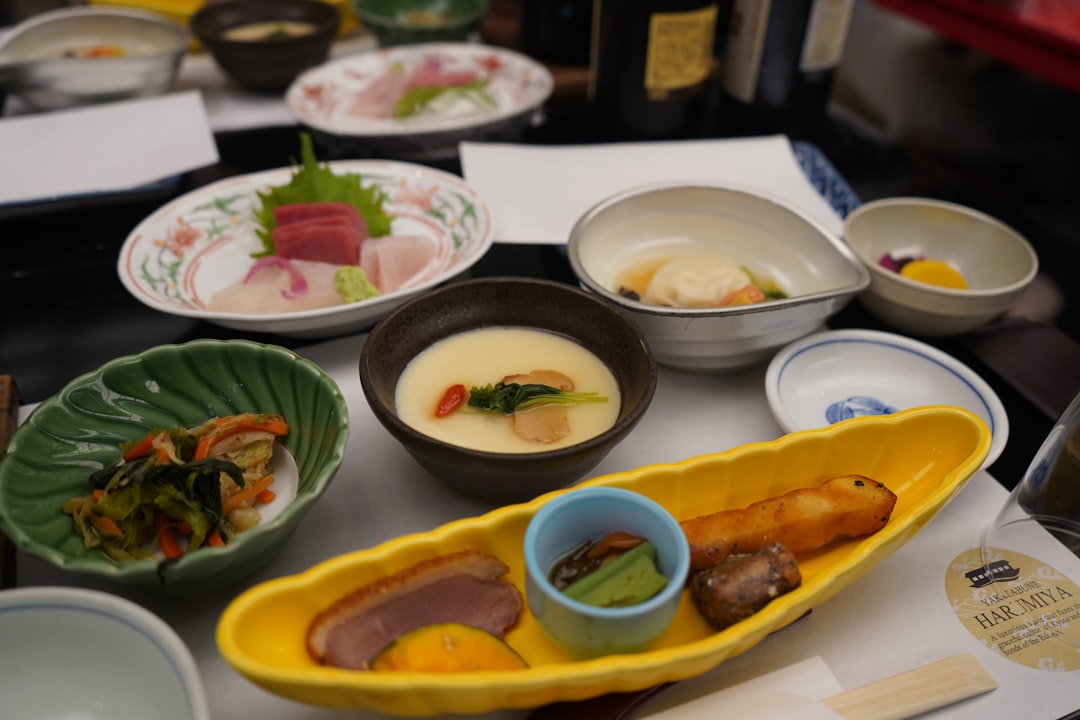

Photo by Yosuke Ota on Unsplash
What Is Kaiseki Cuisine?
Kaiseki (懐石) is often described as the pinnacle of Japanese haute cuisine, a multi-course meal that transforms dining into a meditative art form. Rooted in the tea ceremony tradition, kaiseki emphasizes seasonality, balance, and the beauty of subtle presentation. Unlike a casual izakaya night or a quick bowl of ramen, kaiseki is meant to be savored slowly, with each course revealing a new texture, flavor, and visual composition tied to the current season.
Because kaiseki carries centuries of cultural weight, dining at a kaiseki restaurant (called a ryotei) involves a distinct set of customs. Understanding these customs not only prevents awkward moments but also deepens your appreciation for the meal itself. This guide walks you through everything from arrival to departure, so you can enjoy this refined culinary experience with confidence.
The Origins of Kaiseki Etiquette
Kaiseki traces its roots to the simple, austere meals served before formal tea ceremonies, designed to prepare the palate and stomach for bitter matcha. Over time, it evolved into an elaborate culinary tradition served in ryokan (traditional inns) and specialty restaurants. Because of its ties to tea ceremony philosophy, kaiseki etiquette borrows heavily from concepts like wabi-sabi (finding beauty in imperfection and transience) and omotenashi (selfless hospitality). Every custom, from how you hold your chopsticks to when you speak, reflects respect for the chef’s effort and the natural ingredients on your plate.
Before You Arrive: Preparation Matters
Dress Appropriately
While you do not need formal kimono attire, smart casual clothing is expected. Avoid overly casual items like flip-flops, athletic wear, or heavily scented perfume, which can interfere with the delicate aromas of the food. Many ryotei have a refined, quiet ambiance, so dressing thoughtfully shows respect for the setting.
Arrive on Time, Not Early or Late
Punctuality is crucial in Japanese dining culture. Arriving significantly early can inconvenience staff who are still preparing the room, while arriving late disrupts the carefully timed sequence of courses. Aim to arrive five to ten minutes before your reservation.
Understand the Reservation System
High-end kaiseki restaurants often require reservations well in advance, sometimes only accepting bookings through a hotel concierge or an existing customer’s introduction. This exclusivity is part of the tradition, ensuring the chef can plan the menu precisely around the number of guests and seasonal ingredients available.
Entering the Restaurant
Upon arrival, you may be greeted with a bow and asked to remove your shoes before stepping onto tatami flooring. Always place your shoes neatly, pointing toward the exit, a small gesture that reflects mindfulness. If you are shown to a private tatami room, you will typically sit in seiza (kneeling position) or on a cushion, though many restaurants now offer low tables with a leg well for added comfort.
Seating Etiquette
In traditional settings, the seat of honor (kamiza) is located farthest from the entrance, often facing a tokonoma alcove displaying seasonal art or flowers. Guests of higher status or older age are typically guided to this seat. If you are unsure where to sit, wait for your host or the staff to direct you rather than choosing a seat yourself.
The Flow of a Kaiseki Meal
A traditional kaiseki meal unfolds in a specific sequence, each course designed to highlight a different cooking technique and seasonal ingredient. While exact courses vary by region and chef, the general order includes:
- Sakizuke – a small appetizer, similar to an amuse-bouche
- Hassun – a seasonal course reflecting the current time of year, often combining a small seafood and mountain vegetable pairing
- Mukozuke – a sashimi course
- Takiawase – simmered vegetables and protein, served separately but arranged harmoniously
- Futamono – a soup course, often served in a lidded bowl
- Yakimono – a grilled dish, frequently fish
- Su-zakana – a small palate-cleansing dish, often vinegared
- Shiizakana – a hot pot or simmered dish
- Gohan, Kojiru, Kono-mono – rice, miso soup, and pickles served together
- Mizumono – a seasonal dessert, often fruit or a light sweet
Understanding this progression helps you pace yourself and appreciate why each dish arrives in a specific order rather than being served all at once.
Chopstick and Table Manners
Chopstick Etiquette
Never stick chopsticks upright into rice, as this mimics a funeral ritual. Avoid passing food directly from your chopsticks to another person’s chopsticks, another gesture associated with funerary customs. When not in use, rest your chopsticks on the provided chopstick rest rather than laying them across your bowl.
How to Handle Small Dishes
It is acceptable and often expected to lift small bowls, such as soup or rice bowls, closer to your mouth while eating. However, larger plates should remain on the table. This distinction helps you avoid spilling food while maintaining elegant posture.
Pacing Yourself
Kaiseki is meant to be eaten slowly. Rushing through courses is considered disrespectful to the chef’s craftsmanship. Take time to observe the plating, the color palette, and the garnish before taking your first bite. Many guests find it helpful to ask their server about the ingredients or preparation method, which is both polite and enriching.
Drinking Etiquette During Kaiseki
Sake, or occasionally seasonal cocktails and fine wine, is often paired with kaiseki courses. When pouring drinks for others, hold the bottle with both hands as a sign of respect, and allow others to pour for you rather than filling your own cup. If you do not wish to drink more, leave your cup partially full rather than turning it upside down, which can be seen as an unusual or overly formal gesture in casual settings.
Conversation and Atmosphere
Kaiseki dining is generally a quiet, contemplative experience. Loud conversation, phone use, or flash photography can disrupt the atmosphere for other diners and detract from the chef’s intended experience. It is common to speak in a soft, unhurried tone, especially in traditional ryotei with thin sliding doors (shoji) separating rooms.
Photography Etiquette
While it is increasingly common to photograph beautifully plated dishes, always ask staff for permission first, especially in traditional establishments. Avoid using flash, which can be jarring in the dim, intimate lighting typical of these spaces.
Finishing the Meal Gracefully
When you finish eating, it is polite to return your chopsticks to their rest and place the chopstick wrapper back over them if provided. Saying “gochisousama deshita,” meaning “thank you for the meal,” to the chef or staff is a meaningful way to express appreciation. Unlike some Western dining cultures, tipping is not customary in Japan and can even cause confusion or be politely declined.
Common Mistakes to Avoid
- Rearranging or mixing dishes that are meant to be eaten separately
- Adding excessive soy sauce or condiments without tasting the dish first
- Speaking loudly or using phones at the table
- Rushing through courses instead of savoring each one
- Forgetting to thank the chef or host at the end of the meal
Why Etiquette Matters in Kaiseki Dining
Kaiseki is more than a meal, it is a cultural performance that reflects Japanese values of respect, seasonality, and mindfulness. By understanding and honoring these customs, diners not only avoid embarrassment but also unlock a deeper connection to the experience. Each gesture, from how you hold your chopsticks to the quiet appreciation of a beautifully plated dish, becomes part of a larger conversation between guest, chef, and tradition.
Final Thoughts
Whether you are visiting a historic ryotei in Kyoto or a modern kaiseki restaurant in Tokyo, approaching the meal with patience, curiosity, and respect will make your experience far more rewarding. Kaiseki dining etiquette is not about rigid rules but about cultivating awareness, of the season, the craftsmanship, and the shared experience of a meal designed to be remembered long after the last course is served.