
Photo by Takafumi Yamashita on Unsplash
What Is Kaiseki? Understanding Japan’s Haute Cuisine
Kaiseki (懐石) is often described as Japan’s answer to fine dining, a meticulously choreographed multi-course meal that celebrates seasonality, balance, and craftsmanship. Unlike a Western tasting menu, kaiseki is deeply rooted in the philosophy of the tea ceremony, where every gesture, utensil, and pause carries meaning. For visitors to Japan, experiencing kaiseki is not just about the food—it is a cultural performance that rewards those who understand its unspoken rules.
This guide walks you through the etiquette of kaiseki dining so you can enjoy the experience with confidence, respect, and appreciation for the artistry involved.
The Origins of Kaiseki Etiquette
Kaiseki traces its roots to the simple meals served before tea ceremonies, designed to prepare the stomach for strong matcha without overwhelming the senses. Over centuries, it evolved into an elaborate cuisine served at ryokan (traditional inns) and specialty restaurants, incorporating techniques from kaiseki ryori (banquet cuisine) and honzen ryori (formal samurai cuisine). This layered history explains why kaiseki etiquette blends the quiet mindfulness of tea culture with the refined presentation of aristocratic dining.
Before You Arrive: Preparing for a Kaiseki Meal
Dress Appropriately
While kaiseki restaurants rarely enforce a strict dress code, smart casual or slightly formal attire is appreciated. Avoid strong perfumes or colognes, as they can interfere with the delicate aromas of the dishes.
Arrive on Time
Punctuality is essential. Kaiseki meals are prepared in careful sequence, often timed to the minute so that each course arrives at peak freshness and temperature. Arriving late can disrupt the chef’s timing and inconvenience other diners.
Communicate Dietary Restrictions in Advance
Because kaiseki menus are fixed and ingredient-driven, it is best to inform the restaurant of allergies or dietary preferences when making a reservation, rather than at the table.
Seating and Initial Etiquette
Upon arrival, wait to be guided to your seat by staff. In traditional settings, guests may be asked to remove their shoes before stepping onto tatami flooring. If provided, use the slippers offered for walking through hallways, but remove them before stepping onto tatami mats.
When seated, place your bag or belongings beside you rather than on the table, and avoid resting your elbows on the table when it is a low traditional setting.
Understanding the Flow of Courses
Kaiseki typically follows a structured sequence, though variations exist depending on the region and season:
- Sakizuke – A small appetizer to awaken the palate.
- Hassun – A seasonal course symbolizing the current time of year.
- Mukozuke – Sliced sashimi showcasing fresh, seasonal fish.
- Takiawase – Simmered vegetables and proteins served separately but harmoniously.
- Futamono – A soup course, often served in a lidded bowl.
- Yakimono – A grilled dish, frequently fish.
- Su-zakana – A small palate-cleansing dish.
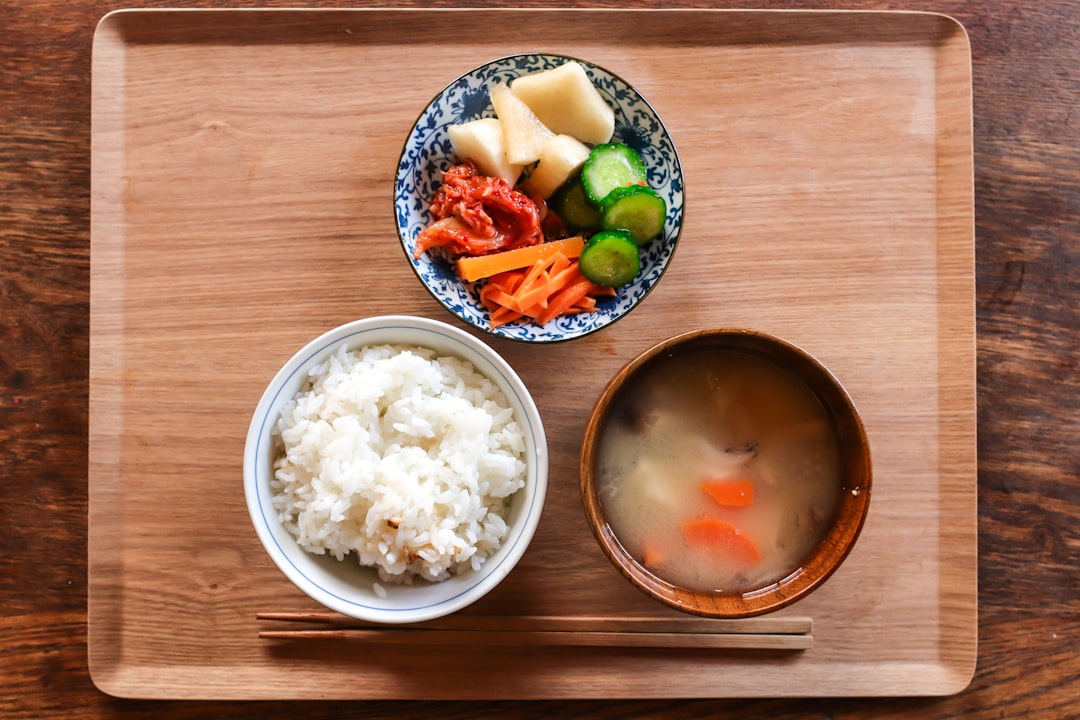
- Shokuji – Rice, miso soup, and pickles marking the meal’s conclusion.
- Mizumono – A seasonal dessert to close the experience.
Understanding this rhythm helps guests appreciate why kaiseki is meant to be savored slowly rather than rushed.
Essential Table Manners During the Meal
Handling Chopsticks with Respect
Chopstick etiquette is central to Japanese dining. Never stick chopsticks upright in rice, as this resembles a funeral ritual. Avoid passing food directly from chopstick to chopstick, another practice associated with funerary customs. When not in use, rest your chopsticks on the provided chopstick rest rather than across your bowl.
Appreciating Presentation Before Eating
Each kaiseki dish is a visual composition reflecting the season, often arranged with careful attention to color and shape. It is customary—and appreciated—to pause and observe the presentation before eating, acknowledging the chef’s artistry.
Eating in the Intended Order
Dishes with multiple components, such as a bento-style course, are often designed to be eaten in a particular order to balance flavors. If unsure, it is acceptable to ask the server for guidance.
Drinking Soup and Broth
Miso soup and clear broths are typically drunk directly from the bowl rather than eaten with a spoon. Lift the bowl with both hands, sip quietly, and use chopsticks only to retrieve solid ingredients.
Pace Yourself
Because kaiseki unfolds over many courses, it is meant to be enjoyed slowly. Rushing through the meal is considered disrespectful to the chef’s intent and diminishes the dining experience.
Conversational Etiquette
Kaiseki meals, especially in traditional ryokan or ryotei settings, favor a calm, quiet atmosphere. Loud conversation or boisterous laughter can disrupt the tranquil ambiance. Keep your voice low, and allow natural pauses in conversation to appreciate each course as it arrives.
Interacting with Staff and Chefs
In many kaiseki restaurants, especially those with counter seating, chefs may explain each dish as it is served. Listen attentively, as this often includes information about the ingredient’s origin, seasonal significance, or preparation method. A simple nod, smile, or short comment of appreciation is welcome; elaborate praise is not necessary.
If you wish to express gratitude at the end of the meal, a polite phrase such as “gochisousama deshita” (thank you for the meal) is customary and deeply appreciated by staff and chefs alike.
Sake and Beverage Etiquette
Sake often accompanies kaiseki meals, chosen to complement specific courses. When pouring for others, hold the bottle with both hands, and allow others to pour for you rather than serving yourself. It is polite to lift your cup slightly when someone pours for you, and to reciprocate the gesture when appropriate.
Common Etiquette Mistakes to Avoid
- Rearranging or mixing dishes not meant to be combined.
- Using your phone to photograph excessively without discretion—always ask if photography is permitted.
- Leaving food unfinished without explanation, which may be seen as a sign of dissatisfaction.
- Adding condiments like soy sauce liberally without tasting the dish first, as seasoning is carefully calibrated by the chef.
- Standing up or leaving the table frequently during the meal.
Concluding the Meal Gracefully
At the end of the meal, dishes are cleared in the same careful order they were served. Guests typically remain seated until invited to move or until the final course, often a seasonal sweet with tea, has been enjoyed. Express thanks to the staff as you leave, and if dining at a ryokan, additional bows or verbal thanks to the chef are considered a warm and appropriate gesture.
Why Kaiseki Etiquette Matters
Understanding kaiseki etiquette is not about rigid rule-following—it is about entering into a shared appreciation of seasonality, craftsmanship, and mindfulness. When guests slow down, observe, and engage respectfully, they participate in a centuries-old tradition that transforms a meal into an art form. Whether you are dining at a Kyoto ryotei or a countryside ryokan, embracing these customs will deepen your appreciation for one of Japan’s most refined culinary experiences.
Final Thoughts
Kaiseki dining offers far more than exquisite flavors; it offers insight into Japanese aesthetics, seasonal awareness, and quiet hospitality. By approaching the meal with patience, curiosity, and respect for tradition, travelers can fully savor this remarkable cultural experience—one course, one gesture, and one quiet moment at a time.