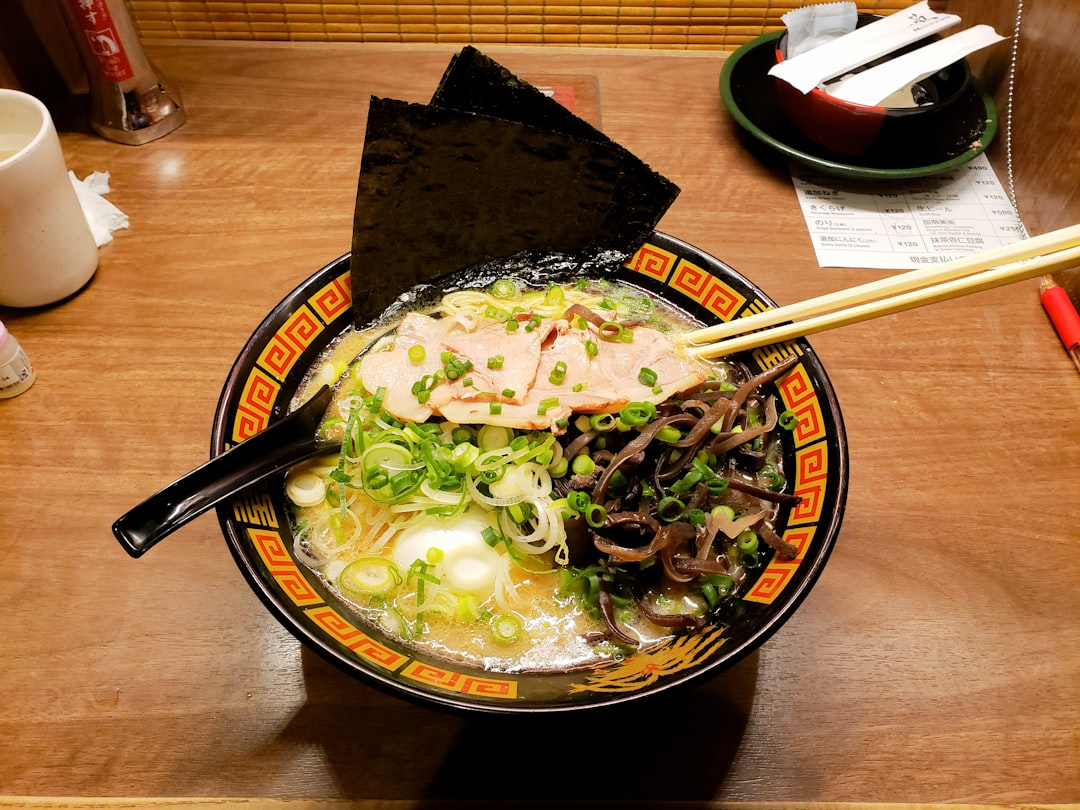

Photo by Crystal Jo on Unsplash
Why Osaka Deserves a Spot on Every Ramen Lover’s Map
Osaka is famously nicknamed the nation’s kitchen, and while the city is best known for takoyaki, okonomiyaki, and kushikatsu, its ramen scene is quietly one of the most exciting in Japan. Unlike Tokyo, which has a centuries-long food media machine shining a spotlight on every new shop, Osaka’s ramen culture has grown organically, driven by local demand rather than tourist hype. That means many of the city’s best bowls are still relatively undiscovered by international visitors, tucked into narrow alleyways, train station underpasses, and quiet residential streets.
What makes Osaka ramen shops feel authentic is not a single defining broth or noodle style, but rather the diversity and craftsmanship on display. Because Osaka sits between the tonkotsu-heavy west (think Fukuoka and Kyushu) and the shoyu and miso traditions further north and east, the city has become a melting pot where chefs experiment freely, often blending techniques from multiple regions into a single bowl.
What Sets Osaka Ramen Apart
If you have eaten ramen in Tokyo or Hakata, you might notice a few differences when you sit down at a counter in Osaka.
- Richer, more layered broths: Osaka chefs often combine tonkotsu (pork bone) with chicken or seafood dashi, creating a broth that is creamy yet surprisingly light on the palate.
- Local seasoning influences: Osaka’s love of umami-forward, slightly sweeter seasonings (a hallmark of Kansai cuisine) often shows up in the tare, the flavoring base mixed into the broth.
- Casual, no-frills atmosphere: Many of the city’s most respected shops are small, standing-room-only counters where the focus is entirely on the food, not the ambiance.
- Late-night culture: Osaka is famous for shime ramen, a final bowl eaten after a night of drinking, so many excellent shops stay open well past midnight.
Popular Ramen Styles You Will Find in Osaka
Osaka-Style Tonkotsu
Rich, milky pork bone broth simmered for hours, usually paired with thin, firm noodles that hold up well against the density of the soup. This style is heavily influenced by Kyushu ramen traditions but tends to be slightly less pungent, appealing to a broader range of palates.
Chicken Paitan Ramen
A newer but increasingly popular category, chicken paitan ramen uses simmered chicken bones and collagen-rich cuts to produce a broth that is silky, pale gold, and deeply savory without the heaviness of pork-based soups.
Niboshi Ramen
For those who love a punchier, more assertive flavor, niboshi (dried sardine) ramen delivers a smoky, slightly bitter depth that pairs beautifully with a soy-based tare. This style has a devoted local following and is a great entry point into more traditional Japanese ramen flavors.
Tsukemen (Dipping Noodles)
Especially popular during Osaka’s hot, humid summers, tsukemen separates the noodles and broth into two bowls. Diners dip cold, chewy noodles into a concentrated, often spicy or citrus-infused sauce, a refreshing alternative to a steaming bowl of soup.
Where to Find Authentic Ramen Shops in Osaka
Namba and Dotonbori
While Dotonbori is undeniably touristy, do not let that stop you from exploring the smaller side streets just off the main canal. Many long-standing family-run shops have survived here for decades, serving loyal locals alongside curious travelers. Look for shops with a steady stream of solo diners eating quickly and quietly, a good sign that the food, not the atmosphere, is the draw.
Umeda and Kita
The area around Osaka Station and Umeda is packed with salarymen during lunch hours, and the ramen shops here cater to a discerning, repeat-customer crowd. This is a great area to find quick, high-quality bowls before or after a day of sightseeing, particularly in the underground shopping arcades where hidden gems often operate out of tiny storefronts.
Tennoji and Abeno
A slightly less touristy district, Tennoji offers a more local experience with excellent tonkotsu and niboshi shops that rarely appear on English-language guides. If you want to feel like you have found a shop entirely on your own, this is the neighborhood to wander.
Shinsekai
Known for its retro atmosphere and kushikatsu culture, Shinsekai also hides a handful of old-school ramen counters that have been serving the same recipe for generations. The unpretentious, sometimes gritty charm of this neighborhood makes discovering a great bowl here feel especially rewarding.
How to Order and Eat Ramen Like a Local
Many authentic ramen shops in Osaka, especially the smaller ones, use a ticket vending machine near the entrance. Here is a simple guide to navigating the process with confidence.
- Look at the machine for pictures or menu items, select your ramen and any toppings, and insert your cash.
- Take the printed ticket and hand it to the staff as you sit down, they will confirm your order and get started immediately.
- Do not worry about seating etiquette, most counters are first-come, first-served, and eating quickly and efficiently is completely normal and expected.
- Slurping your noodles is not just accepted, it is considered a compliment to the chef and helps cool the noodles as you eat.
- If you want extra flavor, look for condiments like rayu (chili oil), vinegar, or pickled ginger on the counter, though many purists eat their first few bites plain to appreciate the broth as intended.
Tips for Finding Truly Authentic Ramen Shops
Because Osaka’s ramen scene is so decentralized, a bit of local knowledge goes a long way. Here are a few practical tips for tracking down the city’s best bowls.
- Follow the lines, but not blindly: A queue at lunchtime is often a good sign, but some of the best shops have no line simply because they are tucked away from foot traffic.
- Look for handwritten menus: Shops that update their offerings by hand, rather than printed signage, often indicate a chef who is actively refining recipes.
- Check the broth color and clarity: A cloudy, opaque broth usually signals a long-simmered tonkotsu base, while a clear broth suggests a lighter shoyu or shio style.
- Visit during off-peak hours: Arriving slightly before or after the lunch rush often means fresher noodles and a more relaxed chef willing to chat if you show genuine interest.
- Trust small, specialized shops: Ramen counters that serve only one or two variations of a single style tend to have mastered their craft over years of repetition, rather than trying to please everyone with a sprawling menu.
Final Thoughts
Osaka’s ramen scene rewards curiosity. While the city’s takoyaki stands and okonomiyaki grills tend to steal the spotlight, its ramen shops offer some of the most rewarding, unpretentious dining experiences you will find anywhere in Japan. Whether you are slurping a bowl of rich tonkotsu in a hidden Namba alley or discovering a niboshi specialist in Tennoji, the key to an authentic experience is simple: seek out the small counters, trust the locals eating around you, and let your curiosity guide your next bowl.