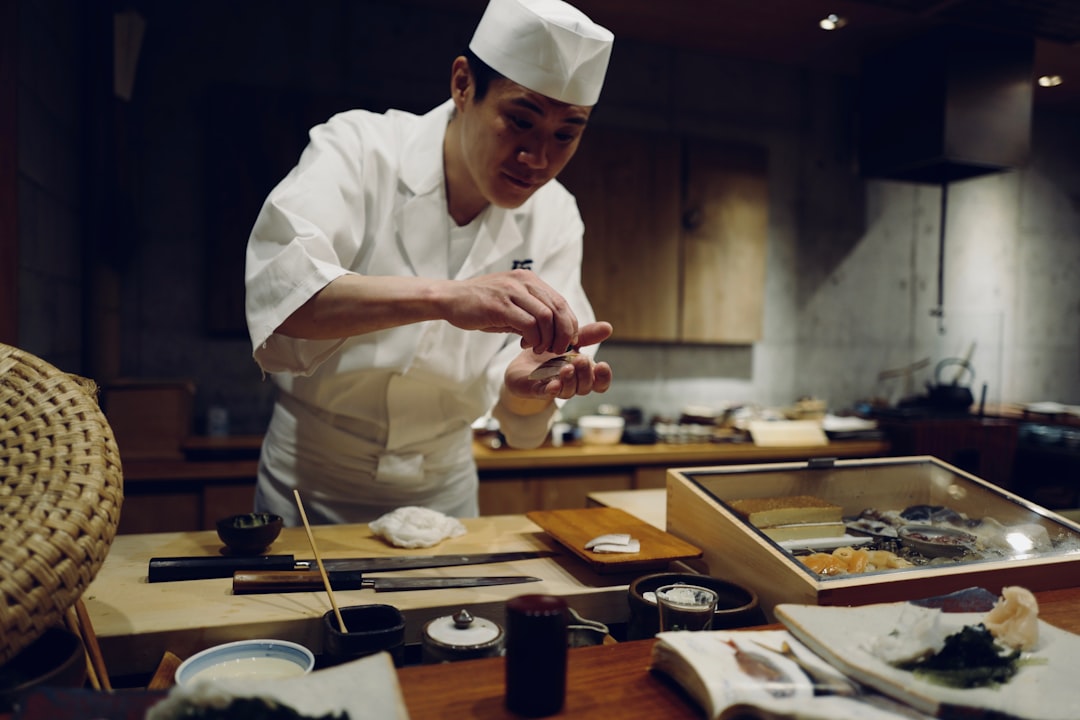

Photo by Thomas Marban on Unsplash
Why Tokyo Is the Sushi Capital of the World
Tokyo is not just the birthplace of modern nigiri sushi, it is the beating heart of a culinary tradition that has been refined over centuries. When Edomae-zushi (Edo-style sushi) first appeared along the banks of the Sumida River, it was fast food for workers who needed a quick, delicious bite. Today, that same spirit of craftsmanship, freshness, and respect for ingredients has evolved into one of the most celebrated dining experiences on the planet. If you are searching for an authentic sushi experience in Tokyo, you are in for a journey that goes far beyond raw fish on rice, it is a cultural ritual steeped in history, precision, and quiet artistry.
Whether you are a first time visitor or a seasoned Japan traveler, understanding how to find, order, and appreciate real Tokyo sushi will transform your trip. This guide walks you through everything you need to know, from choosing the right restaurant to understanding sushi etiquette, so you can savor every bite like a true connoisseur.
Understanding Edomae-Zushi: The Original Tokyo Style
Edomae-zushi refers to the traditional style of sushi that originated in old Tokyo, then called Edo. Unlike modern sushi found abroad, Edomae sushi emphasizes techniques that were originally developed to preserve fish before refrigeration existed. These include curing with vinegar, salting, and light soy sauce marinades known as zuke. A true Edomae sushi chef, or itamae, spends years mastering rice temperature, vinegar ratios, and the precise pressure needed to form each piece of nigiri.
When you experience authentic Edomae-zushi in Tokyo, you will notice subtle differences from sushi you may have tried elsewhere. The rice is often served slightly warm, the fish may already be seasoned with a brush of soy sauce or citrus, and pieces are meant to be eaten immediately, in one bite, without additional condiments.
Where to Find Authentic Sushi in Tokyo
High End Sushi-ya (Sushi Restaurants)
For the pinnacle of authentic sushi, seek out traditional sushi-ya where the chef prepares each piece directly in front of you at a wooden counter. These establishments often have limited seating, sometimes fewer than ten seats, and require reservations well in advance. The omakase style, meaning “I leave it up to you,” is the standard here. You simply sit back and let the chef guide you through a curated sequence of seasonal fish, finishing with a light dessert or tamagoyaki (sweet egg).
Tsukiji Outer Market and Toyosu Market
While the inner wholesale market has moved to Toyosu, the Tsukiji outer market remains a beloved destination for fresh seafood, sushi breakfasts, and small standing-sushi counters. Arriving early in the morning rewards visitors with the freshest catches and shorter lines. Toyosu Market itself also offers excellent sushi restaurants where chefs source directly from the auction floor.
Neighborhood Sushi Counters
Not every authentic experience requires a hefty budget. Many neighborhoods across Tokyo, from Ginza to Shibuya to quieter residential areas, hide small family-run sushi counters that have served loyal customers for generations. These spots often provide incredible value, personal service, and a genuine slice of local life.
Kaiten-Zushi (Conveyor Belt Sushi)
For a more casual yet still authentic experience, kaiten-zushi restaurants offer freshly made sushi on a rotating belt or ordered via touchscreen. While the atmosphere is more relaxed, many kaiten-zushi chains in Tokyo use high quality fish and skilled chefs, making this a fun and affordable way to sample a wide variety of sushi in one sitting.
What to Expect During an Omakase Meal
An omakase sushi meal is a carefully choreographed experience. The chef typically begins with lighter, more delicate fish and gradually moves toward richer, fattier cuts like otoro (fatty tuna belly). Expect a sequence that might include:
- Hirame (flounder) or tai (sea bream) to start
- Various cuts of maguro (tuna), from lean akami to rich otoro
- Shellfish such as hotate (scallop) or awabi (abalone)
- Uni (sea urchin) and ikura (salmon roe)
- Anago (saltwater eel) or unagi as a warm, savory finish
- Tamagoyaki, a sweet egg custard, to close the meal
Each piece is meant to be enjoyed immediately after being placed in front of you, as the temperature and texture of the rice are essential to the experience.
Sushi Etiquette: How to Eat Like a Local
Part of having an authentic experience is understanding the unspoken rules that locals follow. Here are essential etiquette tips:
- Eat nigiri sushi in one bite whenever possible, it is designed for this
- Use your hands or chopsticks, both are acceptable for nigiri
- Dip the fish side into soy sauce, not the rice, to avoid soaking and falling apart
- Avoid rubbing chopsticks together, this is considered impolite
- Ginger (gari) is meant to cleanse your palate between different types of fish, not to be eaten alongside sushi
- Trust the chef, many high-end sushi-ya already season the fish, so avoid adding extra soy sauce unless offered
- Follow the chef’s pacing, sushi is best enjoyed piece by piece as it is served
Tips for Booking an Authentic Sushi Experience
Popular sushi-ya, especially those with a small number of counter seats, often require reservations weeks or even months ahead of time. Many restaurants do not accept walk-ins, and some require a local phone number or hotel concierge assistance to book. Consider these tips:
- Book well in advance through your hotel concierge or reservation platforms
- Arrive on time, punctuality is highly valued in Japanese dining culture
- Be prepared for a set course menu, à la carte options are less common at traditional counters
- Budget accordingly, high-end omakase can be a splurge, but incredible quality exists at every price point
- Ask about lunch omakase sets, which are often more affordable than dinner
Seasonal Sushi: Why Timing Matters
One hallmark of authentic Japanese sushi culture is shun, the concept of eating fish at its seasonal peak. A skilled sushi chef changes the menu throughout the year to reflect what is freshest and most flavorful. Fatty tuna, sea urchin, and certain white fish each have their own peak seasons, and dining at different times of year can lead to wonderfully different sushi experiences, even at the same restaurant.
Beyond Nigiri: Other Sushi Styles to Try
While nigiri is the star of Tokyo’s sushi scene, do not overlook other traditional styles:
- Maki-zushi, rolled sushi with fillings wrapped in seaweed and rice
- Temaki, hand-rolled cones often enjoyed casually at home or specialty shops
- Chirashi-zushi, a bowl of vinegared rice topped with assorted sashimi
- Oshi-zushi, pressed sushi that originated in the Kansai region but can be found in specialty Tokyo shops
Final Thoughts on Experiencing Authentic Tokyo Sushi
An authentic sushi experience in Tokyo is about far more than the food itself, it is a window into Japanese values of craftsmanship, seasonality, and mindful dining. Whether you splurge on a once in a lifetime omakase counter or enjoy a casual kaiten-zushi lunch, approaching the meal with curiosity and respect will deepen your appreciation for this iconic cuisine. Take your time, trust the chef, and savor each piece exactly as it is meant to be enjoyed, fresh, precise, and utterly delicious.