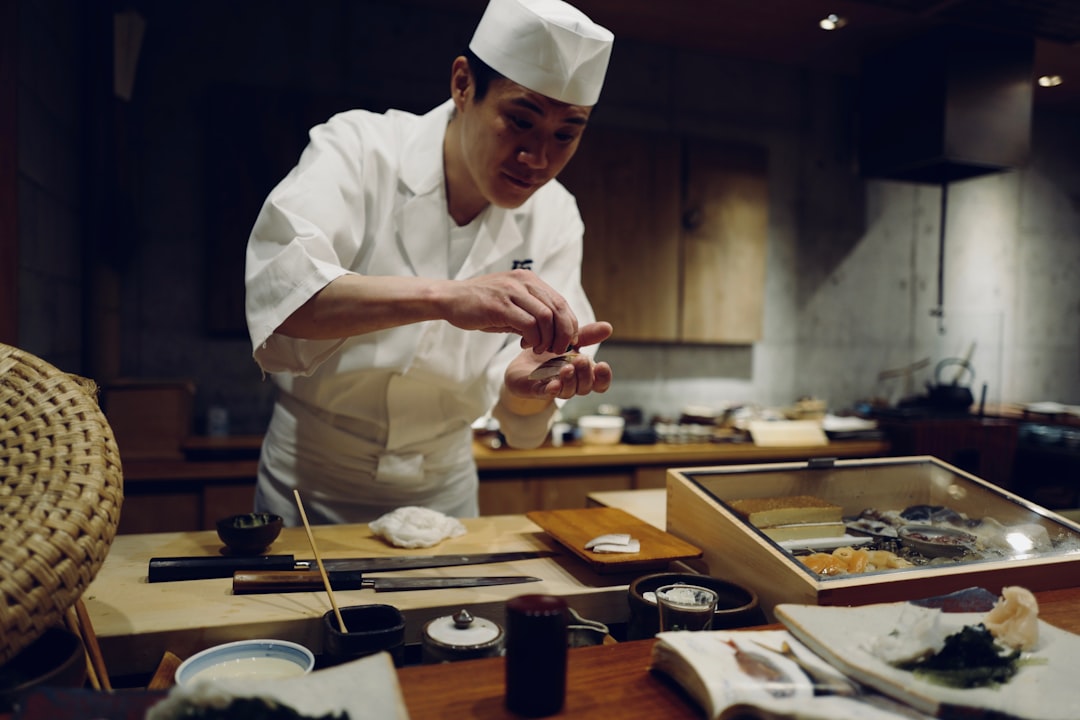

Photo by Thomas Marban on Unsplash
Why Take a Sushi Making Class in Tokyo?
Tokyo is the beating heart of sushi culture, and there’s no better way to understand this iconic Japanese cuisine than by making it yourself. A sushi making class in Tokyo for tourists offers a hands-on, immersive experience that goes far beyond simply eating sushi at a restaurant. You’ll learn knife skills, rice preparation techniques, and the subtle art of balancing flavors that professional itamae (sushi chefs) spend years perfecting.
Whether you’re a solo traveler, part of a couple, or traveling with family, a sushi class provides an unforgettable memory alongside a delicious meal you can proudly say you made yourself. It’s also a fantastic activity for rainy days or as a break from Tokyo’s busy sightseeing itinerary.
What to Expect During a Sushi Making Class
Most sushi classes designed for tourists in Tokyo run between 90 minutes and 3 hours. Here’s what typically happens during a session:
- An introduction to sushi history and etiquette
- Guidance on how to properly cook and season sushi rice (shari)
- Hands-on practice making nigiri sushi, where you shape rice and top it with fresh fish
- Learning to roll maki sushi using a bamboo mat (makisu)
- Tips on selecting and slicing fresh fish and vegetables
- Enjoying your homemade sushi as a meal at the end of class
Many classes also cover the basics of miso soup preparation, tamagoyaki (Japanese rolled omelet), or how to make dashi stock, giving you a more complete picture of Japanese culinary fundamentals.
Types of Sushi Classes Available
Small Group Classes
These are popular among tourists because they offer a good balance between affordability and personalized instruction. Small group classes usually cap at 6-12 participants and are led by an experienced chef or culinary instructor who speaks English.
Private Sushi Lessons
For those seeking a more tailored experience, private lessons allow you to learn at your own pace, ask unlimited questions, and sometimes even customize the menu. These are ideal for families, couples celebrating a special occasion, or serious foodies who want deeper insight into sushi-making techniques.
Market Tour Combo Classes
Some of the most memorable sushi experiences begin with an early morning visit to a local fish market, such as Toyosu Market, where you’ll learn how to select the freshest seafood before heading to the kitchen to prepare your sushi. This combo offers wonderful cultural context and a behind-the-scenes look at how Tokyo’s seafood supply chain operates.
Where to Find Sushi Making Classes in Tokyo
Sushi classes for tourists are widely available throughout Tokyo, with many concentrated in areas popular with visitors:
- Tsukiji area: Close to the historic outer market, many cooking studios here combine a market walk with sushi lessons
- Asakusa: A traditional neighborhood offering classes with a cultural, old-Tokyo atmosphere
- Shibuya and Shinjuku: Convenient locations for tourists staying in central Tokyo, often featuring modern cooking studios
- Ginza: Upscale options for those wanting a more refined, luxury experience
Booking platforms and tour aggregators make it simple to compare reviews, prices, and class formats before choosing the right experience for your trip.
What You’ll Need to Know Before Booking
Language Support
Most classes catering to tourists offer instruction in English, though the level of fluency can vary. Look for reviews mentioning clear communication if language is a priority for you.
Group Size
If you prefer a more intimate learning environment, seek out classes with smaller group sizes or opt for a private session. Larger groups can still be fun and are often more budget-friendly.
Dietary Restrictions
Many studios can accommodate vegetarian, vegan, or allergy-specific requests if you inform them in advance. Popular substitutions include vegetable-based rolls or cooked seafood options for those avoiding raw fish.
What’s Included
Check whether the price includes all ingredients, aprons, recipe cards, and the meal itself. Some classes also provide small take-home gifts like chopsticks or a certificate of completion.
Tips for a Great Sushi Making Class Experience
- Arrive on time, as many studios have tight scheduling between sessions
- Wear comfortable clothing since you’ll be standing and moving around the kitchen
- Bring a camera or phone to document your creations
- Come with an appetite, since you’ll be eating your handmade sushi afterward
- Ask questions freely; most instructors love sharing extra tips and cultural background
- Be gentle when handling the rice, as sushi rice requires a delicate touch to avoid mashing the grains
Why This Experience Is Perfect for Tourists
A sushi making class offers more than just a cooking lesson. It’s a window into Japanese culture, precision, and respect for ingredients. You’ll gain a newfound appreciation for the skill involved every time you order sushi in the future. Plus, learning these techniques means you can recreate a taste of Tokyo once you’re back home, sharing the experience with friends and family.
For many visitors, this activity becomes one of the most memorable highlights of their Japan trip, combining hands-on learning, cultural insight, and, of course, delicious food.
Final Thoughts
If you’re planning a trip to Tokyo, adding a sushi making class to your itinerary is a fantastic way to deepen your connection to Japanese cuisine and culture. Whether you choose a casual small group session or an intensive private lesson paired with a market visit, you’ll leave with new skills, a full stomach, and a memory that lasts far longer than your vacation photos.