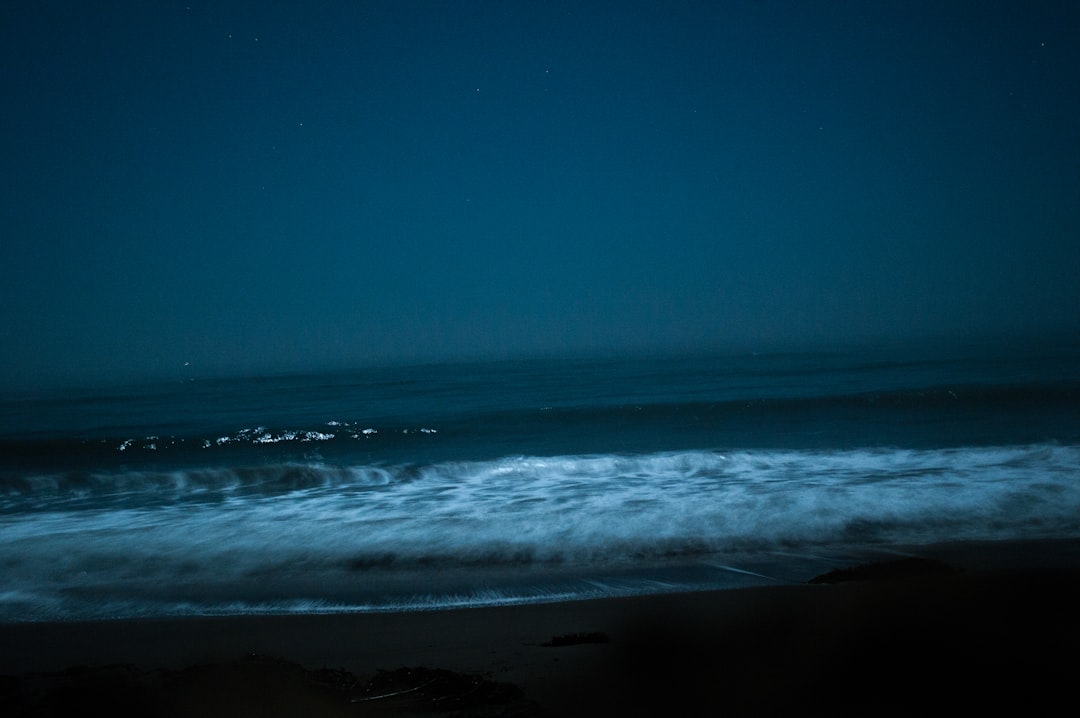

Photo by Patrick Williams on Unsplash
A Bay That Glows Blue: Introducing the Firefly Squid Phenomenon
Each spring, along the dark shoreline of Toyama Bay on Japan’s Sea of Japan coast, something extraordinary rises from the deep. Thousands upon thousands of tiny squid, each barely the size of a thumb, drift toward the surface and begin to glow a luminous, otherworldly blue. This is the firefly squid (hotaru ika), one of Japan’s most magical yet lesser-known natural wonders, and Toyama Bay is the single best place on the planet to witness it.
Unlike Japan’s famous cherry blossoms or autumn foliage, this bioluminescent event happens almost entirely at night and mostly underwater, which is precisely why it has remained a hidden gem for so long. For travelers seeking something truly different from the standard Japan itinerary, the firefly squid season offers a rare combination of natural science, culinary delight, and quiet coastal beauty.
What Exactly Is the Firefly Squid?
The firefly squid (Watasenia scintillans) is a small species of squid, typically measuring around 5 to 7 centimeters in length, found in the deep waters of the Sea of Japan and Pacific Ocean. What makes it remarkable is its photophores, light-producing organs scattered across its body and tentacles, which allow it to emit a striking blue-white bioluminescent glow.
Scientists believe this light serves several purposes, including camouflage against sunlight filtering from above, communication during mating, and possibly startling predators. Most of the year, firefly squid live in deep waters far below the surface, invisible to human eyes. But during a brief window each spring, adult squid migrate toward shallower coastal waters to spawn, and in Toyama Bay’s unique underwater topography, they are sometimes swept toward shore in astonishing numbers.
Why Toyama Bay Is the World’s Best Viewing Spot
Toyama Bay has a distinctive underwater canyon that plunges to great depths remarkably close to shore. This unusual geography, combined with specific currents and water temperatures, creates ideal conditions for firefly squid to gather near the coast during their spawning migration. In certain areas, especially around Namerikawa City, the squid are occasionally washed onto the beach in massive glowing waves, an event so significant that it has been designated a Special Natural Monument of Japan.
This designation reflects just how rare and ecologically important the phenomenon is. Nowhere else in the world do firefly squid appear so predictably and visibly close to shore, making Toyama Bay a globally unique destination for nature lovers, photographers, and curious travelers alike.
When to Visit for the Best Chance of Seeing Firefly Squid
The firefly squid season in Toyama typically runs through the spring months, generally peaking between March and May, though exact timing shifts slightly year to year depending on water temperatures and lunar cycles. The best viewing conditions tend to occur:
- On nights with a new moon or minimal moonlight, since darker skies make the glow more visible
- During incoming tides, which help push squid toward shallow water and the shoreline
- In the very early morning hours, often between 2 AM and 4 AM, when natural mass strandings are most likely
- After stormy or rough weather, which can sometimes wash larger numbers of squid ashore
Because natural strandings depend on unpredictable environmental factors, many visitors opt for a more reliable experience: joining an early morning firefly squid viewing boat tour, which takes guests out onto the bay to see nets full of glowing squid pulled from the water.
How to Experience the Firefly Squid: Boat Tours and Viewing Spots
Firefly Squid Viewing Boat Tours
The most popular and reliable way to witness the glow is through a specialized early morning boat tour, typically departing from Namerikawa or nearby ports around 3 or 4 AM. These tours take small groups out into the bay where local fishermen haul in nets specifically to showcase the squid’s bioluminescence up close. Guests can watch as the nets are lifted from the dark water, revealing hundreds of squid shimmering in electric blue before the boat returns to shore. These tours usually run for a limited window each spring and often require advance reservations, especially on weekends.
The Hotaruika Museum in Namerikawa
For those who want to deepen their understanding of this creature, the Hotaruika Museum offers an excellent introduction. Interactive exhibits explain the squid’s biology, life cycle, and the science behind bioluminescence. The museum even features a dark viewing tank where visitors can see live firefly squid glowing in a controlled environment, a wonderful option for families, daytime visitors, or anyone hoping to see the glow without the very early wake-up call.
Shoreline Viewing
On lucky nights, especially following a natural stranding event, visitors can walk along certain beaches near Namerikawa and Uozu at dawn to see squid glowing directly on the sand or in shallow tide pools. This experience is entirely dependent on nature’s timing and cannot be guaranteed, but locals and repeat visitors often check tide and weather conditions to increase their chances.
Tasting the Catch: Firefly Squid as a Culinary Delicacy
Beyond its visual spectacle, the firefly squid is also a beloved seasonal delicacy throughout the Hokuriku region. Once caught, it is prepared in numerous traditional ways that highlight its delicate, slightly sweet flavor:
- Boiled firefly squid served simply with a tangy vinegar-miso dipping sauce
- Firefly squid sashimi, prized for its tender texture
- Tempura-style firefly squid, lightly fried for a crispy contrast
- Firefly squid rice bowls, often paired with local Toyama rice
- Simmered or stir-fried preparations found in izakaya throughout the region
Spring visitors to Toyama will find firefly squid featured prominently on menus at local restaurants, markets, and even convenience stores during peak season, making it easy to enjoy this seasonal treasure even without joining a boat tour.
Practical Tips for Visiting Toyama During Firefly Squid Season
- Book early: Viewing boat tours have limited capacity and sell out quickly, particularly on weekends and around new moon dates.
- Dress warmly: Spring nights and early mornings on the water can be surprisingly cold, even as daytime temperatures warm up.
- Check tide and moon calendars: Many tour operators and local tourism websites publish predicted best-viewing dates based on tidal and lunar data.
- Combine with other Toyama attractions: Pair your trip with visits to the historic Kurobe Gorge, the artistic Toyama Glass Art Museum, or the dramatic alpine scenery of the Tateyama Kurobe Alpine Route, all accessible from the same region.
- Getting there: Toyama is easily reached via the Hokuriku Shinkansen from Tokyo, making it a feasible destination even for travelers with limited time.
A Rare Natural Wonder Worth the Early Wake-Up Call
Witnessing thousands of tiny squid glowing blue in the predawn darkness of Toyama Bay is an experience unlike anything else in Japan. It requires a bit of planning, an early alarm, and perhaps a warm jacket, but the reward is a genuinely unforgettable encounter with nature’s quiet magic. Whether you catch a spectacular natural stranding on the beach, join a lantern-lit boat tour, or simply enjoy a plate of fresh hotaru ika at a local izakaya, Toyama’s firefly squid season offers a beautifully unique window into Japan’s lesser-known seasonal wonders.