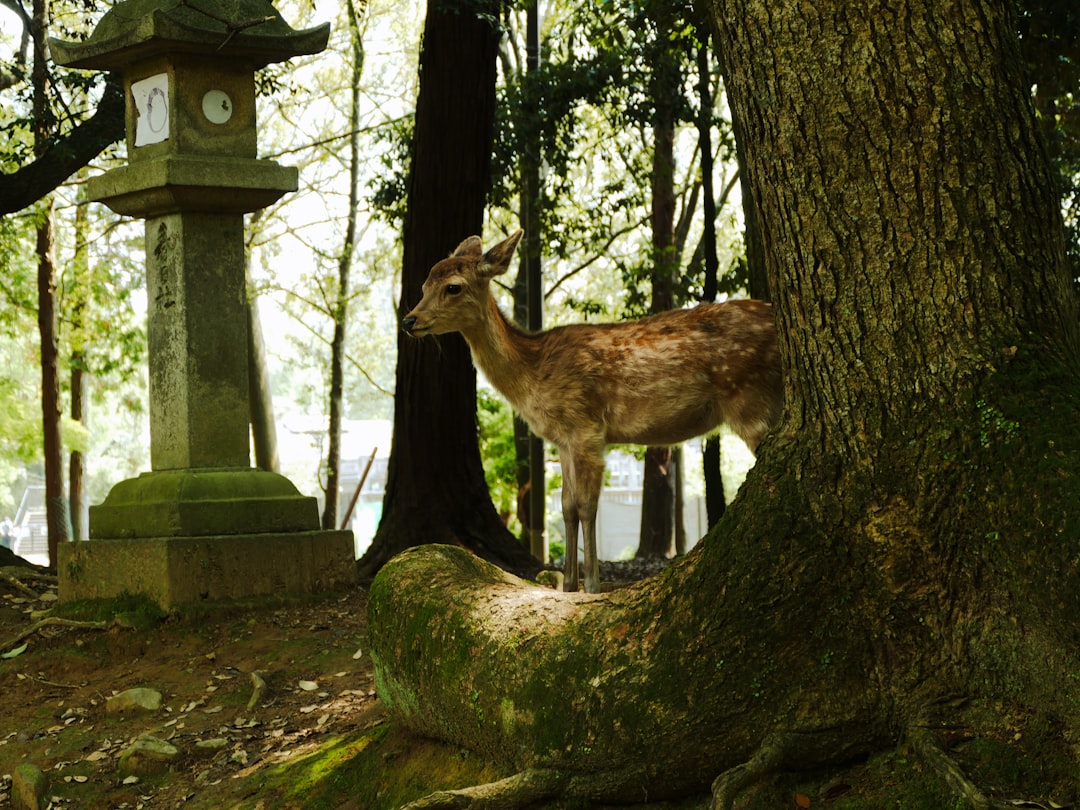

Photo by Joris Beugels on Unsplash
Beyond the Crowds: Why Nara Deserves More Than a Day Trip
Nara is often treated as a quick day trip from Kyoto or Osaka, a place where visitors snap a few photos with bowing deer, peek inside Todai-ji, and hop back on the train. But this ancient capital, Japan’s first permanent capital city, holds far more depth than the postcard scenes suggest. Beyond the crowded paths of Nara Park lie quiet forest trails, forgotten sub-shrines, and centuries-old temples that receive only a fraction of the visitors. This guide uncovers the hidden gems of Nara Deer Park and its surrounding temples, giving you a roadmap for a slower, richer, and far more memorable visit.
Hidden Gems Within Nara Park Itself
Nara Park spans over 500 hectares, yet most tourists stick to the same half-kilometer stretch between the train station and Todai-ji’s Great Buddha Hall. Venture further and you will find a completely different atmosphere.
Kasugayama Primeval Forest
Tucked behind Kasuga Taisha, this UNESCO-listed primeval forest has been protected from logging for over a thousand years due to its sacred status. Walking trails wind beneath towering cedars and camphor trees, and the deeper you go, the fewer people you encounter. It’s one of the best places in the entire Kansai region to experience old-growth forest, and the cooler temperatures make it a refreshing escape in warmer months.
Ukimido Pavilion
Floating gracefully on Sagiike Pond, this small hexagonal pavilion is frequently overlooked because it sits slightly off the main tourist route near Ukigumo-en Garden. Visit in the early morning or late afternoon when the light hits the water, and you’ll often have the entire scene to yourself, deer grazing quietly nearby.
Mizuya Chaya Teahouse Area
Near Wakakusa Yama, this rustic teahouse district retains an old-fashioned atmosphere that has largely disappeared from the busier parts of the park. Locals come here for simple noodle dishes and warabimochi, and the deer in this area tend to be calmer and less accustomed to aggressive crowd behavior, making for gentler, more authentic interactions.
Lesser-Known Temples and Shrines
While Todai-ji and Kasuga Taisha are unmissable, Nara’s true character reveals itself in its quieter religious sites.
Kasuga Taisha’s Hidden Sub-shrines
Most visitors walk the main approach to Kasuga Taisha, admire the bronze lanterns, and leave. But scattered throughout the surrounding forest are dozens of smaller sub-shrines, some barely marked, each dedicated to different local deities. Following the side paths past the main shrine complex leads to serene clearings where you can hear little but birdsong and the occasional deer bell.
Enjo-ji Temple
Located on the eastern hills a short bus ride from central Nara, Enjo-ji is a remarkably peaceful temple known for its beautifully preserved rock garden and mountain views. It receives a tiny fraction of the visitors that flood Todai-ji, yet its Buddhist statuary and tranquil setting rival many of the city’s more famous sites.
Nigatsu-do’s Hidden Terrace Views
Everyone photographs the main hall of Nigatsu-do, but few wander to the small terrace on its northern side. From here, you get a sweeping view over Nara’s rooftops and the distant mountains, especially stunning at sunset, without the crowds that gather on the main viewing platform.
Shin-Yakushi-ji Temple
A twenty-minute walk from the main park brings you to this understated temple, home to one of Japan’s most powerful collections of guardian statues encircling a central Buddha. Because it requires a bit of extra walking, Shin-Yakushi-ji remains blissfully uncrowded even during peak travel seasons, offering an intimate encounter with centuries-old craftsmanship.
Secret Spots for Quieter Deer Encounters
The deer near Todai-ji’s entrance are used to constant attention and can be pushy when food is involved. For a gentler experience, head toward the fields near Kasugayama Primeval Forest’s entrance or the quieter lawns behind Kasuga Taisha. Deer here tend to be more relaxed, and you can observe their natural behavior, grazing, resting, interacting with fawns, without the frenzy of biscuit-selling crowds.
Best Times to Visit for a Quieter Experience
- Early morning, right after sunrise, before tour buses arrive
- Weekday afternoons rather than weekends or public holidays
- Late autumn and winter months, when foliage still charms but crowds thin considerably
- Rainy days, which deter many casual visitors but rarely stop dedicated deer or temple lovers
Practical Tips for Exploring Nara’s Hidden Gems
- Wear comfortable walking shoes since many of these spots require uphill or forest trail walking
- Bring cash, as smaller temples and teahouses often don’t accept cards
- Consider renting a bicycle from near Nara Station to cover more ground efficiently between distant sites
- Respect sacred boundaries at sub-shrines; many are still active places of worship, not simply photo backdrops
- Carry a paper map or offline map app, since some forest trails have limited cell signal
Sample Itinerary for an Off-the-Beaten-Path Nara Day
Start at dawn near Ukimido Pavilion for reflective photos and quiet deer sightings. Walk through Nara Park toward Kasuga Taisha, taking time to explore the sub-shrine paths. Continue into Kasugayama Primeval Forest for a mid-morning forest walk. Head to Nigatsu-do for its lesser-known terrace view before lunch at Mizuya Chaya. In the afternoon, take a short bus ride to Enjo-ji for peaceful garden viewing, then finish your day with a visit to Shin-Yakushi-ji before the light fades.
Final Thoughts
Nara’s fame rests on its friendly deer and iconic Great Buddha, but its quieter corners offer something arguably more valuable: space to breathe, reflect, and genuinely connect with over a thousand years of history. By venturing just slightly beyond the well-trodden paths, you’ll discover a version of Nara that feels personal, peaceful, and entirely your own.