As winter settles over Japan and the countdown to a new year begins, one culinary ritual quietly ties the entire nation together: slurping a warm bowl of toshikoshi soba. Eaten on New Year’s Eve, this humble buckwheat noodle dish carries centuries of symbolism, hope, and quiet reflection. For travelers planning a winter break or New Year’s holiday in Japan, understanding toshikoshi soba is a delicious way to connect with local culture during one of the country’s most meaningful nights of the year.
What Does “Toshikoshi Soba” Mean?
The term toshikoshi soba translates roughly to “year-crossing noodles.” “Toshikoshi” (年越し) means “crossing over into the new year,” while “soba” (蕎麦) refers to the thin, earthy buckwheat noodles that have been a staple of Japanese cuisine for centuries. Together, the phrase describes the tradition of eating a bowl of soba noodles on the night of December 31st, just before the clock strikes midnight and the new year begins.
Unlike osechi ryori, the elaborate boxed dishes prepared for New Year’s Day itself, toshikoshi soba is a New Year’s Eve custom, eaten specifically as the old year comes to a close. It’s less about celebration and more about quiet gratitude, reflection, and hope for the year ahead.
The History and Origins of Toshikoshi Soba
While the exact origins are debated, most food historians trace the custom back to the Edo period, when soba became widely popular among common people thanks to its affordability and quick preparation. Buckwheat, the plant from which soba noodles are made, was known for its hardiness—it grows even in poor soil and harsh winter conditions, which led to associations with resilience and vitality.
Merchants in Edo-era Japan reportedly ate soba at the end of each month as a way of settling accounts and starting fresh, and this practice eventually became concentrated on the final night of the year. Over time, eating soba on New Year’s Eve became a nationwide custom, transcending region and social class.
Why Soba Noodles? The Symbolism Explained
Toshikoshi soba isn’t just a random dish chosen for the occasion—every element carries meaning:
- Long noodles, long life: The length of the noodles symbolizes longevity and a long, healthy life extending into the new year.
- Easy to cut, easy to let go: Unlike chewy udon, soba noodles break easily. This represents “cutting off” the hardships, misfortunes, and regrets of the past year, allowing people to enter the new year with a clean slate.
- Buckwheat’s resilience: Because buckwheat plants can withstand wind, rain, and poor soil, eating soba is thought to bring strength and resilience for the year ahead.
- Wealth and prosperity: In some regions, soba is linked to old goldsmiths who used buckwheat dough to collect gold dust, giving the noodles an association with financial fortune.
How and When Toshikoshi Soba Is Eaten
Traditionally, toshikoshi soba is eaten sometime in the evening of December 31st, though the exact timing varies by household—some enjoy it early in the evening as a light dinner, while others eat it right before midnight, symbolically “crossing over” into the new year with the last bite. It’s considered bad luck to carry any leftover soba into the new year, so most households and restaurants ensure the bowl is finished before midnight strikes.
The dish itself is often kept relatively simple: soba noodles served in a hot dashi-based broth, topped with ingredients like tempura (especially shrimp tempura, or ebi-ten, symbolizing longevity thanks to its curved shape resembling an elderly back), sliced green onions, kamaboko (fish cake), or nishin (herring) in certain regions like Kyoto.
Regional Variations Across Japan
While the core tradition is nationwide, regional differences add local flavor:
- Tokyo and Kanto region: Often served with a soy-sauce-based dark broth and tempura toppings.
- Kyoto and Kansai region: Lighter, more delicate broth, sometimes topped with nishin (herring), a Kyoto specialty.
- Okinawa: Some households substitute soba with Okinawa soba, a wheat-based noodle distinct from buckwheat soba, showing how the tradition adapts locally.
- Niigata: Known for its buckwheat production, some areas serve toshikoshi soba with local mountain vegetables or unique regional toppings.
Where to Experience Toshikoshi Soba in Japan
If you’re visiting Japan during the winter holiday season, joining locals for toshikoshi soba is a memorable way to experience authentic culture. Here are some practical tips:
- Book ahead: Popular soba restaurants get extremely busy on December 31st, with many closing early to allow staff to celebrate with their own families. Reserve a table in advance or plan to eat earlier in the evening.
- Try a depachika: Department store basements (depachika) often sell pre-made toshikoshi soba sets, perfect if you’re staying in a hotel room and want to try the tradition without a restaurant reservation.
- Combine with hatsumode: Many travelers eat toshikoshi soba before heading out to a shrine or temple for hatsumode, the first shrine visit of the new year. Dress in warm layers, as temperatures overnight can drop well below freezing in many regions.
- Avoid the midnight crowds: If you want a quieter, more relaxed experience, eat your soba earlier in the evening (around 6-8pm) rather than fighting long lines near midnight at busy train stations and shrine-adjacent eateries.
Cold-Weather Tips for Winter Travelers
Since toshikoshi soba season coincides with Japan’s coldest weeks, a little preparation goes a long way:
- Wear thermal base layers, a warm coat, gloves, and a hat—many New Year’s Eve activities involve waiting outdoors, especially near shrines.
- Bring hand warmers (kairo), sold at any convenience store, to stay comfortable while queueing for hatsumode after your noodle dinner.
- Wear insulated, waterproof shoes if you’re visiting regions with snow, such as Tohoku, Hokkaido, or the Sea of Japan coast.
- Public transportation may run on holiday schedules or extended overnight hours on December 31st—check timetables in advance to avoid getting stranded in the cold.
How to Make Your Own Toshikoshi Soba at Home
For those who want to bring the tradition home, the recipe is simple: prepare dried or fresh soba noodles according to package instructions, then serve in a hot dashi broth seasoned with soy sauce and mirin. Top with tempura, sliced scallions, and a sprinkle of shichimi togarashi (Japanese seven-spice) for a comforting, symbolic meal to close out the year, wherever you are in the world.
Toshikoshi Soba vs. Osechi Ryori
It’s worth distinguishing toshikoshi soba from osechi ryori, the beautifully arranged boxed dishes eaten on New Year’s Day itself. While osechi focuses on abundance, celebration, and symbolic ingredients for the year ahead, toshikoshi soba is about closure—a final, humble meal that clears the way for a fresh start. Together, the two dishes bookend Japan’s New Year transition beautifully.
Final Thoughts
Toshikoshi soba is more than just a bowl of noodles—it’s a quiet, meaningful ritual that reflects Japanese values of gratitude, resilience, and renewal. Whether you’re spending a snowy New Year’s Eve in Tokyo, Kyoto, or a quiet countryside town, sitting down for a warm bowl of soba as the year ends offers travelers a genuine, delicious window into Japanese culture. Pair it with a trip to a local shrine for hatsumode, bundle up against the winter chill, and you’ll have an unforgettable start to your Japan New Year’s experience.
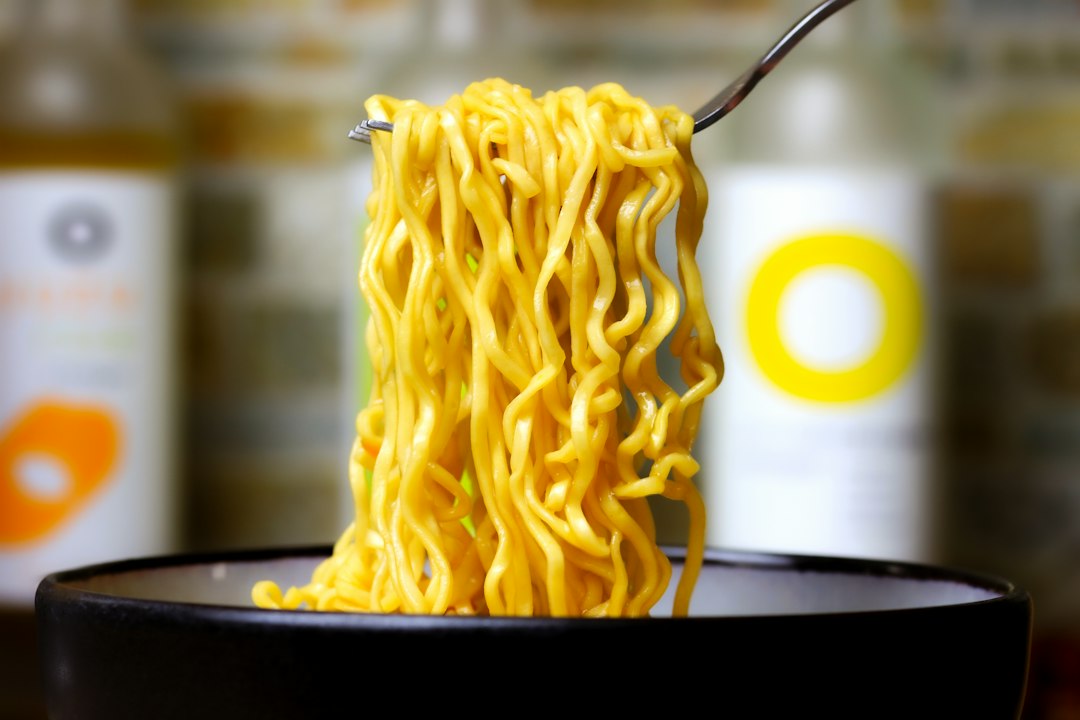
Photo by Mario Verduzco on Unsplash