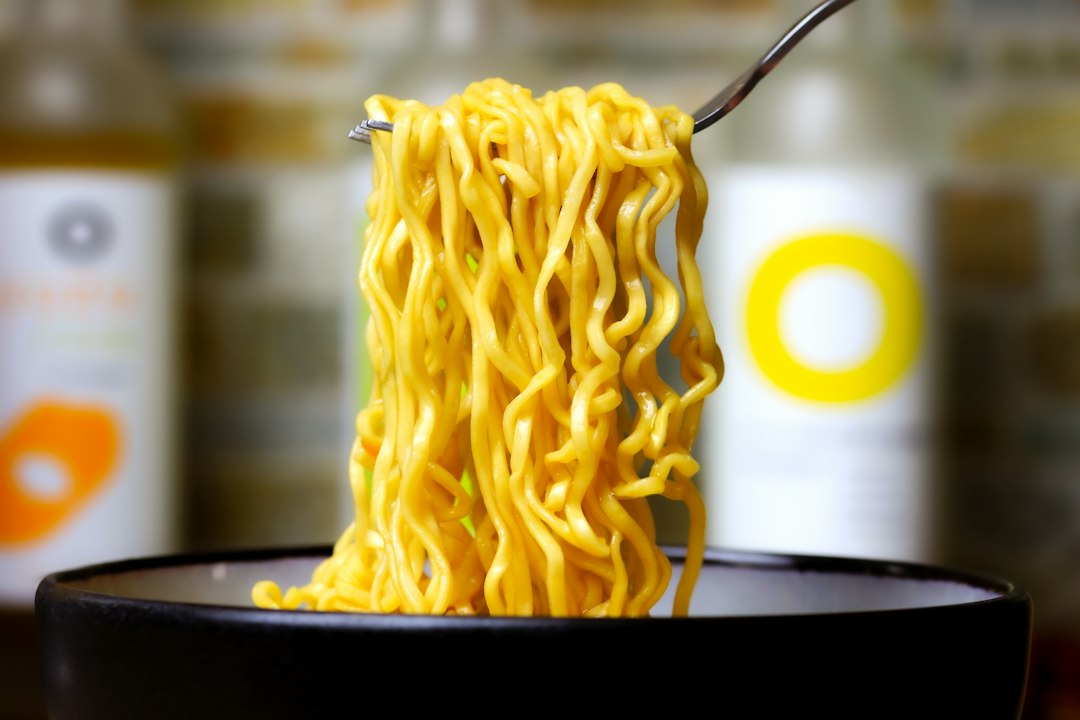
What Is Toshikoshi Soba?
As the last snow of the year settles over Japan and families gather beneath the kotatsu to watch the countdown to midnight, one dish appears on nearly every table across the country: toshikoshi soba, or ‘year-crossing noodles.’ This simple bowl of buckwheat noodles in hot dashi broth is far more than a quick winter meal—it’s a centuries-old ritual believed to sweep away the misfortunes of the passing year and welcome good luck into the next. Whether you’re spending New Year’s Eve in Japan or recreating the experience at home wherever you are, learning to make toshikoshi soba is one of the most meaningful ways to connect with Japanese winter culture.
The Meaning Behind the Tradition
The custom of eating soba on New Year’s Eve dates back to the Edo period, when merchants ate thin buckwheat noodles believing their long, easily-broken strands symbolized ‘cutting off’ the hardships of the old year while their length represented longevity and prosperity. Because soba noodles snap more easily than udon, eating them was thought to sever bad luck cleanly before the new year began. Today, toshikoshi soba is eaten anytime between the evening of December 31st and just before midnight, often while watching the famous Kohaku Uta Gassen singing contest on television, making it the perfect centerpiece for a cozy New Year’s Eve at home.
Ingredients You’ll Need
This recipe serves two, but can easily be scaled up for a family gathering. Most ingredients are available at Japanese or Asian grocery stores, and increasingly at well-stocked supermarkets abroad.
- 200g dried soba noodles (buckwheat noodles)
- 4 cups (1 liter) dashi stock (kombu and katsuobushi based, or a quality instant dashi powder)
- 3 tablespoons soy sauce
- 2 tablespoons mirin
- 1 teaspoon sugar (optional, to taste)
- 2 shrimp tempura or vegetable tempura pieces (store-bought or homemade)
- 2 slices kamaboko (steamed fish cake), for a festive pink-and-white garnish
- 2 stalks green onion, thinly sliced
- A handful of spinach or mizuna, blanched
- Shichimi togarashi (seven-spice blend), optional, for serving
Step-by-Step Toshikoshi Soba Recipe
1. Prepare the Dashi Broth
In a saucepan, bring the dashi to a gentle simmer. Add soy sauce, mirin, and sugar, stirring until dissolved. Taste and adjust—the broth should be savory-sweet and fragrant, not overly salty, since the noodles will absorb flavor as they sit in the bowl. Keep the broth hot but not boiling while you prepare the other components.
2. Cook the Soba Noodles
Bring a large pot of unsalted water to a rolling boil. Add the dried soba and cook according to the package instructions, usually 4 to 5 minutes, stirring occasionally to prevent sticking. Unlike pasta, soba cooks quickly and can turn mushy if left too long, so watch closely. Drain immediately and rinse thoroughly under cold running water, gently rubbing the noodles between your hands to remove excess starch. This step is essential for achieving the clean, slightly chewy texture that defines good soba.
3. Prepare the Toppings
While the noodles cook, warm your tempura in a low oven or toaster oven to keep it crisp rather than microwaving it, which can make it soggy. Slice the kamaboko and green onions, and have your blanched greens ready. If making tempura from scratch, shrimp tempura is the traditional favorite, but seasonal vegetables like sweet potato, kabocha squash, or shiitake mushroom also work beautifully and add a warming, autumn-into-winter flavor.
4. Assemble
Divide the cooked, drained noodles between two deep bowls. Ladle the hot dashi broth generously over the noodles until they’re fully submerged. Top each bowl with a piece of tempura, a slice of kamaboko, blanched greens, and a scattering of green onion. Finish with a pinch of shichimi togarashi if you enjoy a bit of heat. Serve immediately while the broth is steaming hot—the contrast between the crisp tempura and silky noodles is what makes this dish so satisfying on a cold winter night.
Regional Variations Worth Knowing
Japan’s regional diversity shows up even in this simple bowl. In Tokyo and much of eastern Japan, a dark, soy-forward broth is standard. In Osaka and western Japan, the broth tends to be lighter in color but rich with dashi depth. In Niigata Prefecture, some households top their soba with bittern-cured squid or fermented soybeans for extra luck, while in Okinawa, a version made with pork broth reflects the region’s distinct culinary identity. Feel free to experiment once you’ve mastered the base recipe—there’s no single ‘correct’ toshikoshi soba, only family and regional preference.
Tips for Travelers Who Want the Real New Year’s Eve Experience in Japan
If you’re planning a winter trip to Japan around the New Year holiday, toshikoshi soba culture extends well beyond the home kitchen, and a little planning goes a long way.
- Book soba restaurants early: Popular soba shops near shrines and train stations get extremely crowded on December 31st, especially in the hours before midnight. Consider eating an early dinner around 6 or 7 p.m. to avoid the dinner rush, or order takeout to enjoy in your ryokan or hotel room.
- Pair it with hatsumode plans: Many visitors eat toshikoshi soba at home or in a warm izakaya before heading out to a nearby shrine for hatsumode, the first shrine visit of the new year. Since temperatures often drop below freezing overnight, eating a hot bowl of soba beforehand is an excellent way to warm up before bundling up for the crowds and the cold.
- Dress for the cold: If you’ll be queuing outdoors at a shrine after your meal, wear thermal layers, a hat, and hand warmers (kairo), which are sold at every convenience store in Japan during winter.
- Reserve a kotatsu-equipped room: Some traditional ryokan offer kotatsu heated tables in guest rooms, letting you recreate the classic scene of eating toshikoshi soba while watching New Year’s Eve television, just as many Japanese families do.
- Grocery shop early: If you’re staying in a rental apartment and want to cook this recipe yourself, note that supermarkets often close early or entirely on December 31st and January 1st, so buy your soba noodles, dashi, and toppings a day or two in advance.
Make It Vegetarian or Vegan
Toshikoshi soba is easy to adapt. Swap the dashi for a kombu-and-dried-shiitake based vegan stock, use vegetable tempura instead of shrimp, and replace kamaboko with extra blanched greens or a few slices of soft tofu. The result is just as comforting and every bit as symbolic.
Frequently Asked Questions
Do I have to eat toshikoshi soba exactly at midnight?
No. While some families eat it right before the new year begins, most people enjoy it anytime during New Year’s Eve dinner. The key tradition is simply eating it before the year ends, not leaving any noodles unfinished into the new year, as that is considered to carry bad luck forward.
Can I make the broth ahead of time?
Yes, the dashi-based broth can be made a day in advance and reheated. However, always cook the soba noodles fresh just before serving, since they lose their texture quickly once cooked.
What’s the difference between toshikoshi soba and regular soba?
There’s no difference in the noodles themselves—it’s the timing and symbolism that make soba ‘toshikoshi.’ Any good-quality dried or fresh soba noodle can be used for this New Year’s Eve tradition.
However you enjoy it—at a bustling soba shop in Tokyo, in a snow-quiet mountain ryokan, or at your own kitchen table with the Kohaku singing contest playing in the background—toshikoshi soba is a small, warming ritual that connects millions of people across Japan on the last night of the year. Making it at home is simple, affordable, and a wonderful way to bring a piece of Japanese winter tradition into your own New Year’s Eve celebration.
Photo by Mario Verduzco on Unsplash