Discovering Kaiseki: Kyoto’s Most Refined Dining Tradition
There is no dining experience quite like a multi-course kaiseki dinner enjoyed within the tranquil setting of a traditional Kyoto ryokan. Combining centuries-old culinary philosophy with the quiet elegance of Japanese hospitality, kaiseki represents the pinnacle of Japanese gastronomy. For travelers seeking an authentic taste of Kyoto’s cultural heritage, staying at a ryokan and savoring its kaiseki dinner is an unforgettable rite of passage.
What Is Kaiseki Cuisine?
Kaiseki is a traditional multi-course Japanese dinner that emphasizes seasonality, balance, and artful presentation. Rooted in the tea ceremony and Zen Buddhist principles, kaiseki evolved over centuries into an elaborate dining format that treats each meal as a sensory journey rather than simply a means of sustenance. Every dish is thoughtfully composed to reflect the current season, using the freshest local ingredients available at that exact time of year.
Unlike a la carte dining, kaiseki unfolds gradually through a series of small, precisely portioned courses. Each course highlights a different cooking technique—raw, simmered, grilled, steamed, and fried—ensuring variety in texture, flavor, and temperature throughout the meal.
The History Behind Kaiseki
Kaiseki’s origins trace back to the simple meals served before formal tea ceremonies, designed to prevent guests from drinking tea on an empty stomach. Over time, this modest practice evolved into an elaborate culinary art form embraced by samurai, aristocrats, and eventually the merchant class. Kyoto, as Japan’s imperial capital for over a thousand years, became the epicenter of this refined cuisine, and today the city remains the best place in Japan to experience kaiseki in its most authentic form.
The Anatomy of a Kaiseki Course
While variations exist between ryokan and regions, a traditional kaiseki dinner typically follows a structured sequence of courses. Understanding this progression enhances appreciation of the meal.
- Sakizuke – A small appetizer to whet the appetite, often paired with a welcome cup of sake.
- Hassun – A seasonal course combining several small bites that represent the essence of the current season.
- Mukozuke – Fresh sashimi, showcasing the finest seasonal seafood.
- Takiawase – Simmered vegetables and proteins, cooked separately and arranged together for visual harmony.
- Futamono – A soup course, often served in a lidded lacquer bowl.
- Yakimono – A grilled dish, typically fish, showcasing traditional flame-cooking techniques.
- Su-zakana – A palate-cleansing vinegared dish.
- Shokuji – A rice dish accompanied by pickles and miso soup, signaling the meal’s conclusion.
- Mizumono – A seasonal dessert, often fresh fruit or a delicate wagashi sweet.
Each course arrives on carefully chosen tableware—ceramics, lacquerware, or glass—selected to complement the season and the dish’s colors and textures.
Why Kyoto Ryokan Are the Perfect Setting
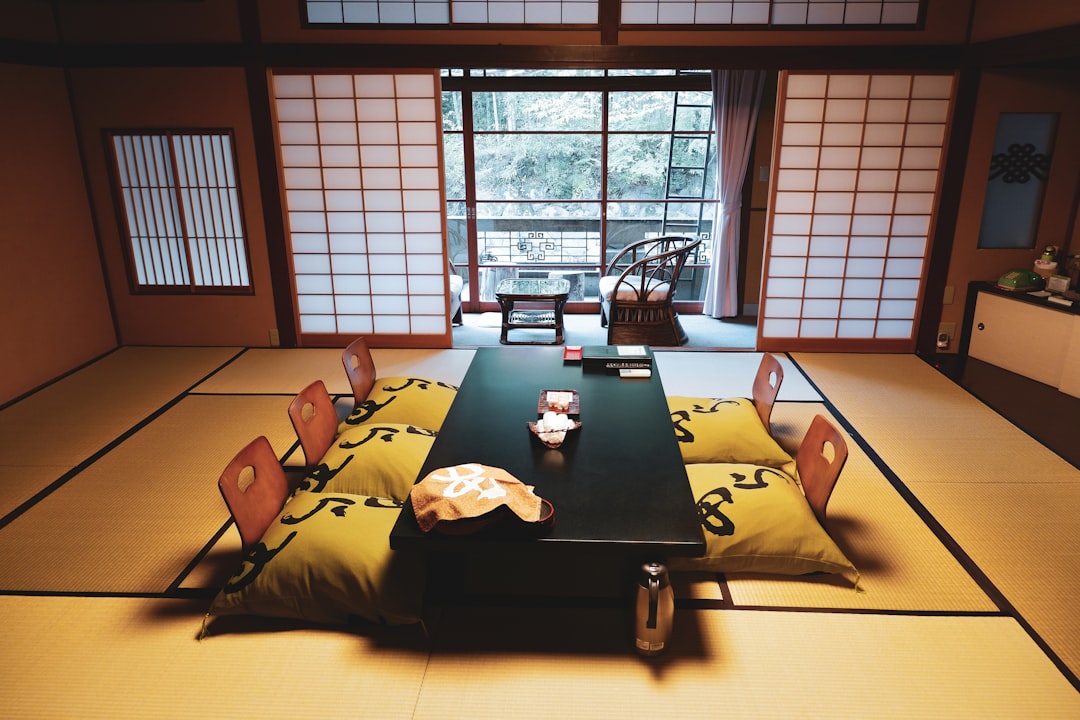
While kaiseki restaurants exist throughout Japan, enjoying this dining experience within a Kyoto ryokan adds an unmatched layer of authenticity. Traditional ryokan are often housed in historic wooden buildings featuring tatami-mat rooms, sliding shoji screens, and serene garden views. Guests typically dine in the privacy of their own room or a private dining area, wearing a comfortable yukata robe provided by the ryokan.
This intimate setting allows for a slower, more contemplative dining experience compared to a bustling restaurant. Attentive staff, often dressed in traditional kimono, explain each dish’s ingredients and preparation method, deepening guests’ understanding and appreciation of the meal.
Seasonal Ingredients: The Heart of Kaiseki
Kyoto’s kaiseki chefs draw heavily from the surrounding region’s agricultural bounty. Kyoto vegetables, known as kyo-yasai, feature prominently, alongside fresh river fish like ayu (sweetfish) in summer, matsutake mushrooms in autumn, and tender bamboo shoots in spring. Winter menus often highlight hearty hot pots and root vegetables, while summer dinners emphasize cooling, refreshing dishes served on glass or bamboo ware to evoke a sense of coolness.
This deep commitment to seasonality means that no two visits to the same ryokan will ever be identical, making kaiseki dining a genuinely evergreen experience worth revisiting throughout the year.
Sake and Beverage Pairings
Many Kyoto ryokan offer curated sake pairings to complement each course of the kaiseki meal. Local sake breweries from the Fushimi district, one of Japan’s most historic sake-producing regions, are often featured. Guests who prefer non-alcoholic options can typically request Japanese tea pairings, including matcha or hojicha, which also harmonize beautifully with the meal’s delicate flavors.
Dining Etiquette for Guests
For first-time visitors, a few simple etiquette tips can enhance the experience and show respect for this cherished tradition:
- Wait for your host or server to indicate when to begin eating each course.
- Use chopsticks properly, avoiding pointing or passing food between chopsticks.
- Take time to savor each dish rather than rushing through courses.
- Compliment the presentation and flavors—chefs take great pride in their seasonal creativity.
- Feel free to ask questions about unfamiliar ingredients or preparation methods; staff are usually happy to explain.
Accommodating Dietary Preferences
Many Kyoto ryokan now offer vegetarian, vegan, or allergy-friendly kaiseki options with advance notice. Shojin ryori, the traditional Buddhist vegetarian cuisine, provides a wonderful alternative that maintains the same artistic presentation and seasonal focus without meat or fish. Travelers with dietary restrictions should inform their ryokan when booking to ensure the kitchen can prepare suitable alternatives.
Choosing the Right Ryokan for Your Kaiseki Experience
Kyoto offers ryokan across a range of budgets and styles, from centuries-old inns nestled along the Kamo River to modern boutique properties with private open-air baths. When choosing where to stay, consider factors such as location, the reputation of the in-house chef, room size, and whether private dining is included. Higher-end ryokan often feature kaiseki dinners prepared by chefs trained in Kyoto’s kappo cooking tradition, delivering an exceptional culinary experience alongside luxurious accommodation.
Best Areas in Kyoto for Ryokan Stays
Popular districts for ryokan with excellent kaiseki dining include Gion, known for its geisha culture and traditional atmosphere; Higashiyama, near historic temples and stone-paved streets; and the quieter Arashiyama area, famous for its bamboo groves and riverside scenery. Each neighborhood offers a distinct ambiance to complement your dining experience.
Final Thoughts
A multi-course kaiseki dinner at a Kyoto ryokan is far more than a meal—it is an immersive cultural experience that engages all the senses. From the meticulous preparation of seasonal ingredients to the serene ambiance of a traditional Japanese inn, this dining tradition offers travelers a profound connection to Kyoto’s rich culinary heritage. Whether you’re visiting for a special occasion or simply seeking an authentic taste of Japan, booking a ryokan stay with kaiseki dinner included promises memories that will last long after your trip ends.
Photo by Susann Schuster on Unsplash