What Is Taiyaki? A Beloved Japanese Street Food
Few street snacks capture the heart of Japanese food culture quite like taiyaki. This fish-shaped pastry, traditionally filled with sweet red bean paste, has been warming hands and delighting taste buds since it first appeared in Tokyo over a century ago. Crispy on the outside, warm and gooey on the inside, taiyaki is more than just a snack — it’s a nostalgic symbol of Japanese confectionery craftsmanship that continues to evolve with modern flavors while honoring its traditional roots.
If you’re planning a trip to Tokyo and want to explore authentic Japanese sweets beyond mochi and dorayaki, taiyaki deserves a top spot on your food itinerary. In this guide, we’ll explore the history of taiyaki, what makes it special, where to find the best shops in Tokyo, and tips for enjoying this iconic treat like a local.
The History Behind Taiyaki’s Fish Shape
Taiyaki’s distinctive fish shape isn’t just for aesthetics — it’s rooted in Japanese culture and superstition. The pastry is molded to resemble tai (sea bream), a fish long considered auspicious in Japan and often served during celebrations like weddings and New Year festivities. By shaping an affordable sweet like a prestigious fish, early confectioners cleverly made a humble treat feel festive and special, even for everyday customers who couldn’t afford real sea bream.
The exact origins of taiyaki are debated, but most food historians trace it back to Tokyo’s Azabu-Juban neighborhood, where a confectioner adapted an earlier sweet called imagawayaki (a round pancake filled with red bean paste) into the now-iconic fish shape. The design became an instant hit, and taiyaki shops soon spread throughout the city and eventually across Japan.
What Makes Authentic Taiyaki Special
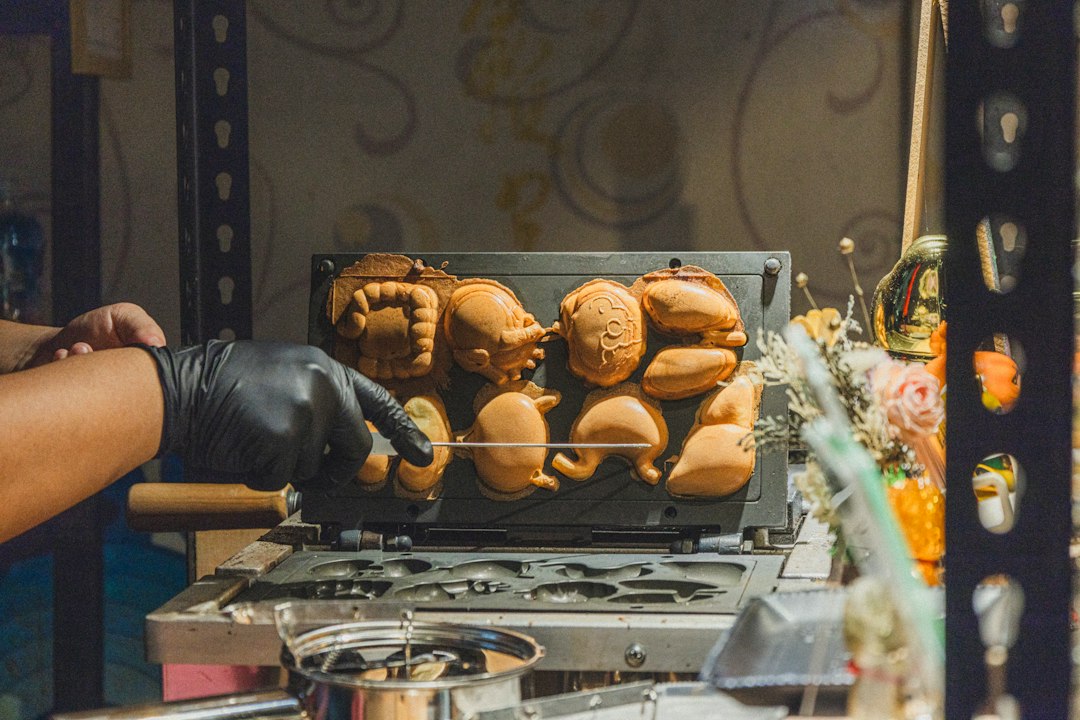
At its core, taiyaki consists of a thin, waffle-like batter cooked in specially designed fish-shaped molds, most traditionally over an open flame. The classic filling is tsubuan or koshian — chunky or smooth sweet red bean paste made from azuki beans. However, modern taiyaki shops have expanded the menu considerably, offering:
- Custard cream fillings for a rich, Western-inspired twist
- Chocolate and matcha cream variations
- Sweet potato (imo) paste, especially popular in autumn
- Cheese and savory fillings for those who prefer less sweetness
- Seasonal fruit-based creams like strawberry or chestnut
One key distinction taiyaki enthusiasts look for is whether a shop uses the traditional single-mold method (ikkodaki), where each taiyaki is cooked individually in a heavy iron mold, versus the mass-production method using multi-fish molds. Single-mold taiyaki tends to have crispier, thinner skin and is often considered the gold standard by purists.
Top Areas in Tokyo to Find Great Taiyaki
Azabu-Juban: The Birthplace of Taiyaki
No taiyaki pilgrimage in Tokyo is complete without visiting Azabu-Juban, widely regarded as the neighborhood where taiyaki originated. Long-established shops here have been perfecting their craft for generations, using time-honored recipes and cooking methods. The area has a charming, old-Tokyo atmosphere that makes it a wonderful stop for both history and flavor.
Asakusa: Traditional Sweets in a Historic Setting
Asakusa, known for its traditional shopping streets and historic temples, is another excellent spot to find quality taiyaki. Many shops here maintain old-school cooking techniques, and enjoying a freshly made taiyaki while strolling through Nakamise-dori or nearby side streets is a quintessential Tokyo experience.
Kichijoji and Shimokitazawa: Modern Twists on Tradition
For travelers interested in trendy, Instagram-worthy variations, neighborhoods like Kichijoji and Shimokitazawa are home to newer taiyaki shops experimenting with creative fillings, colorful batters, and fusion flavors. These areas attract a younger crowd and often feature limited-time seasonal specials.
How to Order and Enjoy Taiyaki Like a Local
Ordering taiyaki is simple, even if you don’t speak Japanese. Most shops display plastic food samples or photo menus, making it easy to point and choose. Here are a few tips to enhance your experience:
- Eat it fresh: Taiyaki is best enjoyed immediately after cooking, while the exterior is still crisp and the filling is warm.
- Check the tail: A well-made taiyaki has filling that extends all the way to the tail — a small but telling sign of quality craftsmanship.
- Try before you judge: If a shop offers small samples, take advantage to compare different fillings before committing.
- Watch it being made: Many shops have open kitchens where you can watch the mesmerizing process of pouring batter, adding filling, and flipping the molds.
Taiyaki vs. Imagawayaki: What’s the Difference?
Visitors often confuse taiyaki with imagawayaki (also called obanyaki or kaitenyaki in different regions), its round predecessor. While both share similar batter and fillings, the key difference lies in the shape and, often, the texture. Taiyaki’s fish mold creates thinner, crispier edges, particularly at the fins and tail, while imagawayaki tends to have a thicker, more uniformly soft texture throughout. Trying both side by side is a fun way to appreciate the nuances of Japanese confectionery.
Why Taiyaki Makes the Perfect Tokyo Souvenir Snack
Unlike many Japanese sweets that require refrigeration or careful packaging, taiyaki is designed to be eaten on the go, making it perfect for sightseeing days. It’s affordable, filling, and offers a genuine taste of Japanese culinary tradition without requiring a sit-down meal. Many travelers find that grabbing a taiyaki between temple visits or shopping stops becomes one of their most memorable food experiences in Tokyo.
Additionally, taiyaki-shaped merchandise, from plush toys to stationery, has become part of Japan’s broader pop culture, appearing in anime, manga, and character goods. This makes the food itself feel like a gateway into a wider appreciation of Japanese design and creativity.
Seasonal and Regional Variations Worth Trying
While red bean remains the classic choice, Japan’s love of seasonal eating means many taiyaki shops rotate their offerings throughout the year. Autumn often brings sweet potato and chestnut fillings, while summer might feature lighter, fruit-based creams. Some shops even offer matcha-flavored batter instead of the standard version, creating a visually striking green taiyaki that’s popular with tourists and locals alike.
Regional variations also exist beyond Tokyo, with some areas favoring different bean paste textures or incorporating local specialty ingredients into their fillings. Exploring these variations, even just within Tokyo’s diverse neighborhoods, offers a delicious way to understand how a single traditional snack can adapt and thrive across different communities.
Final Thoughts: A Must-Try Tokyo Food Experience
Taiyaki represents everything wonderful about Japanese street food culture: it’s affordable, deeply rooted in tradition, endlessly adaptable, and genuinely delicious. Whether you’re seeking out historic shops in Azabu-Juban, wandering the nostalgic streets of Asakusa, or discovering trendy new flavors in Kichijoji, taiyaki offers a warm, satisfying taste of Tokyo that’s accessible to every traveler.
Next time you’re exploring the city and catch the sweet aroma of batter cooking on an open flame, follow your nose — you’ll likely find a taiyaki shop nearby, ready to hand you a freshly made, fish-shaped piece of Japanese culinary history.
Photo by Lee Milo on Unsplash