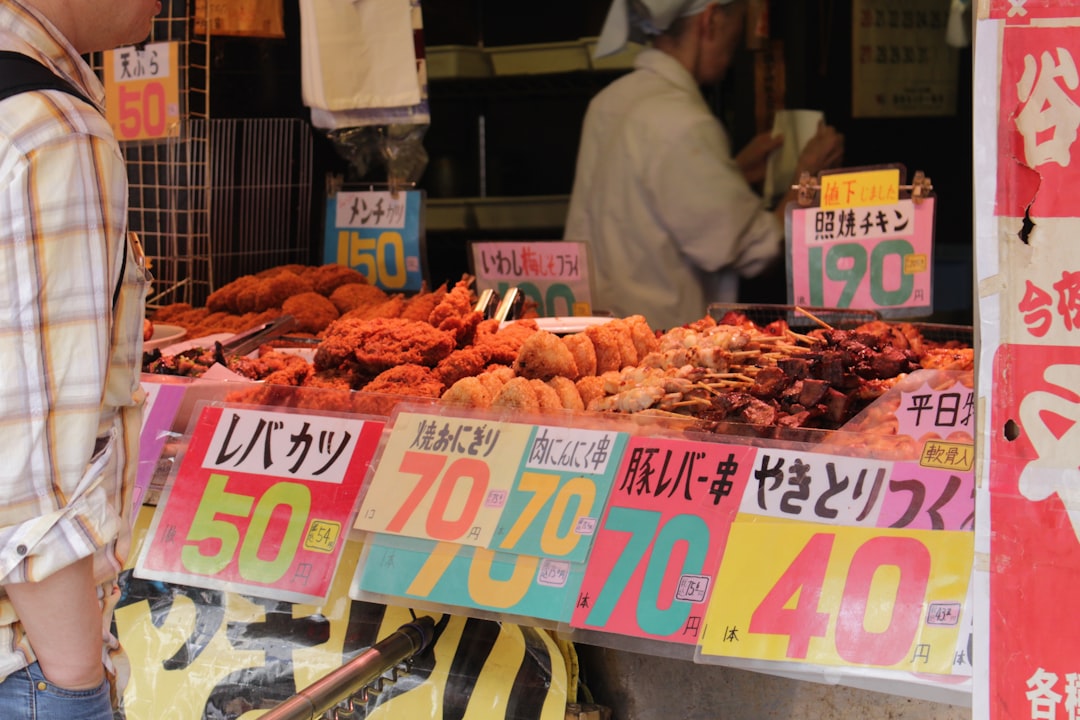
Welcome to Tokyo’s New Year’s Eve Countdown Food Stalls
There is no better way to warm up on a freezing winter night in Japan than wandering between glowing yatai (food stalls) as the countdown to the New Year approaches. Across Tokyo, temples, shrines, and busy entertainment districts fill with vendors selling steaming bowls of noodles, skewers of grilled meat, and cups of sweet amazake, creating a festive, aromatic atmosphere that blends solemn tradition with lively celebration. Whether you are chasing the countdown at Shibuya Scramble, waiting for the temple bells at Zojoji, or lining up for hatsumode at Meiji Jingu, understanding the food stall culture will make your New Year’s Eve in Tokyo unforgettable.
Why Food Stalls Are Central to Japanese New Year’s Eve
In Japan, New Year’s Eve (Omisoka) is steeped in ritual, and food plays a huge role. Many people eat toshikoshi soba, or “year-crossing noodles,” just before midnight, symbolizing a clean break from the old year and a wish for a long, healthy life. When crowds gather outdoors for countdown events or to visit shrines for hatsumode (the first shrine visit of the year), portable food stalls step in to recreate this tradition on the street, along with other cold-weather comfort foods that keep visitors fueled through the long, chilly wait for midnight.
Toshikoshi Soba: The Must-Try Countdown Dish
Look for stalls near major shrines and temples selling toshikoshi soba in disposable bowls. The noodles are typically served in a hot dashi broth with tempura, green onion, and sometimes a whole shrimp tempura on top. Eating a bowl while standing in the cold, surrounded by the murmur of the crowd and the distant sound of temple bells, is one of the most quintessential Japanese winter experiences you can have.
Oden: Tokyo’s Ultimate Winter Comfort Food
Oden stalls are everywhere during the New Year period. This simmered dish of daikon radish, boiled eggs, konjac, and fish cakes in a light soy-dashi broth is inexpensive, filling, and perfect for combating the winter chill. Many convenience stores also sell oden by the piece, making it an easy grab-and-go option if stall lines are too long.
Yakitori, Takoyaki, and Other Grilled Favorites
Skewered chicken yakitori, octopus takoyaki balls, and grilled corn are classic festival foods that appear at countdown events just as they do at summer matsuri. The smoky aroma and sizzling sounds add to the festive winter energy, and these bite-sized snacks are ideal for sharing while standing in a crowd.
Amazake and Warm Sweet Treats
Amazake, a low-alcohol (or non-alcoholic) fermented rice drink served hot, is a New Year’s staple often given out free or sold cheaply at shrines. Its sweet, slightly tangy flavor and warming effect make it perfect for sipping while waiting for the countdown or for hatsumode prayers. Other popular treats include taiyaki (fish-shaped cakes filled with sweet red bean paste), roasted sweet potatoes (yaki-imo), and hot chocolate or amazake lattes sold by seasonal vendors.
Best Tokyo Locations for Countdown Food Stalls
Zojoji Temple, Minato
Located near Tokyo Tower, Zojoji Temple hosts a joya no kane (New Year’s Eve bell-ringing ceremony) along with food stalls selling amazake, soba, and grilled snacks. The illuminated Tokyo Tower in the background makes this a particularly photogenic winter spot.
Meiji Jingu Shrine, Shibuya
One of Tokyo’s most popular hatsumode destinations, Meiji Jingu draws enormous crowds right after midnight. Numerous stalls line the approach paths, offering everything from oden to hot sake, making the long wait in line far more bearable.
Sensoji Temple, Asakusa
Asakusa’s historic Sensoji Temple combines old Tokyo charm with a festive New Year’s atmosphere. The nearby Nakamise shopping street and surrounding alleys fill with food vendors, and the temple bell rings 108 times at midnight in a traditional Buddhist ritual.
Shibuya Countdown Area
While Shibuya’s countdown crowd is famous for its energy, official street food stalls here are more limited due to crowd control measures. Nearby convenience stores and side-street vendors become essential for warm snacks and drinks.
Practical Tips for Cold-Weather Comfort
- Dress in warm layers: thermal base layers, a heavy coat, gloves, and a scarf are essential, as outdoor waits can last several hours in near-freezing temperatures.
- Bring disposable hand warmers (kairo), widely sold at convenience stores, and slip them into pockets, gloves, or shoes.
- Wear insulated, non-slip footwear, since some areas may have icy patches or frost.
- Carry a thermos or buy hot drinks from stalls and vending machines to stay warm from the inside out.
- Have small cash (coins and small bills) ready, as most stalls do not accept credit cards or IC cards.
Crowd Avoidance Strategies
- Arrive at popular shrines and temples at least one to two hours before midnight to secure a good spot near the stalls without facing the worst of the crush.
- Consider visiting slightly less famous shrines near your accommodation for a similarly festive but calmer experience with shorter stall lines.
- If you want to avoid the biggest midnight crowds altogether, visit for hatsumode on January 2nd or 3rd, when stalls remain open but foot traffic is noticeably lighter.
- Use public transportation schedules carefully, as many train lines run special all-night service on New Year’s Eve, but stations can become extremely congested around midnight.
- Keep group members together with a meeting point plan, since phone signal can be unreliable in dense crowds.
Budgeting for Your Food Stall Adventure
Most stall items are affordable, typically ranging from a few hundred yen for a skewer or drink to around a thousand yen for a full bowl of noodles or oden. Bringing around 3,000 to 5,000 yen in small denominations should comfortably cover a satisfying night of grazing between multiple stalls.
Etiquette Tips for Enjoying Street Food in Japan
- Eat food near the stall where you bought it rather than walking around with it, as walking while eating is traditionally discouraged in Japan.
- Dispose of trash properly; public bins can be scarce, so it helps to keep a small bag for your own rubbish.
- Queue politely and wait your turn, even in the busiest crowds, as orderly lines are a cultural norm at Japanese festivals.
- Return your bowl or utensils if the stall requests it, since some vendors use reusable dishware.
Combining Countdown Food with Hatsumode
Many visitors treat the countdown food stalls as the appetizer to hatsumode, the first shrine visit of the New Year. After enjoying soba or oden near midnight, join the crowd moving toward the shrine’s main hall to pray for good fortune, buy a fresh omamori (protective charm), and draw an omikuji (fortune slip). The combination of warm street food and spiritual tradition makes Tokyo’s New Year’s Eve one of the most memorable winter experiences Japan has to offer.
Final Thoughts
Tokyo’s New Year’s Eve countdown food stalls offer far more than just a snack, they are a gateway into Japanese winter culture, blending centuries-old rituals with the simple joy of hot, delicious food shared among friends, family, and strangers alike. With the right cold-weather preparation and a smart plan for avoiding the densest crowds, you can savor toshikoshi soba, oden, and amazake while ringing in the New Year in one of the most atmospheric cities in the world.
Photo by Natsuko D’Aprile on Unsplash