What Makes Wakayama Ramen Unique
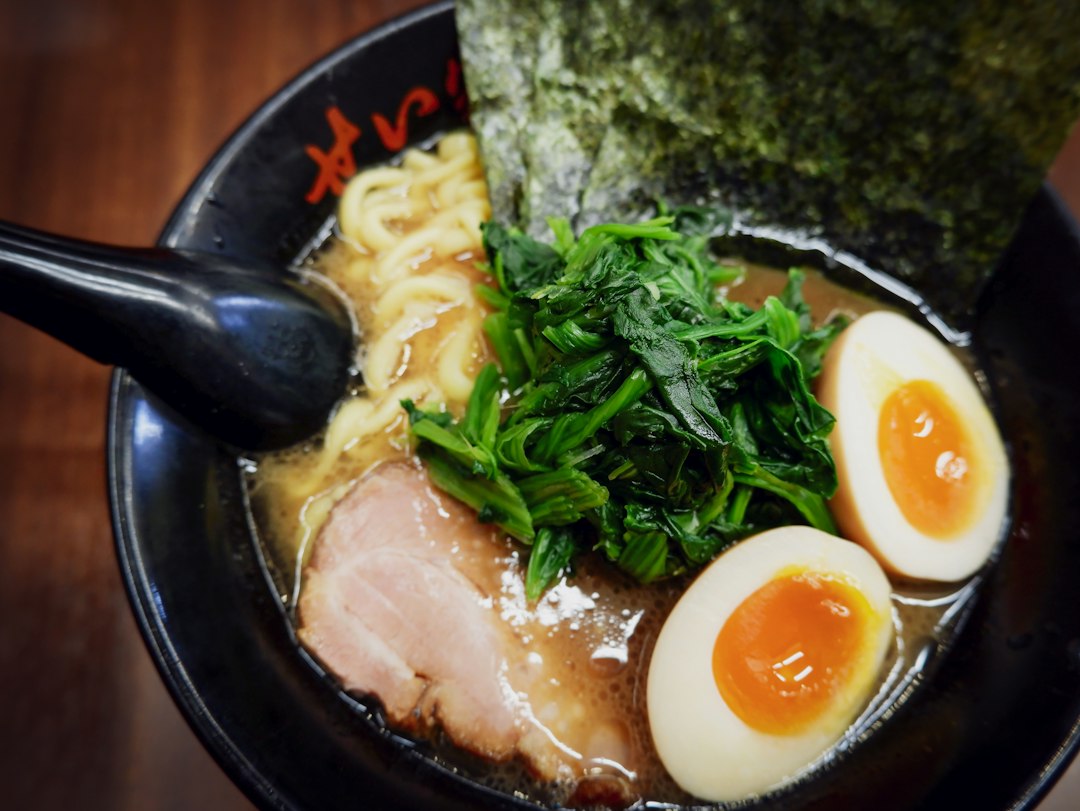
Wakayama ramen is one of Japan’s most beloved regional ramen styles, yet it remains delightfully under-the-radar compared to giants like Hakata or Sapporo ramen. Hailing from Wakayama Prefecture on the Kii Peninsula, this style is built around a rich, dark soy sauce (shoyu) broth that is deceptively deep in flavor. Unlike lighter shoyu ramens found elsewhere in Japan, Wakayama ramen combines a pork bone (tonkotsu) base with soy sauce seasoning, creating a broth that is both hearty and umami-packed without being overly heavy.
This unique fusion of tonkotsu richness and shoyu sharpness is what defines the category, and it has earned Wakayama ramen a devoted following among ramen enthusiasts touring Japan’s diverse noodle landscape.
The History Behind Wakayama’s Soy Sauce Broth
Wakayama ramen’s roots trace back to the early twentieth century, when ramen carts began appearing near Wakayama Station to serve railway workers and travelers. Over decades, local chefs experimented with combining pork bone stock with soy sauce tare, resulting in a broth style distinct from the shoyu ramens of Tokyo or the miso ramens of Hokkaido.
The city’s proximity to the sea also influenced the broth, with some shops incorporating dried sardines or other seafood elements to add another layer of umami depth. This coastal influence, paired with inland pork farming traditions, created the perfect environment for this hybrid broth style to flourish.
Two Main Styles: Sharp and Mellow
Within Wakayama ramen, connoisseurs typically identify two broth substyles:
- Sharp (Aji-tsuke) style: This version leans heavily into the soy sauce flavor, delivering a bold, salty, and slightly tangy broth with a deep amber color. It pairs perfectly with thin, straight noodles that soak up the seasoning.
- Mellow (Tonkotsu-shoyu) style: This version balances the soy sauce with a creamier, more prominent pork bone richness, resulting in a smoother, rounder flavor profile. It’s often served with slightly thicker noodles to match the broth’s body.
Both styles share the same DNA but offer different tasting experiences, making it worthwhile to try multiple shops during your visit to fully appreciate the range of Wakayama ramen.
Key Ingredients and Toppings
A proper bowl of Wakayama ramen typically includes:
- Chashu (braised pork): Thin slices of tender pork belly or shoulder, often simmered in a soy-based sauce that complements the broth.
- Menma (fermented bamboo shoots): Adds a slight crunch and tangy contrast to the rich broth.
- Kamaboko (fish cake): A traditional garnish that adds color and a subtle seafood note.
- Scallions: Fresh green onions for brightness and aroma.
- Nori (seaweed): Occasionally included for an extra umami layer.
One distinctive local custom is the pairing of ramen with hayazushi (early sushi), a type of pressed sushi unique to Wakayama. Many ramen shops serve small plates of this sushi alongside noodles, and locals often enjoy both together as a complete meal.
Where to Find Authentic Wakayama Ramen
The area around Wakayama Station and the historic Ide Shoten lineage of shops is considered ground zero for the style. Many of the city’s most established ramen shops have been serving their signature broth for generations, with recipes passed down through families. When exploring Wakayama City, look for shops with lines of local regulars, an indicator of consistently high-quality, authentic broth.
Beyond the city center, smaller towns throughout Wakayama Prefecture also offer their own interpretations of the style, often with subtle variations in tare recipes or noodle thickness. Exploring beyond the obvious tourist spots can lead to delicious surprises and a deeper appreciation for the regional nuances.
Tips for Enjoying Wakayama Ramen Like a Local
- Order the classic first: Start with the standard shoyu ramen before trying specialty variations, so you can appreciate the base broth flavor.
- Pair with hayazushi: Don’t skip this local specialty pairing—it’s a quintessential part of the Wakayama ramen experience.
- Visit during lunch hours: Many shops are busiest at lunchtime with locals on their breaks, offering a great atmosphere to soak in the culture.
- Don’t be afraid of small, unassuming shops: Some of the best bowls come from tiny counters with only a handful of seats.
- Finish the broth: The soy sauce broth is carefully balanced, and finishing it (or at least tasting it fully) shows appreciation for the chef’s craft.
How Wakayama Ramen Compares to Other Regional Styles
While Hakata ramen focuses purely on tonkotsu richness and Tokyo shoyu ramen emphasizes a lighter, clearer broth, Wakayama ramen sits comfortably in between. It offers the body and richness of tonkotsu with the bold seasoning of shoyu, creating a broth that’s satisfying without being overwhelming. This balance makes it an excellent entry point for travelers new to regional ramen exploration, as well as a rewarding discovery for seasoned ramen fans looking for something different.
Planning Your Wakayama Ramen Tasting Trip
Wakayama City is easily accessible by train from Osaka, making it a feasible day trip or an overnight stop for those exploring the Kansai region. Pair your ramen adventure with visits to Wakayama Castle, the scenic Kishu coastline, or the sacred sites of Mount Koya for a well-rounded itinerary that combines culture, history, and outstanding food.
Whether you’re a dedicated ramen pilgrim or simply curious about regional Japanese cuisine, Wakayama’s soy sauce broth ramen deserves a spot on your culinary bucket list. Its rich history, distinctive flavor profile, and welcoming local food culture make it an unforgettable stop on any Japan food tour.
Photo by Susann Schuster on Unsplash