Warming Up with Atsukan: Winter’s Favorite Izakaya Ritual
When the temperature drops and the first winter illumination lights begin twinkling along Japan’s shopping streets, nothing beats ducking into a smoky, lantern-lit izakaya for a cup of steaming hot sake. Known as atsukan, hot sake is a cornerstone of Japanese winter dining culture, especially during the long stretch of cold weather that runs from the year-end bonenkai party season through New Year’s hatsumode shrine visits and into the depths of January and February. This guide explores the best hot sake and food pairings for winter izakaya dining, along with practical tips for staying warm and avoiding the seasonal crowds.
Why the Japanese Drink Sake Hot in Winter
Sake can be enjoyed at a wide range of temperatures, but winter is when warmed sake truly shines. Heating sake mellows sharp acidity, rounds out umami flavors, and releases a fragrant aroma that pairs beautifully with rich, hearty winter dishes. For travelers arriving in Japan during the coldest months, ordering atsukan is also a wonderfully local way to fend off the chill after a day of sightseeing in the snow or standing in line at a shrine for New Year’s prayers.
Understanding Sake Temperature Terms
Izakaya menus often list several warming levels. Knowing these terms will help you order with confidence:
- Hinatakan (30°C): Sun-warmed, very gentle heat
- Nurukan (40°C): Lukewarm, popular for delicate ginjo-style sake
- Jokan (45°C): Warm, a classic all-purpose serving temperature
- Atsukan (50°C): Hot, the most common request in winter
- Tobikirikan (55°C+): Extra hot, bold and intense
If you’re unsure what to order, simply ask staff for “atsukan onegaishimasu” and let them recommend a suitable bottle.
Best Hot Sake and Izakaya Food Pairings for Winter
1. Junmai Sake with Oden
Oden, a simmered hot pot of daikon, konjac, boiled eggs, and fish cakes in a soy-dashi broth, is the quintessential winter izakaya dish. Its savory, slightly sweet broth pairs perfectly with warmed junmai sake, whose rice-forward umami and gentle acidity complement rather than compete with the broth’s depth.
2. Honjozo Sake with Yakitori
Grilled skewers of chicken, glazed in sweet-salty tare sauce or simply salted, are an izakaya staple year-round, but in winter their smoky warmth is especially comforting. Honjozo sake, warmed to jokan or atsukan temperature, has a light body and crisp finish that cuts through the char and fat of grilled meat without overwhelming it.
3. Kimoto or Yamahai Sake with Nabe Hot Pot
Nabe hot pots, whether the miso-based ishikari nabe from Hokkaido or a simple chicken and vegetable mizutaki, demand a sake with backbone. Traditionally brewed kimoto or yamahai style sake, which develop deeper, slightly tangy, almost sherry-like notes, stand up beautifully to the rich broths and are traditionally served warm.
4. Aged Koshu Sake with Nikujaga or Simmered Dishes
Nikujaga (meat and potato stew) and other simmered winter dishes benefit from the caramel, nutty complexity of aged koshu sake. Warming an aged sake intensifies its deep flavors, creating a pairing reminiscent of a fine sherry alongside slow-cooked comfort food.
5. Warm Nigori Sake with Karaage
Crispy Japanese fried chicken, or karaage, calls for a sake with enough texture and sweetness to balance the richness of the fried coating. A gently warmed nigori (cloudy) sake offers a creamy mouthfeel and mild sweetness that many travelers find approachable and delicious.
6. Hot Sake with Grilled Fish (Shioyaki)
Salt-grilled mackerel or saury, common winter izakaya offerings, pair naturally with a clean, warmed honjozo or futsushu (table-grade) sake. The saltiness of the fish and the warmth of the sake create a simple, satisfying combination beloved by locals.
Izakaya Etiquette Tips for Winter Visitors
Understanding a few customs will help first-time visitors enjoy the experience fully:
- It’s polite to pour sake for others at the table rather than yourself; someone will usually return the favor.
- Ordering an otoshi (small appetizer) is standard practice and usually comes with a small cover charge.
- Many izakayas offer nomihodai (all-you-can-drink) courses, which can be excellent value for groups during bonenkai and shinnenkai (New Year) parties.
- Smoking sections still exist in some traditional izakayas, so non-smokers may want to request a no-smoking seat when booking.
Cold-Weather Preparation Tips for Izakaya Hopping
Winter izakaya crawls are a wonderful way to experience Japan, but a little preparation goes a long way:
- Layer smartly: Izakayas are often warm and cozy inside but require walking between venues outdoors, so wear removable layers rather than one heavy coat.
- Bring warm socks: Many traditional izakayas have tatami seating requiring shoe removal, so thick socks help keep feet warm on cold floors.
- Book ahead during New Year’s week: Many restaurants close for several days around New Year’s, and those that stay open can be fully booked with bonenkai and shinnenkai parties, so reserve early.
- Avoid peak hatsumode crowds: If you’re visiting a nearby shrine before or after your izakaya meal, aim for early morning or late evening visits to skip the massive New Year’s crowds, then reward yourself with hot sake afterward.
- Watch for winter service charges: Some izakayas add a modest seasonal or otoshi charge during the busy year-end period, so check your bill for details.
Where to Find Great Hot Sake Izakayas in Winter
Cities like Tokyo, Kyoto, and Sapporo all offer exceptional winter izakaya scenes. In Tokyo, neighborhoods like Shinbashi and Nonbei Yokocho in Shibuya are packed with tiny standing-room izakayas perfect for warming up with atsukan after admiring winter illumination displays. In Sapporo, izakayas pair hot sake with fresh Hokkaido seafood hot pots, ideal after a day in the snow. Kyoto’s narrow alleyways hide traditional sake bars where kimoto-style brews are served alongside Kyoto-style oden.
Final Thoughts
Few experiences capture the spirit of a Japanese winter quite like sitting at a warm izakaya counter, cup of atsukan in hand, watching steam rise from a bowl of oden or a sizzling yakitori grill. Whether you’re recovering from a day of hatsumode shrine visits, admiring winter illuminations, or simply escaping the cold, matching the right hot sake to the right dish transforms a simple meal into an unforgettable seasonal ritual. Use this guide as your starting point, but don’t be afraid to ask izakaya staff for their own recommendations. Winter is exactly when Japan’s sake culture reveals its warmest, most comforting side.
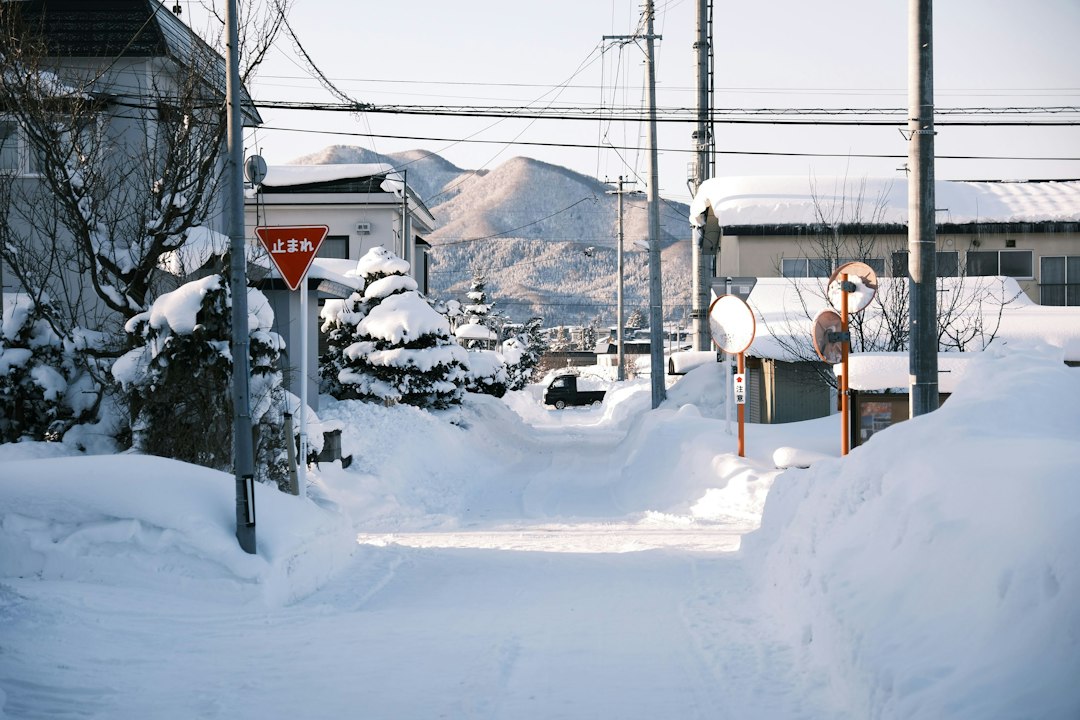
Photo by Seiya Maeda on Unsplash