Introduction to the Takayama Autumn Festival
Nestled in the mountainous Hida region of Gifu Prefecture, Takayama is celebrated for its beautifully preserved Edo-period streets, sake breweries, and rich craftsmanship traditions. Twice a year, this charming town transforms into a stage for one of Japan’s most spectacular float festivals. While the Takayama Spring Festival held in April tends to receive more international attention, the Takayama Autumn Festival, centered around the Hachiman Shrine, offers an equally mesmerizing experience with slightly smaller crowds and a distinctly autumnal atmosphere. This guide will walk you through everything you need to know about the float parade, from its history to practical tips for enjoying it fully.
A Brief History of the Festival
The origins of the Takayama festivals trace back several centuries to the Edo period, when the town flourished as a hub of trade and craftsmanship under the patronage of the Tokugawa shogunate. Skilled artisans, carpenters, and lacquerware craftsmen poured their talents into constructing ornate festival floats known as yatai. These floats were built not merely as decorations but as moving works of art, showcasing intricate wood carvings, gold leaf detailing, and mechanical puppets called karakuri. The Autumn Festival, dedicated to Hachiman Shrine, has been celebrated for generations as a way to give thanks for the year’s harvest and to pray for the town’s continued prosperity.
Understanding the Yatai Floats
The heart of the Takayama Autumn Festival lies in its magnificent yatai floats. Unlike the Spring Festival, which features eleven floats, the Autumn Festival showcases eleven floats as well, though the specific floats and their designs differ, since each festival belongs to a different shrine and processional route. Each float is a masterpiece of traditional Japanese craftsmanship, standing several meters tall and adorned with elaborate carvings, metalwork, and richly dyed curtains.
- Karakuri puppets: Some floats feature mechanical marionettes that perform delicate, almost lifelike movements, controlled by hidden strings manipulated by skilled puppeteers.
- Lacquer and gold leaf: Many floats are coated in black lacquer and accented with gold leaf, reflecting the wealth and artistic dedication of the merchants who funded their construction centuries ago.
- Symbolic motifs: Carvings often depict mythical creatures, phoenixes, dragons, and scenes from folklore, each carrying symbolic meaning related to protection, prosperity, or longevity.
The Float Parade Experience
The centerpiece of the Autumn Festival is the grand procession of floats through the streets of Takayama’s old town. Pulled by teams of local residents dressed in traditional attire, the floats move slowly along a designated route, accompanied by the rhythmic sounds of flutes, drums, and bells. This musical accompaniment, known as hayashi, adds a hypnotic layer to the visual spectacle, setting a festive yet solemn mood befitting the occasion.
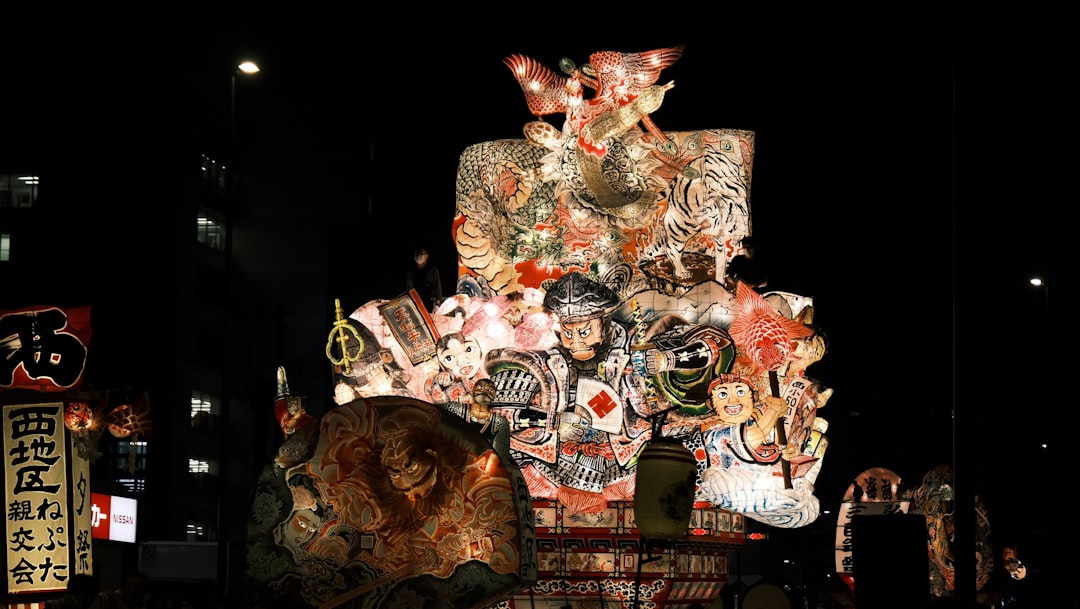
During the daytime parade, visitors can observe the floats up close as they pass through narrow streets lined with traditional wooden buildings. The juxtaposition of the ornate floats against the rustic townscape creates a photogenic scene that draws visitors from around the world. In the evening, several floats are illuminated with lanterns and paraded again, offering a completely different, more mystical atmosphere as the golden light reflects off the lacquered surfaces and carved details.
Best Viewing Spots
To fully appreciate the Takayama Autumn Festival float parade, choosing the right vantage point is essential. Here are some tips for finding the best views:
- Near Hachiman Shrine: Since the festival is dedicated to this shrine, the area surrounding it offers excellent opportunities to see the floats gathered together before and after the procession.
- Main street corners: Position yourself at intersections along the parade route, as floats often pause briefly, giving you a chance to admire the carvings and puppet performances without the crowd blocking your view for too long.
- Elevated spots: If available, balconies or slightly elevated areas along the route can provide a clearer overview of the procession, especially useful for photography.
- Evening lantern parade locations: Arrive early to secure a spot for the evening illuminated procession, as this portion of the festival tends to attract dense crowds eager to capture the lantern-lit floats.
Tips for Visiting
Attending the Takayama Autumn Festival requires some advance planning, especially since it draws both domestic and international visitors. Consider the following tips to make the most of your visit:
- Book accommodations early: Hotels and ryokan in Takayama fill up quickly during festival dates, so securing lodging well ahead of time is highly recommended.
- Dress for the weather: Autumn evenings in the Hida region can be quite cool, so layering your clothing is advisable, particularly if you plan to stay out for the evening lantern parade.
- Arrive early: To get a good spot along the parade route or near the shrine, arriving well before the scheduled start time is wise, as popular viewing areas fill up fast.
- Explore the old town: Take advantage of your visit to wander through Takayama’s beautifully preserved merchant district, sample local Hida beef, and visit sake breweries recognizable by their cedar ball signs.
- Visit the Festival Floats Exhibition Hall: If you cannot attend during the actual festival dates, this hall displays several yatai floats year-round, along with informative exhibits about their construction and history.
Combining the Festival with Other Attractions
Takayama’s charm extends well beyond the festival itself. Visitors can easily combine their festival experience with exploration of nearby attractions such as the Takayama Jinya, a preserved government house from the Edo period, or the morning markets along the Miyagawa River, where local farmers sell fresh produce and crafts. For those interested in extending their trip, the nearby village of Shirakawa-go, known for its traditional thatched-roof farmhouses, makes for a wonderful day trip that pairs beautifully with a festival visit.
Why the Autumn Festival Is Worth Experiencing
While both the Spring and Autumn festivals share similar themes and craftsmanship, the Autumn Festival’s setting amid crisp fall air and the changing colors of the surrounding mountains gives it a distinctly serene charm. The slightly smaller crowds compared to the Spring Festival also make it easier to appreciate the intricate details of the floats and the skill of the puppeteers without feeling overwhelmed. For travelers seeking an authentic glimpse into Japan’s traditional festival culture, paired with the natural beauty of autumn foliage, the Takayama Autumn Festival offers an unforgettable experience.
Final Thoughts
The Takayama Autumn Festival float parade is a celebration of craftsmanship, history, and community spirit that has been passed down through generations. Whether you’re drawn by the ornate yatai floats, the enchanting evening lantern procession, or simply the chance to explore one of Japan’s most beautifully preserved historic towns, this festival promises a memorable cultural experience. With thoughtful planning, comfortable footwear, and an appreciation for the artistry on display, your visit to the Takayama Autumn Festival is sure to become a cherished travel memory.
Photo by Seiya Maeda on Unsplash