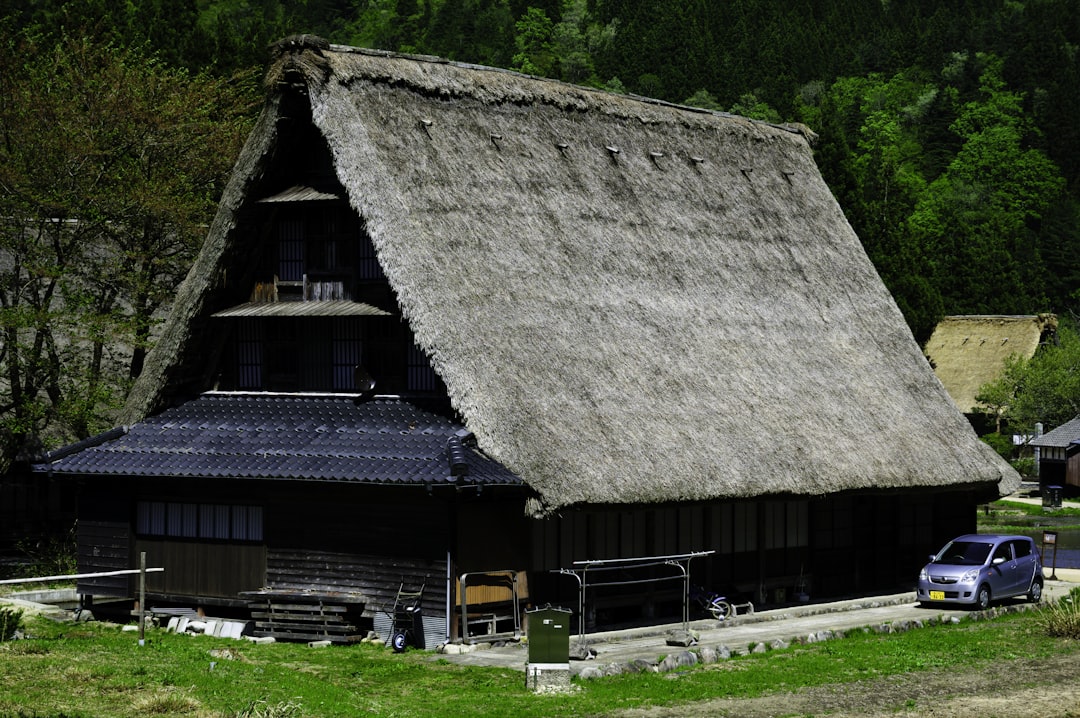
Discover Ouchijuku: A Journey Back to Edo Period Japan
Tucked deep in the mountains of Fukushima Prefecture, Ouchijuku is one of Japan’s most remarkable time capsules. This small post town, lined with thatched-roof farmhouses and a single unpaved main street, looks almost exactly as it did during the Edo period, when it served as a vital rest stop for travelers, merchants, and samurai processions moving between Aizu and Nikko. Today, Ouchijuku offers visitors a rare chance to walk through a living museum, where history has been lovingly preserved rather than reconstructed for tourists.
Unlike many historical sites in Japan that have been rebuilt or heavily restored, Ouchijuku retains its original layout and architectural character. The village is a designated Important Preservation District for Groups of Traditional Buildings, a status that has helped protect its unique atmosphere for future generations. Whether you’re a history enthusiast, a photographer, or simply looking for an authentic slice of rural Japan, this mountain village deserves a spot on your itinerary.
A Brief History of Ouchijuku
During the Edo period, Japan’s network of highways connected the capital with distant provinces, and post towns like Ouchijuku sprang up along these routes to provide lodging, food, and rest for travelers. Ouchijuku sat along the Aizu-Nishi Kaido, a route connecting the Aizu domain with Nikko and beyond. Feudal lords, merchants, and pilgrims once passed through its narrow street, stopping at inns and teahouses that lined the road.
As Japan modernized and railways replaced foot travel, many post towns fell into decline or were demolished to make way for new development. Ouchijuku, however, was largely bypassed by modernization due to its remote mountain location. This isolation, while economically challenging for residents at the time, ultimately preserved the village’s Edo-period charm. In more recent decades, local residents and preservation groups recognized the cultural value of their thatched-roof homes and committed to maintaining them in their traditional form, turning Ouchijuku into a celebrated heritage destination.
What to See and Do in Ouchijuku
Stroll the Historic Main Street
The heart of Ouchijuku is its single main street, flanked on both sides by thatched-roof buildings that once served as inns, shops, and residences. Many of these structures have been converted into souvenir shops, craft stores, and restaurants, but their exteriors remain faithful to Edo-period design. Walking the street feels like stepping into a woodblock print, especially early in the morning before the crowds arrive.
Visit the Ouchijuku Local History Museum
Housed in a former honjin, or official inn used by high-ranking travelers, this small museum offers insight into daily life during the Edo period. Exhibits include period tools, clothing, and information about the post town system that once connected Japan’s provinces.
Climb to the Viewpoint Above the Village
A short but somewhat steep climb up a hillside path near the Kosugi Shrine leads to a panoramic viewpoint overlooking the entire village. From here, visitors can appreciate the symmetry of the thatched roofs against the surrounding mountains, a scene that is especially breathtaking in winter when snow blankets the rooftops.
Try Negi Soba, the Local Specialty
No visit to Ouchijuku is complete without trying its famous negi soba. This local dish challenges diners to eat a bowl of buckwheat noodles using a single whole green onion (negi) instead of chopsticks, biting into the onion between bites of noodles. It’s a fun, slightly messy tradition that draws curious travelers from across the country.
Sample Local Crafts and Snacks
Along the main street, shops sell handmade crafts, pickled vegetables, sake, and grilled fish on skewers, a popular snack cooked over open charcoal fires right in front of visitors. These small eateries add warmth and sensory richness to the walking experience, with the smell of woodsmoke and grilled food drifting through the village.
Best Time to Visit Ouchijuku
Ouchijuku is a wonderful destination throughout the year, with each season offering a distinct atmosphere.
- Spring: Mild temperatures and fresh greenery make for pleasant walking conditions, with fewer crowds than peak seasons.
- Summer: Lush surrounding forests and cooler mountain air offer a refreshing escape from Japan’s hot and humid lowlands.
- Autumn: The hills around the village turn vibrant shades of red and gold, creating a stunning backdrop for the thatched roofs.
- Winter: Perhaps the most iconic season, when heavy snowfall transforms Ouchijuku into a fairy-tale landscape. A special snow festival is held in early winter, featuring illuminated snow lanterns and fireworks against the snow-covered village.
Because Ouchijuku sits in a mountainous region prone to heavy snowfall, winter visitors should plan for cold temperatures and check road conditions in advance, as access can occasionally be affected by weather.
How to Get to Ouchijuku
Ouchijuku is located in Fukushima Prefecture, within reasonable reach of Aizu-Wakamatsu, a larger city known for its castle and samurai history. Most visitors reach the village by taking a train to Yunokami-Onsen Station on a local railway line, followed by a short bus or taxi ride into the village itself. Alternatively, renting a car offers more flexibility, especially for those combining Ouchijuku with other attractions in the Aizu region, such as hot spring towns and historic castles.
Because Ouchijuku is a small, pedestrian-only village, cars must be parked in designated lots at the entrance, and visitors explore the main street on foot. This adds to the immersive, car-free atmosphere that makes the experience feel authentically historical.
Tips for Visiting Ouchijuku
- Arrive early in the day or consider staying overnight nearby to experience the village without heavy daytime crowds.
- Wear comfortable shoes, as the main street is unpaved and can be uneven, especially after rain or snow.
- Bring cash, as many small shops and food stalls may not accept credit cards.
- Combine your visit with nearby attractions in the Aizu region, including Tsuruga Castle and the historic streets of Aizu-Wakamatsu.
- Respect that many buildings are still private residences or family-run businesses, and be mindful when taking photographs.
Why Ouchijuku Belongs on Every Japan Itinerary
Ouchijuku offers something increasingly rare in modern travel: an authentic, living connection to the past that hasn’t been overly commercialized. Its thatched roofs, quiet mountain setting, and unique local traditions provide a meaningful contrast to Japan’s bustling cities and modern conveniences. For travelers seeking a deeper understanding of Edo-period life and rural Japanese culture, few destinations offer such a vivid and well-preserved glimpse into history.
Whether you visit during the golden hues of autumn, the snowy stillness of winter, or the fresh greenery of spring, Ouchijuku rewards visitors with a sense of timelessness that lingers long after the trip has ended. Add this remarkable mountain village to your Japan travel plans, and experience firsthand why it remains one of the country’s most treasured historical sites.
Photo by kai muro on Unsplash