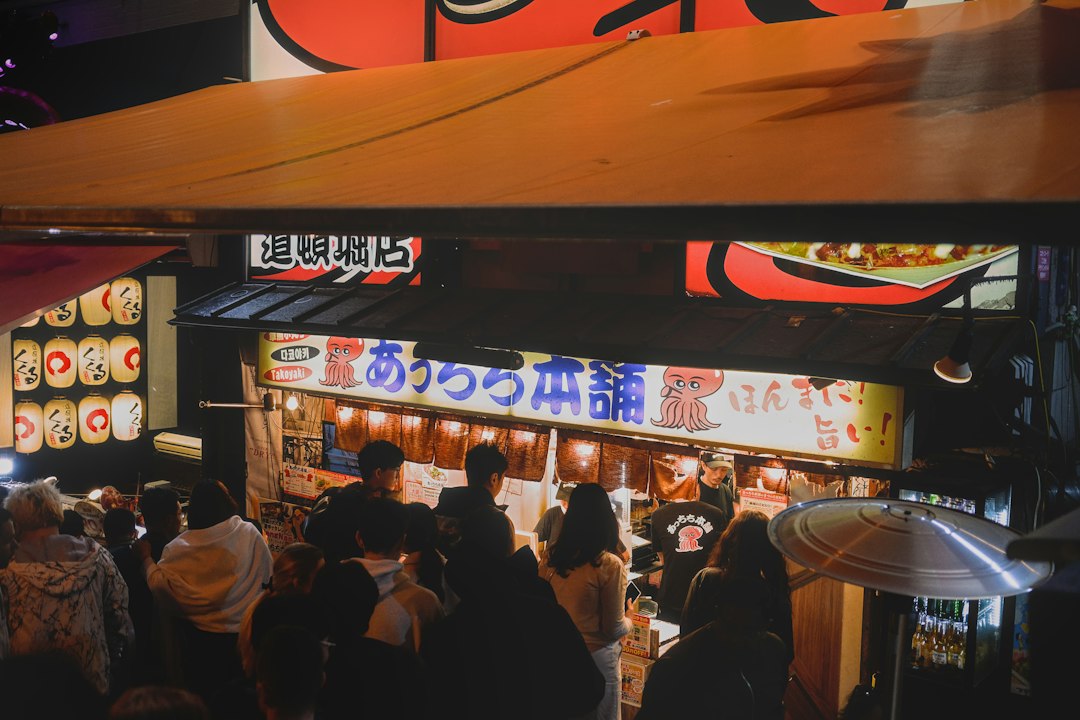
Welcome to Osaka’s Nighttime Food Playground
When the sun goes down in Osaka, the Namba district transforms into a glowing maze of neon signs, sizzling grills, and the irresistible aroma of grilled octopus and savory batter. Known as “Japan’s Kitchen,” Osaka takes its food culture seriously, and nowhere is that more obvious than in Namba, the beating heart of the city’s street food scene. This guide walks you through everything you need to know to eat like a local during an Osaka Namba night market crawl, from must-try dishes to insider tips on etiquette, budgeting, and the best walking routes.
Why Namba Is Osaka’s Ultimate Street Food Destination
Namba sits at the southern end of Osaka’s famous Minami (South) district, anchored by the iconic Dotonbori canal with its giant Glico Running Man sign and animated crab signage. Unlike quiet daytime markets, Namba truly comes alive after dark. Vendors fire up their griddles, izakayas open their doors, and narrow alleyways fill with the sound of sizzling batter and cheerful chatter. It’s less a formal “market” in the traditional sense and more a sprawling open-air food festival that happens every single night of the year, making it a perfect evergreen destination whether you’re visiting in spring cherry blossom season or the middle of a humid summer.
Getting There
Namba Station is served by multiple train and subway lines, including the Midosuji Line, Sennichimae Line, Yotsubashi Line, and Nankai Main Line, making it one of the easiest districts in Osaka to reach from anywhere in the city. If you’re staying in Umeda or Shin-Osaka, the subway ride takes roughly 10-15 minutes. Once you exit the station, follow the crowds toward Dotonbori-dori, and you’ll immediately smell your first clue that you’ve arrived.
Must-Try Street Foods in Namba
Takoyaki (Octopus Balls)
No visit to Namba is complete without takoyaki, Osaka’s most famous street snack. These golf-ball-sized spheres of batter are filled with tender octopus, green onion, and pickled ginger, then topped with savory-sweet takoyaki sauce, Japanese mayonnaise, and dancing bonito flakes. Look for stalls with long lines of locals, which usually signal the freshest, most authentic version. Many shops let you watch the cooks flip the balls with skewers in a mesmerizing display of speed and precision.
Okonomiyaki (Savory Pancake)
Often called a “Japanese pizza,” okonomiyaki is a savory pancake made with shredded cabbage, batter, and your choice of pork, seafood, or cheese, grilled on a hot iron plate and finished with the same sweet-savory sauce and mayo combo as takoyaki. Many Namba restaurants let you cook it yourself at a table-side griddle, which makes for a fun, interactive dining experience.
Kushikatsu (Deep-Fried Skewers)
While kushikatsu is most associated with the nearby Shinsekai district, plenty of excellent kushikatsu counters have popped up throughout Namba. These skewers of meat, seafood, and vegetables are breaded and deep-fried, then dipped in a communal sauce. Remember the golden rule: no double-dipping. It’s considered bad manners and most shops post signs reminding diners of this etiquette.
Kani Doraku and Seafood Specialties
Osaka’s proximity to the sea means fresh seafood is everywhere. Giant mechanical crab signs mark famous crab restaurants where you can slurp crab miso soup, crunch on crab tempura, or enjoy a full crab hot pot. Grilled scallops, oysters on the half shell, and skewered shrimp are also common street-side offerings, especially along the narrower alleys just off the main canal-side strip.
Kushiyaki and Yakitori
Grilled skewers of chicken, pork, and vegetables are a staple of Osaka’s izakaya culture. Many small standing-bar stalls in Namba specialize in yakitori, offering everything from classic thigh meat to more adventurous cuts like chicken skin and cartilage, best paired with an ice-cold beer or highball.
Ramen for a Late-Night Finish
After a night of grazing, many visitors cap things off with a bowl of ramen. Osaka has its own ramen style influenced by nearby regions, often featuring a rich pork-based tonkotsu broth. Several 24-hour ramen shops near Namba Station are perfect for a final, satisfying bite before heading back to your hotel.
Best Time to Visit the Namba Night Food Scene
Namba’s street food culture runs year-round, so there’s no single “best season” to visit. However, evenings between 6 PM and 10 PM tend to offer the liveliest atmosphere, with stalls fully stocked and crowds energized but not yet overwhelming. Weeknights are generally less crowded than weekends, so if you prefer a more relaxed pace for photos and casual strolling, a Tuesday or Wednesday evening is ideal. Regardless of when you go, arriving with an empty stomach is essential.
Suggested Walking Itinerary
- Start at Dotonbori Bridge for the classic photo with the Glico sign, then grab your first takoyaki from a nearby stall.
- Walk along the canal-side promenade, sampling grilled seafood skewers and casual snacks as you go.
- Detour into Hozenji Yokocho, a narrow stone-paved alley lined with atmospheric, lantern-lit eateries perfect for a sit-down okonomiyaki dinner.
- Head toward Sennichimae Doguyasuji for a browse through kitchenware shops, then return to the main strip for kushikatsu.
- Finish the night with ramen or a final drink at a small standing bar near Namba Station.
Budgeting for Your Food Crawl
Street food in Namba is generally very affordable. A serving of takoyaki (6-8 pieces) typically costs a few hundred yen, while a full okonomiyaki plate or seafood dish at a sit-down restaurant might run higher. Budgeting around 3,000-5,000 yen per person for a full evening of grazing, including a couple of drinks, is a reasonable estimate for most travelers, though prices vary by establishment and portion size.
Etiquette Tips for Street Food Dining
- Eating while walking is generally discouraged in Japan; try to eat near the stall or find a designated standing area.
- Bring cash. While larger restaurants often accept cards, many smaller street stalls are cash-only.
- Don’t litter. Trash cans can be scarce, so it’s polite to hold onto your wrappers until you find a bin, often located near convenience stores.
- Queue politely. Popular stalls can have long lines, and cutting is considered extremely rude.
- Say “itadakimasu” before eating and “gochisosama” after finishing as a polite nod to local custom.
Beyond Namba: Nearby Food Districts Worth Exploring
If you have extra time, consider extending your food journey to nearby Shinsekai, famous for its retro atmosphere and kushikatsu heritage, or Kuromon Ichiba Market, a covered market known for fresh seafood and daytime food stalls. Both are easily reachable by subway or a pleasant walk from Namba, making them excellent additions to a multi-day Osaka food itinerary.
Final Thoughts
Osaka’s Namba district offers one of the most exciting, accessible, and endlessly satisfying street food experiences in all of Japan. Whether you’re a first-time visitor or a repeat traveler, wandering its glowing lanes with a stick of takoyaki in hand is an experience that never gets old. Follow this guide, come hungry, and let Namba’s night market energy show you exactly why Osaka earned its reputation as Japan’s culinary capital.
Photo by Aoi on Unsplash