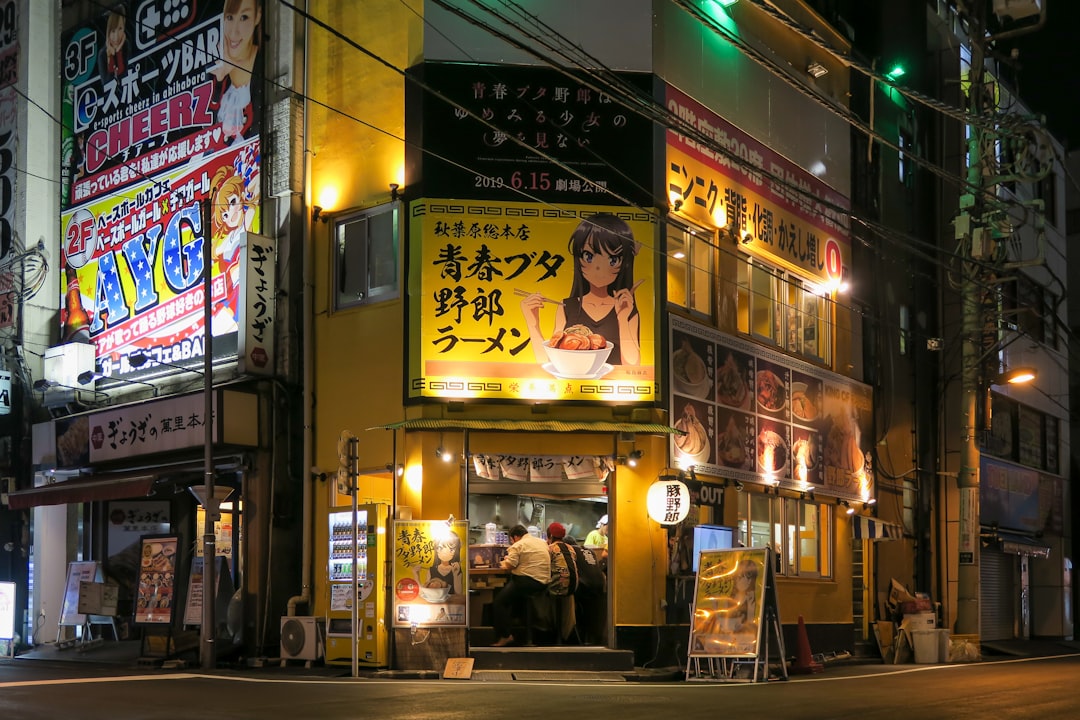
What Is Tachinomi? Tokyo’s Beloved Standing Bar Tradition
If you want to drink and eat like a true Tokyoite, skip the polished hotel bars and head straight for a tachinomi (立ち飲み), literally “standing drinking.” These no-frills standing bar izakayas are scattered under train tracks, tucked into narrow alleys, and hidden behind unmarked doors across the city. They strip away the pretense of formal dining and offer something far more valuable: an unfiltered slice of everyday Japanese life, cheap drinks, and remarkably good food served fast.
Tachinomi bars emerged as working-class refuges where salarymen could grab a quick beer and a skewer of grilled chicken on their way home without committing to a full sit-down meal. Today they’ve evolved into a beloved subculture of their own, attracting curious travelers, food bloggers, and locals alike who crave honest food, low prices, and the camaraderie that comes from shoulder-to-shoulder standing with strangers.
Why Tachinomi Bars Are a Must-Try Tokyo Experience
Unlike izakayas with table service and seat charges, tachinomi bars operate on efficiency and turnover. There are no seats, which means no otoshi (obligatory appetizer charge) in many cases, no long waits, and no pressure to order more than you want. You can pop in for a single beer and a skewer, or settle in for an hour of drink-hopping between several bars in one night — a practice known as hashigo-zake, or “ladder drinking.”
- Extremely affordable: drinks often start around 300-500 yen, and most dishes cost similarly little.
- Fast and casual: perfect for a quick bite between sightseeing stops.
- Authentic atmosphere: shoulder-to-shoulder with local office workers, retirees, and regulars.
- Great for solo travelers: standing bars are inherently social and welcoming to lone diners.
- Ideal for bar-hopping: many neighborhoods have several tachinomi within a five-minute walk.
Best Neighborhoods for Tachinomi in Tokyo
Shinbashi
Known as the spiritual home of the Tokyo salaryman, Shinbashi’s covered alleys and under-track arcades are packed with tachinomi bars serving yakitori, oden, and ice-cold draft beer. Come early evening and you’ll find a lively, unpretentious crowd unwinding after work.
Ueno and Ameyoko
The bustling market street of Ameyoko near Ueno Station is dotted with standing bars that spill out onto the street. It’s a fantastic spot to combine daytime shopping and street food with an early evening drink, especially if you enjoy a slightly rougher, more energetic atmosphere.
Yurakucho
Just beneath the train tracks near Yurakucho and Ginza, a row of smoky, atmospheric standing bars and yakitori stalls has operated for generations. This is prime hashigo-zake territory, with dozens of tiny establishments practically touching one another.
Kanda
A short walk from Tokyo’s business district, Kanda is filled with old-school tachinomi bars favored by office workers. Expect simple, hearty fare like grilled fish, boiled tofu, and pickled vegetables alongside your drink.
Ebisu and Nakameguro
For a slightly trendier take on the standing bar concept, Ebisu and Nakameguro offer modern tachinomi with curated sake and wine lists alongside the classic beer and shochu, appealing to a younger, style-conscious crowd.
What to Order at a Tachinomi Bar
Menus vary widely, but certain staples appear almost everywhere. Understanding what to expect makes ordering far less intimidating, even if the menu is handwritten in Japanese only.
- Drinks: draft beer (nama biru), highball (whisky and soda), sour (shochu with soda and flavoring), and sake are the classics. Many bars also offer a rotating selection of regional sake.
- Yakitori: grilled skewers of chicken, pork, or vegetables, often seasoned simply with salt or a sweet soy tare sauce.
- Oden: a warming winter favorite of ingredients like daikon, boiled eggs, and fish cakes simmered in a light dashi broth.
- Sashimi and small plates: especially near fish markets, expect incredibly fresh, affordable sashimi served in small portions.
- Pickles and simple sides: tsukemono (pickled vegetables) and edamame are common low-cost accompaniments.
Tachinomi Etiquette: How to Blend In Like a Local
Standing bars have their own unspoken rules. Following them will earn you friendly nods from regulars rather than confused stares.
- Order quickly: these bars move fast, so have an idea of what you want before you reach the counter.
- Pay as you go or settle at the end: some bars use a ticket system or tally your order verbally; ask staff if unsure.
- Don’t linger too long over one drink: since there’s no seating, it’s polite to keep drinking or eating steadily rather than occupying space empty-handed.
- Be prepared for cash only: many smaller tachinomi bars do not accept credit cards, so carry yen in small denominations.
- Share space graciously: standing bars are cozy by design; be ready to make room for new arrivals.
- Learn a few basic phrases: simple Japanese like “sumimasen” (excuse me) to get a staff member’s attention goes a long way.
Tips for First-Timers
Walking into a tiny bar full of regulars speaking rapid Japanese can feel intimidating, but tachinomi culture is far more welcoming than it first appears. Staff are usually happy to help visitors, and pointing at what your neighbor is having is a perfectly acceptable way to order if you’re unsure what to choose.
- Go during early evening hours right after work lets out for the liveliest atmosphere without an overwhelming crowd.
- Look for bars with photo menus or plastic food displays if you’re worried about language barriers.
- Start with a small order to gauge the vibe, then order more once you’re comfortable.
- Bring a friend for your first visit if solo dining feels daunting, though tachinomi bars are genuinely solo-friendly.
- Explore multiple bars in one evening rather than staying at a single spot all night; hashigo-zake is part of the fun.
Budgeting for a Tachinomi Night Out
One of the greatest appeals of tachinomi bars is how little they cost compared to typical Tokyo dining. A single drink and a couple of skewers can easily come in under a modest budget, making it possible to sample several bars across a neighborhood in one evening without breaking the bank. This affordability, combined with the quality of food on offer, is a major reason why standing bars remain popular with both budget-conscious travelers and Tokyo residents alike.
Final Thoughts on Exploring Tachinomi Culture
Tachinomi bars offer something increasingly rare in modern travel: a genuinely unscripted, local experience that hasn’t been packaged for tourists. Whether you’re grabbing a quick beer near the station after a day of sightseeing or embarking on a full night of bar-hopping through Shinbashi’s atmospheric alleyways, standing bars reveal a side of Tokyo that’s warm, unpretentious, and deeply rooted in everyday life. Next time you’re planning a night out in the city, skip the reservation-only restaurants and instead follow the smell of grilled chicken and the sound of clinking glasses into a tachinomi bar — you’ll likely leave with a fuller stomach, a lighter wallet, and a much richer sense of the city.
Photo by Shigeki Wakabayashi on Unsplash