The Art of Autumn Wagashi in Tokyo
When the sweltering heat of summer finally releases its grip on Tokyo, something magical happens in the city’s traditional confectionery shops. Wagashi, the delicate Japanese sweets that have been crafted for centuries, transform to reflect the season’s most beloved motifs: maple leaves, chestnuts, persimmons, and the deep golden hues of harvest time. For visitors and locals alike, exploring seasonal wagashi shops in Tokyo during autumn offers a sensory journey through Japan’s culinary artistry and its deep reverence for nature’s cycles.
Unlike Western confections that often remain static throughout the year, wagashi is inherently seasonal. Master confectioners, known as wagashi-shi, design their creations around the concept of kisetsukan, or seasonal awareness. Autumn brings some of the most visually stunning and flavor-rich wagashi of the entire year, making this the perfect time to seek out Tokyo’s finest traditional sweet shops.
Why Autumn Wagashi Is Special
Autumn in Japan is synonymous with abundance. The rice harvest, the ripening of chestnuts, the sweetness of persimmons, and the vibrant colors of turning maple leaves (momiji) all find their way into wagashi design and flavor profiles. Three ingredients dominate the autumn wagashi landscape:
- Kuri (Chestnuts): Sweetened chestnut paste appears in monaka, yokan, and kuri kinton, offering a rich, earthy sweetness unique to the season.
- Kaki (Persimmons): Dried and fresh persimmons lend their honeyed flavor to nerikiri sweets and jellies.
- Momiji and Ginkgo Motifs: Even when the flavor doesn’t directly involve autumn leaves, many wagashi are shaped and colored to resemble maple leaves or ginkgo fans, celebrating the visual beauty of the season.
These seasonal ingredients are often paired with matcha, sweet red bean paste (anko), and rice flour bases to create textures ranging from soft and chewy (mochi-based) to firm and jelly-like (yokan).
Top Neighborhoods for Wagashi Hunting in Tokyo
Asakusa: Tradition Meets Tourism
Asakusa remains one of the best districts to explore traditional wagashi culture. Many shops here have operated for generations, passing down recipes and techniques through family lines. Wandering the streets near Senso-ji Temple in autumn, you’ll find shop windows adorned with seasonal displays featuring chestnut-topped manju and maple-leaf shaped nerikiri.
Ningyocho: The Old Tokyo Sweet Trail
Ningyocho retains an old-world charm perfect for a leisurely wagashi crawl. This area is known for its dorayaki (sweet pancake sandwiches filled with red bean paste), and in autumn, many shops introduce limited-edition chestnut or sweet potato variations.
Ginza and Nihonbashi: Refined Elegance
For those seeking the most artistically refined wagashi, the upscale department stores and standalone shops in Ginza and Nihonbashi showcase confectionery as fine art. Here, autumn-themed nerikiri sweets are crafted with painstaking detail, resembling miniature sculptures of falling leaves, harvest moons, and rustic countryside scenes.
Yanaka: A Nostalgic Shopping Street
The Yanaka Ginza shopping street, tucked in one of Tokyo’s few neighborhoods to survive both the 1923 earthquake and WWII bombings largely intact, offers a nostalgic atmosphere perfect for discovering small, family-run wagashi shops that have served the local community for decades.
Must-Try Autumn Wagashi Varieties
Kuri Kinton
This chestnut-based sweet resembles a golden cloud and is often served during the autumn moon-viewing season. Its texture is soft and slightly grainy, with an intense, natural sweetness derived purely from chestnuts and sugar.
Tsukimi Dango
Though technically associated with the moon-viewing festival (Tsukimi) in early autumn, these round white dumplings arranged in a pyramid shape remain popular throughout the season. They symbolize the full moon and are typically enjoyed with a cup of green tea.
Momiji Manju
Shaped like a maple leaf, this steamed bun filled with sweet red bean paste is a beloved treat, particularly associated with the Hiroshima region but widely available and adapted by Tokyo confectioners during autumn.
Kuri Yokan
A firmer, jellied sweet made from red bean paste, agar, and whole or pureed chestnuts. Yokan makes an excellent gift item, as it keeps well and travels easily, making it a favorite souvenir for visitors.
Nerikiri
Perhaps the most artistic of all wagashi, nerikiri is a pliable sweet bean paste that confectioners sculpt into intricate seasonal designs, from delicate maple leaves to plump persimmons complete with tiny stems.
How to Choose the Right Wagashi Shop
With so many options across Tokyo, selecting where to spend your time and appetite can feel overwhelming. Consider these factors when choosing a shop:
- Specialization: Some shops focus exclusively on one type of wagashi, such as monaka or dorayaki, and tend to perfect that single craft.
- Seasonal Rotation: Look for shops that clearly display seasonal menus, as this indicates a commitment to using fresh, in-season ingredients rather than mass-produced, year-round offerings.
- Historical Significance: Long-established shops, some operating for over a century, often maintain traditional techniques that have been refined over generations.
- Presentation: Autumn wagashi should visually reflect the season through color and shape, whether through the use of natural dyes or careful sculpting techniques.
Pairing Wagashi with Tea
No wagashi experience is complete without the accompaniment of tea. Traditionally, wagashi is paired with matcha, whose slightly bitter, grassy notes balance the sweetness of the confection perfectly. However, many shops also offer sencha or hojicha as alternatives, each bringing out different nuances in the sweets’ flavor profiles. For an especially memorable experience, seek out shops or tea houses that offer a tasting set combining a seasonal wagashi with a freshly whisked bowl of matcha, ideally enjoyed while seated in a traditional setting with a view of a garden or courtyard.
Tips for Visiting Wagashi Shops
- Visit in the late morning when shops have their full seasonal selection freshly displayed and before popular items sell out.
- Many wagashi are best enjoyed the same day they are purchased, particularly nerikiri and mochi-based sweets, as they lack preservatives and are meant to be eaten fresh.
- Don’t hesitate to ask shop staff about the meaning behind a particular design; many autumn wagashi carry symbolic references to poetry, classical literature, or seasonal festivals.
- Consider purchasing a few different varieties to create your own tasting flight, comparing textures and flavors across chestnut, persimmon, and red bean based sweets.
- If visiting during a specific autumn week, check for limited-time offerings tied to moon-viewing festivals or harvest celebrations, as these often feature the most unique designs of the year.
Bringing Wagashi Home as Souvenirs
Many autumn wagashi, particularly yokan and monaka, are well-suited for travel and make thoughtful souvenirs. Beautifully packaged boxes of assorted seasonal sweets are available at department store basements (depachika) throughout Tokyo, offering convenient one-stop shopping for those short on time but eager to bring a taste of autumn Tokyo home. Individually wrapped sweets also make excellent gifts for coworkers or family, a common practice in Japan known as omiyage.
Final Thoughts
Exploring Tokyo’s seasonal wagashi shops during autumn offers far more than a simple sweet treat; it provides insight into a centuries-old tradition of honoring nature’s rhythms through edible art. Whether you’re wandering the historic lanes of Asakusa, browsing the refined shops of Ginza, or discovering hidden gems in Yanaka, each bite of chestnut, persimmon, or maple-leaf shaped confection connects you to the deep cultural appreciation Japan holds for the changing seasons. Make time during your Tokyo visit to slow down, savor a cup of tea, and enjoy these small, beautiful expressions of autumn.
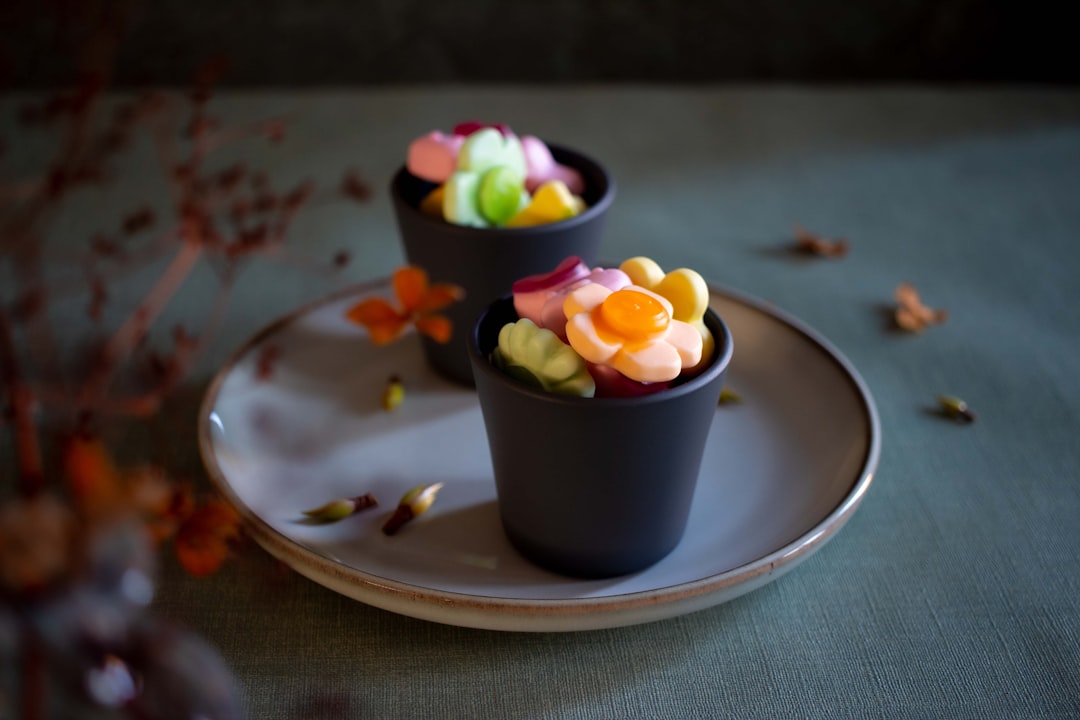
Photo by Wouter Supardi Salari on Unsplash