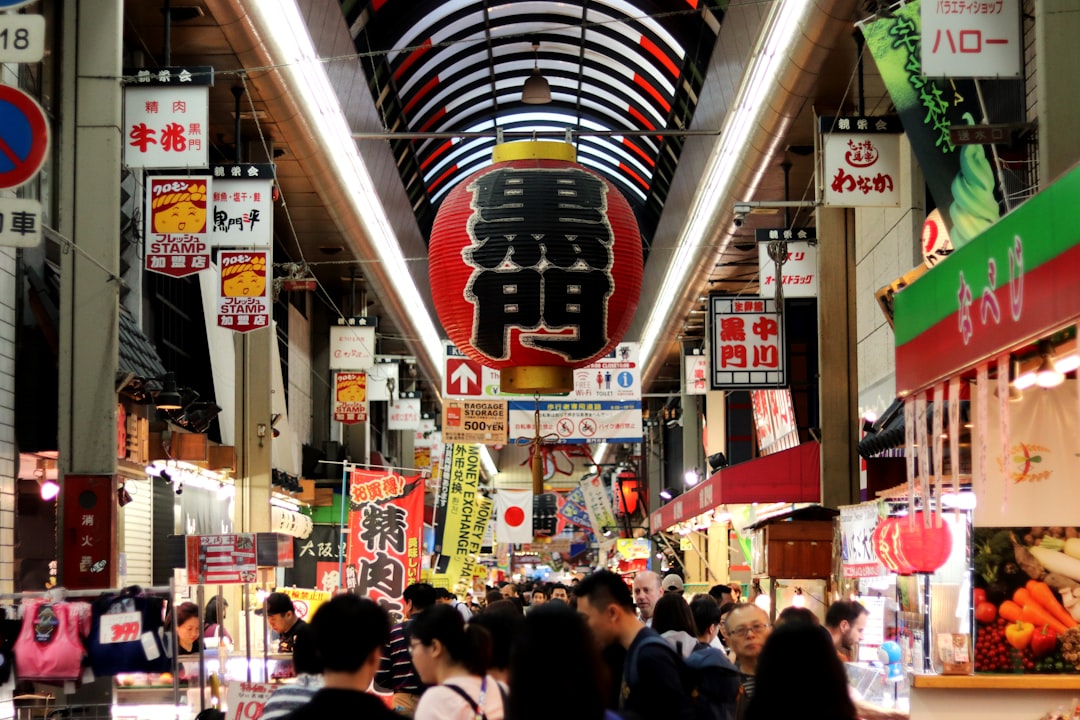
If there is one place in Osaka that captures the city’s unofficial motto of “kuidaore” (eat until you drop), it is Kuromon Ichiba Market. Tucked between the bustling districts of Namba and Nipponbashi, this narrow covered arcade stretches for roughly 600 meters and is lined with more than 150 shops selling everything from live seafood to skewered wagyu beef, seasonal fruit, and piping-hot street snacks. Often called “Osaka’s Kitchen,” Kuromon Ichiba Market has evolved from a local produce market into one of the city’s most beloved food destinations for both residents and travelers. This guide walks you through the market’s history, the best food stalls to try, practical tips, and everything else you need to make the most of your visit.
A Brief History of Kuromon Ichiba Market
Kuromon Ichiba Market traces its roots back roughly two centuries, when it began as an informal gathering of fishmongers and vegetable sellers near a black-gated temple, which is how the market got its name (“kuromon” means “black gate”). Over time, it grew into a full-fledged marketplace supplying fresh ingredients to Osaka’s restaurants and households. Today, while it still serves as a working market, its identity has shifted to accommodate the growing number of visitors eager to sample the freshest seafood and local delicacies on the spot, rather than take them home to cook.
Getting to Kuromon Ichiba Market
The market is conveniently located within walking distance of several train stations, making it an easy addition to any Osaka itinerary.
- Nippombashi Station (Osaka Metro Sennichimae and Sakaisuji Lines) – about a 2-minute walk from Exit 10
- Namba Station (Osaka Metro Midosuji, Yotsubashi, and Sennichimae Lines; Nankai and Kintetsu Lines) – roughly a 7 to 10-minute walk
- Tsuruhashi Station is nearby if you’re coming from the Korea Town area
Because of its central location, many travelers combine a visit to Kuromon Ichiba Market with a stroll through Dotonbori, Shinsaibashi shopping street, or Den Den Town for electronics and anime goods.
Must-Try Food Stalls and Dishes
With so many stalls crammed into one arcade, deciding what to eat can feel overwhelming. Here is a breakdown of the market’s signature categories and standout bites.
1. Fresh Seafood and Sushi
Seafood is the beating heart of Kuromon Ichiba Market. Many stalls display glistening cuts of tuna, scallops, sea urchin, and oysters on ice, ready to be grilled or served raw on the spot.
- Grilled scallops (hotate) brushed with butter and soy sauce, served straight off the grill
- Fresh oysters, either raw with a squeeze of lemon or lightly grilled
- Uni (sea urchin) served in the shell or atop a small rice bowl
- Otoro sushi, the fatty cut of tuna belly, sold as a single piece for those who want to splurge
- King crab legs, grilled or steamed, sold by the piece for easy snacking
Many seafood stalls allow you to pay per skewer or per piece, which makes it easy to sample a variety of items without committing to a full meal at any single stall.
2. Wagyu Beef Skewers
Osaka sits close to several premium wagyu-producing regions, and Kuromon Ichiba Market takes full advantage of this. Skewers of A5-grade wagyu, seared briefly over charcoal, are a market staple. The beef is often lightly salted or brushed with a savory sauce, letting the marbled fat speak for itself. Some stalls also offer wagyu nigiri, where a thin slice of beef is torched tableside and placed atop vinegared rice.
3. Tamagoyaki and Street Snacks
For something lighter, look for stalls selling tamagoyaki (rolled sweet omelet) on a stick, a nostalgic snack that pairs surprisingly well with the market’s savory offerings. Other popular street snacks include:
- Takoyaki (octopus balls), Osaka’s most iconic street food
- Kushikatsu, deep-fried skewers of meat and vegetables
- Fresh strawberries and seasonal fruit skewers, especially popular in the colder months
- Korokke (Japanese-style croquettes) filled with potato, crab, or curry
4. Sweets and Drinks
Balance out the savory bites with something sweet. Many stalls sell fresh-squeezed fruit juices, matcha soft-serve, and mochi. A cup of warm amazake (sweet fermented rice drink) is a comforting choice during cooler seasons, while chilled melon or peach slices are a refreshing treat in summer.
Tips for Visiting Kuromon Ichiba Market
Bring Cash
While an increasing number of stalls accept credit cards or mobile payments, many smaller vendors still operate on a cash-only basis. It’s wise to carry enough Japanese yen in small denominations to avoid awkward moments at the register.
Eat Standing Up (or Find a Bench)
Kuromon Ichiba Market is designed for grazing, not sit-down dining. Most stalls expect customers to eat their purchase near the stall or while walking slowly through the arcade. Be mindful of others, avoid walking while eating in crowded sections, and dispose of skewers and packaging in the provided bins.
Visit Early to Avoid Crowds
The market tends to get crowded from late morning through the afternoon, especially on weekends. Arriving early, shortly after stalls open, gives you a chance to browse more comfortably and catch the freshest morning seafood before the lunchtime rush arrives.
Ask Before You Photograph
Many vendors are happy to have their beautifully arranged seafood photographed, but it’s courteous to ask first, especially if you plan to photograph the vendor themselves or a live tank.
Pace Yourself
It’s tempting to buy something from every stall you pass, but portions add up quickly. Consider sharing dishes with a travel companion, or plan to walk the entire market once before deciding what to purchase, so you don’t fill up before reaching the best stalls.
Best Time of Year to Visit
Kuromon Ichiba Market is a year-round destination, with different seasonal specialties rotating through the stalls. Winter brings hearty crab and oyster offerings, spring showcases fresh strawberries and sakura-themed sweets, summer is ideal for chilled fruit and cold noodle dishes, and autumn ushers in seasonal fish like saury and a wider variety of mushrooms. No matter when you visit, there will always be something freshly in season to try.
Nearby Attractions to Pair With Your Visit
- Dotonbori – Osaka’s neon-lit entertainment district, just a short walk away, famous for its canal-side dining and iconic signage
- Shinsaibashi-suji Shopping Street – a covered shopping arcade perfect for fashion and souvenir shopping
- Den Den Town – Osaka’s answer to Tokyo’s Akihabara, ideal for electronics and anime merchandise
- Namba Yasaka Shrine – known for its striking lion-head-shaped stage, a quick detour from the market
Frequently Asked Questions
Is Kuromon Ichiba Market expensive?
Prices vary widely depending on what you order. Simple skewers and grilled items are affordable, while premium items like otoro sushi, wagyu, and king crab can add up quickly. Budgeting a moderate amount per person allows for a satisfying sampling without overspending.
How much time should I spend there?
Most visitors spend between one and two hours exploring the market, though food lovers eager to sample widely may want to allocate closer to three hours.
Is the market suitable for vegetarians?
While Kuromon Ichiba Market is heavily focused on seafood and meat, there are fruit stalls, vegetable tempura, and some sweet options available for vegetarian visitors, though choices are more limited compared to omnivorous diners.
Final Thoughts
Kuromon Ichiba Market offers one of the most authentic and delicious ways to experience Osaka’s food culture in a single afternoon. From glistening seafood and melt-in-your-mouth wagyu to nostalgic street snacks and seasonal sweets, the market rewards curious eaters willing to wander stall to stall. Pair your visit with nearby Dotonbori or Shinsaibashi for a full day of exploring Osaka’s vibrant food and shopping scene, and come hungry, because this is one market where grazing is not just allowed, it’s expected.
Photo by Cody Chan on Unsplash