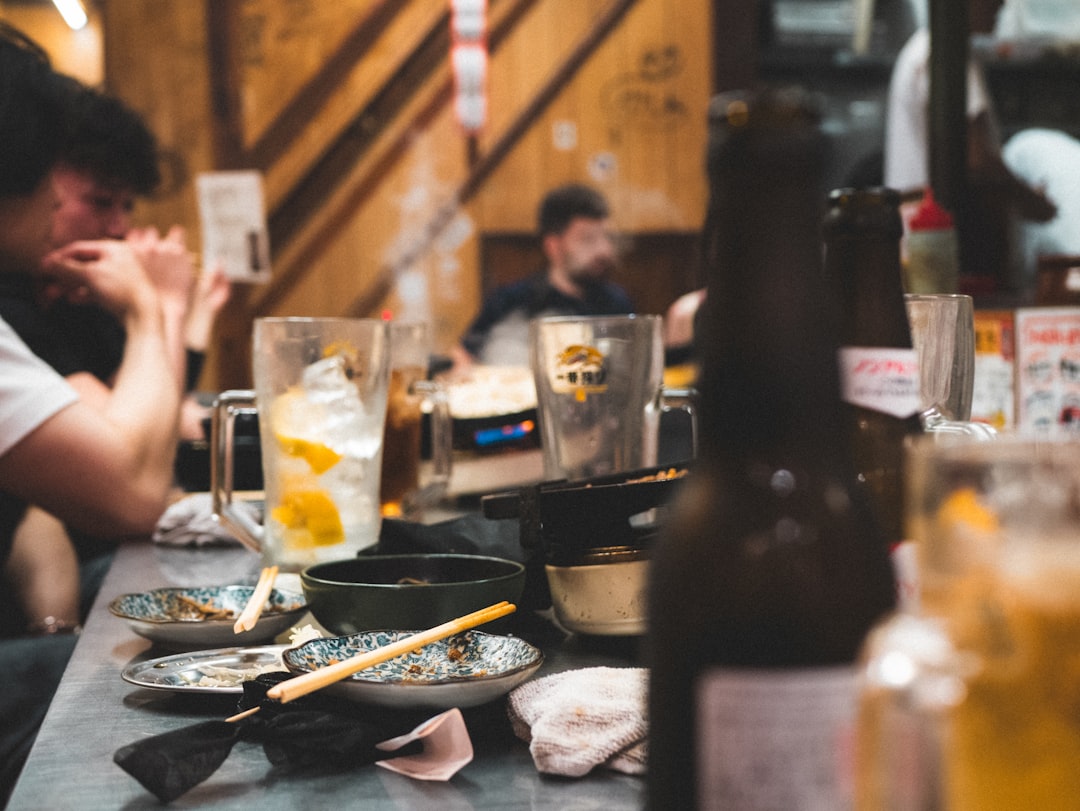

Photo by Mario Tuzon on Unsplash
What Is an Izakaya, Anyway?
An izakaya is Japan’s answer to the gastropub — a casual, convivial spot where small plates of food are designed to be shared over drinks. Unlike a typical Western restaurant where everyone orders their own entrée, izakaya dining is communal, unhurried, and built around grazing rather than a single main course. For first-time visitors, the menus can feel overwhelming: rows of Japanese characters, unfamiliar ingredients, and a rhythm of ordering that’s completely different from what you’re used to at home. This guide breaks down everything you need to know to order confidently, eat well, and enjoy the izakaya experience like a seasoned regular.
Step One: Understanding the Otoshi (Seating Charge Appetizer)
As soon as you sit down, many izakaya will bring you a small dish — often something like boiled edamame, pickled vegetables, or a tiny simmered dish — without you ordering it. This is called otoshi (sometimes called tsukidashi in the Kansai region), and it functions as a mandatory table charge, typically a few hundred yen per person. It is not a scam or a mistake; it’s standard practice across almost all izakaya in Japan, so don’t be alarmed if you didn’t ask for it. Simply enjoy it as your appetizer while you browse the rest of the menu.
How Izakaya Menus Are Organized
Once you understand the structure, izakaya menus become much easier to navigate. Most are organized into categories, and knowing them helps you build a balanced meal:
- Otsumami / Zensai (small starters): cold dishes like edamame, hiyayakko (chilled tofu), or tsukemono (pickles)
- Sashimi / Sushi: raw fish plates, often a fixed “moriawase” (assortment) is the easiest option
- Yakitori: skewered grilled chicken parts, from thigh (momo) to skin (kawa) to cartilage (nankotsu)
- Agemono (fried dishes): karaage (Japanese fried chicken), tempura, and croquettes
- Yakimono (grilled dishes): grilled fish, vegetables, or meat
- Nimono (simmered dishes): stews like nikujaga (meat and potato) or oden
- Rice and noodle dishes: usually ordered near the end of the meal to finish things off
A well-rounded order typically includes one item from several of these categories rather than multiples from just one, ensuring a variety of textures and flavors across the table.
How Many Dishes Should You Order?
A useful rule of thumb is to order two to three small plates per person for the first round, then keep ordering as you go rather than requesting everything at once. Izakaya dining is meant to be paced — dishes arrive gradually, giving everyone time to eat, drink, and chat between courses. Ordering everything up front often results in your table being overwhelmed with plates all arriving simultaneously, which defeats the leisurely, social nature of the meal. Instead, treat it like tapas: order a few things, see how everyone feels, and keep the momentum going with new rounds every 15–20 minutes.
Sharing Etiquette
Small plates at an izakaya are meant to be shared, not claimed individually. It’s common (and expected) to use your chopsticks to take a portion from a shared plate onto your own small dish, which is usually provided at the start of the meal. If you’re unsure whether an item is meant to be split, it almost certainly is — izakaya portions are intentionally small so that a table of three or four can sample a wide range of dishes without overordering.
How to Actually Order: Calling the Staff
Unlike Western dining culture where making eye contact or waiting for the server to check in is standard, in Japan it’s completely normal — and expected — to call out for staff yourself. The most useful phrase to know is “Sumimasen!” (excuse me), said with a raised hand to get a server’s attention. Many izakaya also use tablet ordering systems or call buttons on the table, especially at larger chain locations, which can be a relief for those nervous about pronunciation. If you’re at a menu with pictures, pointing is completely acceptable; most staff are used to assisting non-Japanese-speaking guests and appreciate any effort to communicate.
Useful Phrases for Ordering
- Kore o kudasai (This one, please) — useful when pointing at a menu item or photo
- Osusume wa nan desu ka? (What do you recommend?) — great for letting staff guide you
- Toriaezu nama, futatsu (For starters, two draft beers) — a classic opening order phrase
- Okaikei onegaishimasu (Check, please)
- Nomihodai arimasu ka? (Do you have an all-you-can-drink option?)
Pairing Drinks With Small Plates
Drinks are just as central to the izakaya experience as the food. Draft beer (nama biru) is the classic starter, often ordered by the whole table as a way to kick off the meal together with a cheers (“kanpai!”). From there, consider pairing lighter, colder dishes like sashimi or hiyayakko with a crisp, dry sake, while richer fried or grilled items go well with highballs or shochu on the rocks. Many izakaya also offer nomihodai (all-you-can-drink) packages for a fixed time period, which can be an economical choice for groups planning to stay a while.
Common Pitfalls for First-Time Visitors
- Assuming otoshi is optional: It’s a standard charge, not an added item you can decline in most cases.
- Ordering one huge dish instead of several small ones: This goes against the communal spirit of izakaya dining and often leads to less variety and enjoyment.
- Expecting individual servers to check in regularly: You’ll need to flag someone down yourself when ready to order.
- Not asking about raw or unfamiliar ingredients: If you have dietary restrictions or allergies, don’t hesitate to ask staff, as many dishes contain seafood-based dashi stock or shellfish.
- Skipping the rice or noodle course: These are typically ordered at the end of the meal as a way to finish and are called “shime,” so don’t order them alongside your starters.
Final Tips for a Great Izakaya Experience
The beauty of izakaya dining lies in its relaxed, unhurried pacing and the sense of discovery that comes from trying a little bit of everything. Don’t be afraid to ask staff for recommendations, point at what other tables are enjoying, or simply try something you can’t quite identify on the menu — that’s half the fun. With this guide in hand, you’ll be ready to navigate any izakaya menu with confidence, order a well-balanced spread of small plates, and enjoy one of the most authentic and social sides of Japanese dining culture.