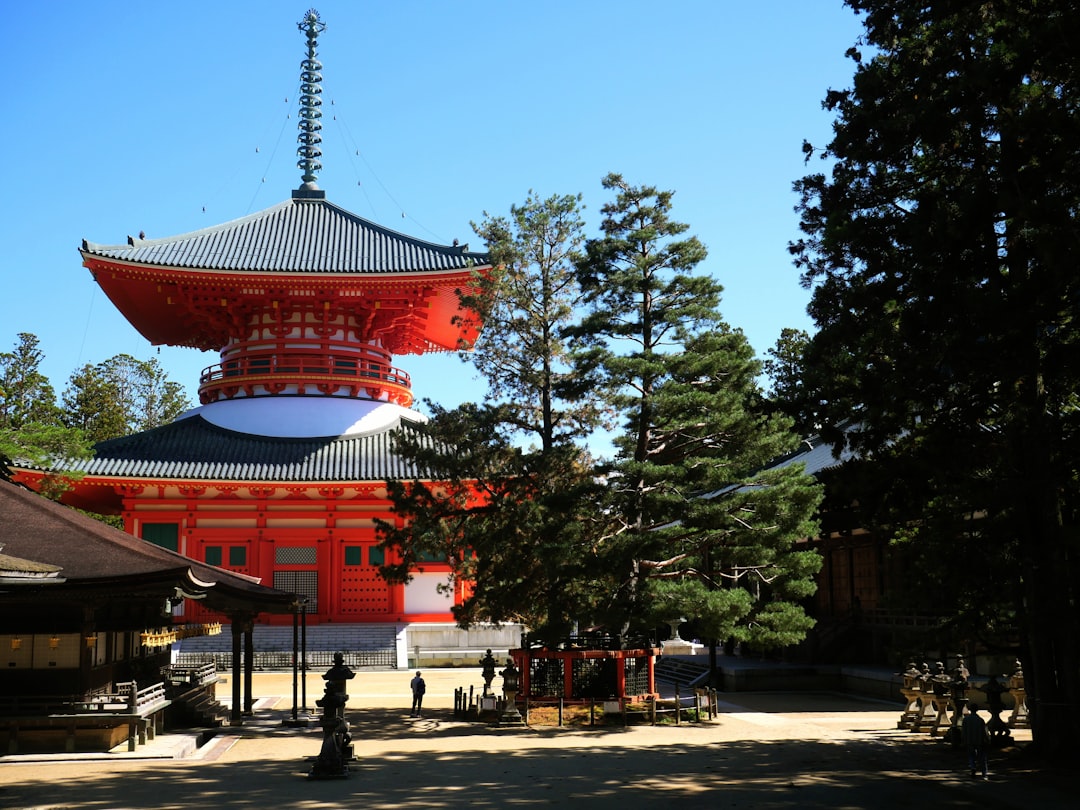

Photo by Andy Arbeit on Unsplash
What Is Shukubo? Japan’s Ancient Temple Lodging Tradition
Long before Japan had ryokan or capsule hotels, Buddhist temples across the country opened their doors to weary pilgrims walking sacred routes. This practice, known as shukubo (宿坊), literally translates to “lodging quarters,” and it remains one of the most authentic and spiritually enriching ways to experience Japan today. Unlike a standard hotel stay, a night at a shukubo invites you into the rhythm of monastic life, offering a rare glimpse into centuries-old traditions that continue to thrive in the modern era.
Originally built to house monks and traveling pilgrims visiting sacred mountains and temple complexes, shukubo have gradually opened their doors to general tourists, both Japanese and international. Today, they serve as a bridge between ordinary travel and genuine cultural immersion, allowing guests to sleep, eat, and even meditate within the same walls that have sheltered spiritual seekers for generations.
Where to Find the Best Shukubo Experiences in Japan
Koyasan (Mount Koya)
Perhaps the most famous shukubo destination in Japan, Koyasan in Wakayama Prefecture is the headquarters of Shingon Buddhism, founded by the monk Kukai (Kobo Daishi). This UNESCO World Heritage site is home to over a hundred temples, more than fifty of which offer shukubo accommodations. Staying overnight here allows visitors to wander the atmospheric Okunoin cemetery at dusk, when thousands of moss-covered lanterns flicker among towering cedar trees.
Mount Koya’s Neighboring Sacred Sites
Beyond Koyasan, other pilgrimage centers such as Mount Haguro in Yamagata (part of the Dewa Sanzan mountains) and Nara’s ancient temple district also offer shukubo stays, each with its own regional character, cuisine, and ritual practices.
Kyoto and Beyond
While less common than in Koyasan, select temples in Kyoto and other historic cities also provide lodging, often combined with cultural experiences like calligraphy or tea ceremony demonstrations, making them convenient for travelers who want a taste of temple life without venturing far from major cities.
What to Expect During Your Stay
Simple, Serene Accommodations
Rooms in a shukubo are typically traditional Japanese-style, featuring tatami flooring, futon bedding, and sliding paper doors called shoji. Furnishings are minimal, reflecting Buddhist principles of simplicity and mindfulness. While some temples now offer private bathrooms and modern amenities, others maintain a more austere, communal style, so it is worth checking in advance if comfort level matters to you.
Shojin Ryori: Buddhist Vegetarian Cuisine
One of the true highlights of any shukubo stay is the food. Guests are served shojin ryori, a meticulously prepared vegetarian cuisine rooted in Buddhist dietary principles that avoid meat, fish, and pungent ingredients like garlic and onion. Meals typically emphasize seasonal vegetables, tofu, rice, pickles, and miso soup, arranged with remarkable artistry. Every dish reflects a philosophy of gratitude and non-waste, transforming a simple meal into a meditative practice in itself.
Morning Prayers and Meditation
Perhaps the most memorable part of a shukubo stay is participation in the temple’s morning rituals. Guests are often invited, though rarely required, to join monks for early morning chanting sessions, sutra copying, or seated meditation known as zazen. Waking before dawn to the sound of drums and the scent of incense, then sitting in a candlelit hall as monks perform ancient chants, is an experience that lingers in memory long after checkout.
Additional Cultural Activities
Depending on the temple, guests may also have opportunities to try goma fire rituals, sutra copying (shakyo), Buddhist art appreciation, or guided walks through temple gardens. Some shukubo also offer optional early morning hikes to nearby shrines or scenic viewpoints, ideal for those wanting to combine spirituality with nature.
Practical Tips for a Shukubo Stay
- Book in advance: Popular temples, especially those on Koyasan, fill up quickly during peak travel seasons, so reserve your stay well ahead of time, either through the temple’s official website or a specialized booking platform.
- Arrive early: Most shukubo have earlier check-in times than standard hotels, often between 3 and 5 PM, since dinner and evening activities begin shortly after.
- Respect the quiet hours: Temples typically enforce lights-out or quiet policies earlier than city hotels, generally around 9 or 10 PM, in keeping with the early morning schedule.
- Dress modestly: Comfortable, modest clothing is appreciated, particularly if you plan to participate in prayer or meditation sessions.
- Bring cash: Many temple lodgings, especially smaller or more remote ones, do not accept credit cards, so carrying sufficient Japanese yen is essential.
- Learn basic etiquette: Remove shoes before entering tatami rooms, handle temple objects gently, and remain quiet during ceremonies out of respect for practicing monks.
Who Should Try a Shukubo Stay?
A shukubo experience is ideal for travelers seeking something beyond typical sightseeing, those interested in Buddhist philosophy, meditation practitioners, photographers drawn to atmospheric settings, and anyone wanting a peaceful retreat from Japan’s bustling cities. Families with older children can also find shukubo rewarding, though very young children might struggle with early wake-up calls and quiet requirements.
Solo travelers often find shukubo particularly appealing, as the structured schedule and communal dining naturally create opportunities for quiet reflection or gentle conversation with fellow guests and monks alike.
Shukubo vs Ryokan: Understanding the Difference
While both offer traditional Japanese-style accommodation, the two experiences differ significantly in purpose and atmosphere. Ryokan prioritize comfort, hospitality, and often include hot spring baths and elaborate multi-course dinners centered on local specialties. Shukubo, by contrast, emphasize simplicity, spirituality, and participation in temple life. Choosing between them depends on whether you’re seeking pampering relaxation or a more contemplative, culturally immersive journey.
Final Thoughts on Temple Lodging in Japan
A night spent in a shukubo offers far more than a place to sleep. It’s an invitation to slow down, breathe deeply, and momentarily step outside the rush of modern travel. Whether you’re drawn by spiritual curiosity, cultural interest, or simply the desire for a uniquely peaceful night’s rest, temple lodging provides an unforgettable window into Japan’s enduring Buddhist heritage. For travelers willing to wake early and embrace simplicity, the reward is a rare, quiet magic that few other accommodations in Japan can replicate.