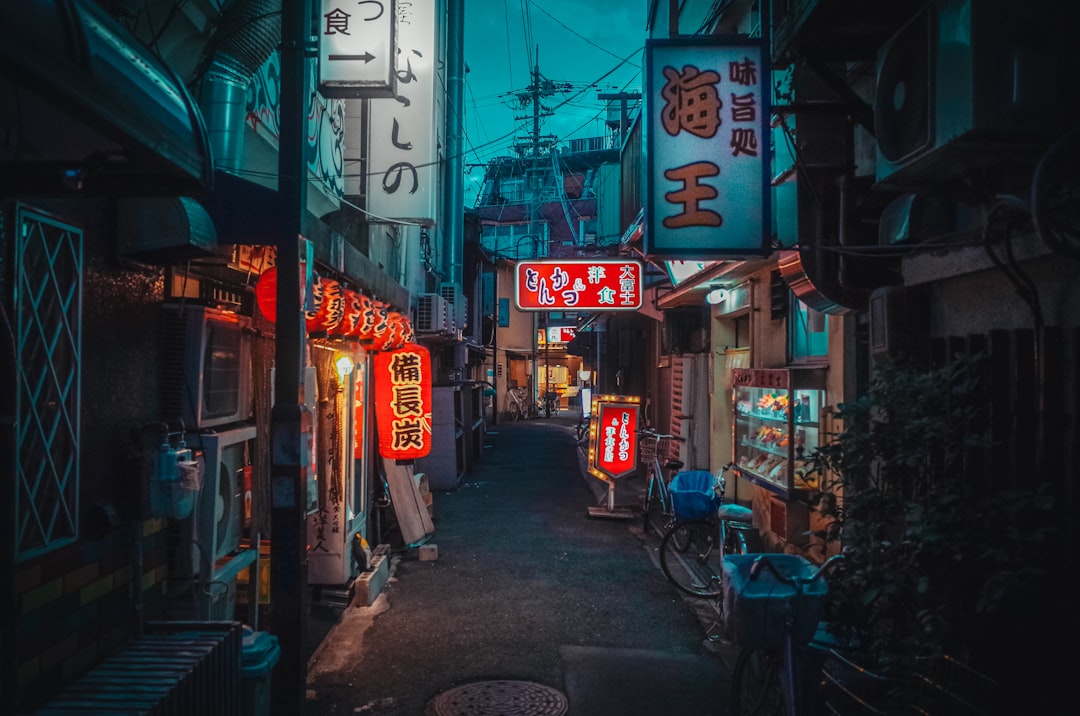

Photo by masahiro miyagi on Unsplash
What Is a Love Hotel, Really?
Mention the words “love hotel” to someone unfamiliar with Japan and you will likely get a raised eyebrow. But love hotels are one of the most fascinating, uniquely Japanese accommodation types, and they have very little to do with the seedy stereotypes that sometimes circulate online. In practice, a love hotel is a themed short-stay or overnight hotel designed primarily for couples seeking privacy, though a growing number of curious solo travelers and international visitors now book them purely for the novelty and design experience.
These hotels emerged in the postwar era as a discreet answer to Japan’s notoriously small, multi-generational homes, where couples often lacked private space. Over the decades, love hotels evolved from simple rest stops into elaborate theme parks of architecture and interior design, featuring everything from Renaissance castle facades to spaceship-themed suites with mirrored ceilings and karaoke machines.
Why Travelers Are Curious About Love Hotels
For visitors to Japan, love hotels represent a slice of pop culture and design history that cannot be found anywhere else in the world. Unlike standard business hotels, love hotels compete fiercely on theme, novelty, and in-room amenities, which means guests can experience:
- Themed rooms ranging from outer space and underwater worlds to classic European palaces
- Oversized bathtubs, private karaoke systems, and mood lighting
- Vending machines stocked with snacks, drinks, and novelty items
- Extremely affordable overnight rates compared to standard hotels
- A rare glimpse into a distinctly Japanese subculture
Because of this, love hotels have become an unexpected bucket-list stop for travelers interested in only-in-Japan experiences, alongside capsule hotels and ryokan stays.
How Love Hotels Actually Work
Booking Systems
Most love hotels do not operate like conventional hotels with a front desk clerk checking you in face-to-face. Instead, many use:
- Illuminated panels in the lobby displaying available rooms with photos, so guests can select a room before ever speaking to staff
- Automated payment machines or curtained reception windows that maintain guest privacy
- Digital touch panels for extending stays or ordering room service
This system was designed to protect the privacy of Japanese couples, but it also makes the experience feel refreshingly futuristic and discreet for international visitors.
Rest vs. Stay Pricing
Love hotels typically offer two main pricing structures:
- Rest (Kyukei): A shorter stay, usually two to three hours, ideal for an afternoon visit
- Stay (Nihaku or Shukuhaku): An overnight stay, typically checking in during the evening and checking out by mid-morning
Overnight stay rates are often surprisingly affordable, sometimes cheaper than a mid-range business hotel, making love hotels an attractive budget option for travelers who are comfortable with the concept.
Etiquette and Practical Tips for Visitors
If you are considering a love hotel stay as a novelty experience rather than for its original purpose, a bit of preparation goes a long way.
Things to Know Before You Book
- Most love hotels do not accept guests under a certain age, and some require couples rather than solo travelers or groups of friends, though policies vary widely by establishment
- Walk-in only is common; many love hotels cannot be booked in advance through mainstream travel sites, though some now appear on niche booking platforms
- Cash payment is still the norm in many smaller or older love hotels, so carry yen just in case
- Rooms are cleaned thoroughly and quickly between guests, and hygiene standards are generally very high
- Do not expect English signage everywhere; some panels and machines are Japanese-only, so having a translation app handy is useful
Choosing the Right Area
Love hotels cluster in specific entertainment districts within major cities. Popular areas to look for unique, well-reviewed options include nightlife and entertainment neighborhoods in Tokyo, Osaka, and Nagoya, where dense clusters of themed properties compete for attention with elaborate exteriors. Wandering these streets at night, even without booking a room, is itself a fascinating architectural sightseeing activity.
Iconic Love Hotel Themes You Might Encounter
Part of the appeal of love hotels is the sheer creativity poured into their design. While specific properties change over time, common themes travelers report finding include:
- European castle suites with four-poster beds and faux stone walls
- Space and sci-fi rooms with glowing ceilings resembling starry skies
- Traditional Japanese-style rooms with tatami mats and futon bedding for a more classic aesthetic
- Jungle or aquarium-themed rooms complete with tropical murals and fish tank features
- Retro disco rooms with mirrored walls and colorful lighting rigs
No two love hotels are exactly alike, and many properties feature multiple differently themed rooms under one roof, so repeat visitors can have an entirely new experience each time.
Are Love Hotels Safe and Comfortable for Tourists?
Generally, yes. Japan’s reputation for cleanliness and safety extends fully to love hotels. Rooms are sanitized meticulously between guests, security is discreet but present, and the overall experience is designed to feel private and comfortable rather than uncomfortable or unsafe. That said, cultural sensitivity matters: these spaces were built for a specific local purpose, so treating the stay with respect and curiosity rather than treating it purely as a joke or spectacle will make for a better experience for everyone involved.
Love Hotels vs. Other Unique Japanese Stays
Japan offers no shortage of only-in-Japan lodging experiences, and love hotels sit alongside several other iconic categories:
- Capsule hotels: Compact, efficient pods ideal for solo budget travelers
- Ryokan: Traditional inns with tatami rooms, futon bedding, and kaiseki dining
- Business hotels: Practical, no-frills rooms geared toward efficiency
- Love hotels: Themed, design-forward rooms geared toward novelty, privacy, and affordability
For travelers building an itinerary focused on experiencing the full spectrum of Japanese hospitality culture, sampling a love hotel alongside a traditional ryokan and a capsule hotel offers a fascinating contrast in design philosophy and cultural purpose.
Final Thoughts
Love hotels are far more than a punchline; they are a genuine piece of Japanese design history and urban culture, reflecting decades of ingenuity around privacy, space, and entertainment. For travelers open to a slightly unconventional overnight stay, a love hotel offers an affordable, memorable, and distinctly Japanese experience that few other countries can replicate. Approach it with curiosity and respect, and it may end up being one of the most talked-about stories from your entire trip to Japan.