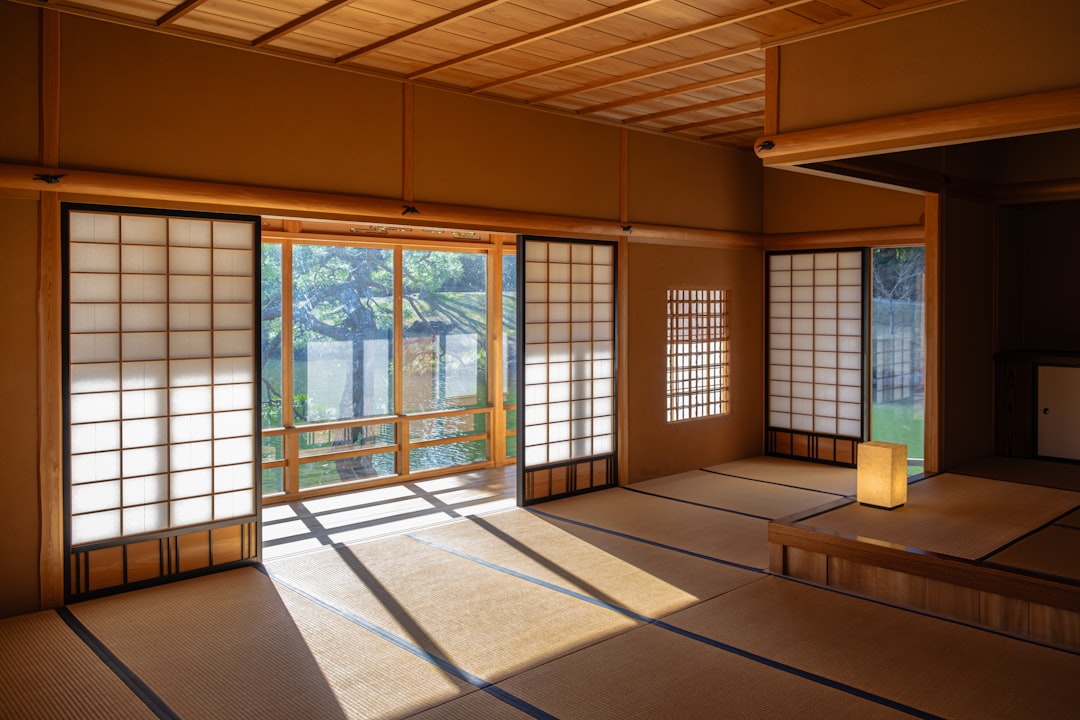

Photo by Viviana Nysaether on Unsplash
Why Budget Ryokan Stays Are Japan’s Best-Kept Secret
When most travelers imagine a ryokan, they picture a luxurious mountain retreat with a private onsen, an elaborate multi-course kaiseki dinner, and a price tag to match. While those experiences certainly exist, they represent only one end of a much broader spectrum. In reality, Japan is home to thousands of family-run, budget-friendly ryokan that offer the same core experience, tatami mat rooms, futon bedding, communal baths, and warm Japanese hospitality, without the eye-watering cost. These affordable inns are scattered across hot spring towns, rural villages, and even major cities, making it entirely possible to enjoy authentic traditional lodging on almost any travel budget.
This guide will walk you through what to expect from budget ryokan experiences, how to find the best value stays, and tips for making the most of your visit so you can immerse yourself in this quintessentially Japanese tradition without overspending.
What Exactly Is a Budget Ryokan?
A ryokan is a traditional Japanese inn that typically features tatami-floored rooms, sliding shoji doors, shared or private baths (often fed by natural hot springs), and futon bedding that is laid out each evening by staff or by guests themselves. Budget ryokan simply refers to more modest, often smaller-scale versions of this classic accommodation style. They may lack some of the frills of high-end establishments, but they retain the essential charm and cultural authenticity that make ryokan stays so memorable.
Common characteristics of budget ryokan include:
- Smaller, simpler rooms without elaborate decor or private en-suite baths
- Shared communal bathing facilities, sometimes including a small onsen or sento-style bath
- Simplified meal options, or the choice to skip meals entirely and dine out
- Family-run operations with a handful of rooms rather than large hotel-style properties
- Locations slightly outside major tourist centers, offering better value
Benefits of Choosing a Budget Ryokan
Authentic Cultural Immersion at a Lower Cost
Staying in a budget ryokan doesn’t mean sacrificing authenticity. You’ll still sleep on a futon atop soft tatami mats, wear a yukata robe provided by the inn, and often soak in a communal bath after a long day of sightseeing. These small rituals are at the heart of the ryokan experience, and they cost the same whether you’re paying a premium price or a modest one.
Opportunities for Genuine Connection
Because budget ryokan are frequently run by families who have owned the property for generations, guests often have more direct interaction with hosts than they would at a large hotel. Many owners are delighted to share recommendations for local restaurants, hiking trails, or lesser-known attractions, giving you insight you simply can’t find in guidebooks.
Access to Rural and Off-the-Beaten-Path Locations
Some of the most charming budget ryokan are located in smaller towns and rural areas where land and operating costs are lower. This means your accommodation choice can actually lead you toward more unique, less crowded destinations that many visitors overlook.
How to Find Great Budget Ryokan
Look Beyond Major Tourist Hubs
Ryokan in famous hot spring resort towns or central Kyoto can carry premium pricing due to demand. Consider staying in nearby towns or slightly less famous onsen areas, where quality inns offer similar experiences for a fraction of the price. A short train or bus ride can often mean significant savings.
Consider Shared Bathroom Options
One of the biggest cost differences between budget and luxury ryokan is whether bathrooms are private or shared. Opting for a room with a shared bathroom down the hall, rather than an en-suite bath, can dramatically reduce your nightly rate while still providing a clean, comfortable stay.
Skip the Elaborate Kaiseki Dinners
Traditional ryokan often include multi-course kaiseki dinners in their room rates, which can add substantially to the cost. Many budget ryokan offer a “room only” or “breakfast only” plan, allowing you to explore local restaurants and izakaya for dinner instead. This not only saves money but also gives you the chance to sample a wider variety of local cuisine.
Book Directly or Use Specialized Platforms
While major hotel booking sites list many ryokan, smaller family-run establishments sometimes aren’t listed on international platforms at all, or they offer better direct-booking rates. Look for regional tourism websites, local booking platforms, and ryokan association directories to uncover hidden gems that don’t appear in typical search results.
Travel During Shoulder Seasons
Prices at ryokan, like most Japanese accommodations, fluctuate with demand. Traveling during shoulder seasons, avoiding major holidays, weekends in popular areas, and peak seasonal events, can result in significantly lower rates even at the same property.
What to Expect During Your Stay
Check-In and Room Orientation
Most ryokan, budget or otherwise, have relatively early check-in windows and structured check-out times. Upon arrival, you’ll typically be shown to your room, offered tea, and given a yukata robe to wear during your stay. Don’t be surprised if shoes need to be removed at the entrance, this is standard practice throughout Japan.
Communal Bathing Etiquette
If your budget ryokan includes a shared onsen or bath, it’s important to understand basic etiquette: wash and rinse thoroughly at the shower stations before entering the bath, keep long hair tied up, and avoid bringing towels into the water. These communal baths are often the highlight of a ryokan stay, offering a relaxing way to unwind after a day of exploring.
Futon Bedding
Rather than a Western-style bed, you’ll sleep on a futon mattress placed directly on the tatami floor. Staff may lay this out for you in the evening, or in more budget-conscious establishments, you might be asked to set it up yourself. Either way, futon bedding tends to be surprisingly comfortable and is easy to adjust to after the first night.
Simple Yet Satisfying Meals
Even budget ryokan that include breakfast often serve a delightful traditional Japanese breakfast featuring rice, miso soup, grilled fish, and pickled vegetables. It’s a wonderful way to start the day, even if dinner isn’t included in your rate.
Tips for Maximizing Your Budget Ryokan Experience
- Pack light, as some budget ryokan have limited storage space compared to hotels
- Bring a few essential toiletries, as budget properties may offer fewer complimentary amenities
- Learn a few basic Japanese phrases, as smaller family-run inns may have limited English support
- Be respectful of quiet hours, since these are often residential-style buildings with thin walls
- Embrace the simplicity, the charm of a budget ryokan lies in its unpretentious authenticity
Final Thoughts
A tight travel budget shouldn’t mean missing out on one of Japan’s most cherished cultural experiences. Budget ryokan stays offer an accessible gateway into traditional Japanese hospitality, complete with tatami rooms, communal baths, and the quiet charm of family-run inns. By researching smaller towns, choosing shared bathroom options, and being flexible with meal plans, travelers of any budget can enjoy an unforgettable night steeped in Japanese tradition. So the next time you’re planning a trip to Japan, don’t overlook the modest ryokan tucked away in a quiet neighborhood or hot spring town, it might just become the most memorable part of your journey.