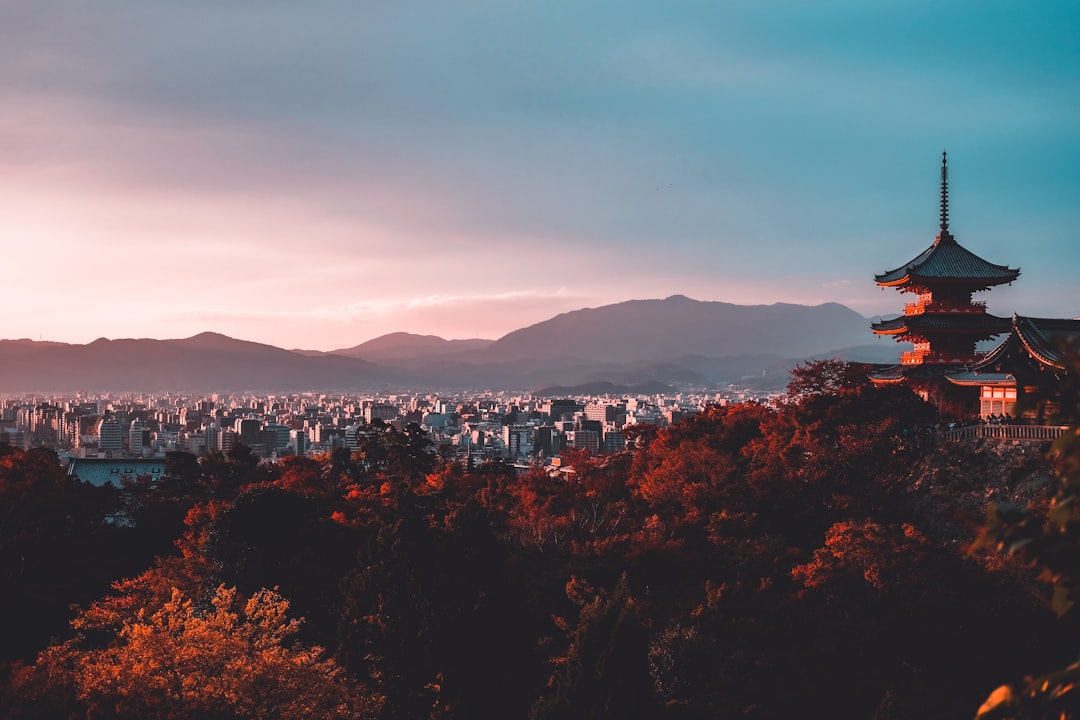
What Is Shukubo? Understanding Japan’s Temple Lodging Tradition
Shukubo (宿坊) refers to temple lodgings that have welcomed travelers and pilgrims across Japan for centuries. Originally built to house monks in training and pilgrims visiting sacred sites, many shukubo now open their doors to curious travelers seeking an authentic glimpse into Buddhist monastic life. Staying overnight at a shukubo is far more than simply finding a bed for the night—it is an immersive cultural experience that includes vegetarian temple cuisine, meditation sessions, and, most memorably, the chance to participate in a genuine morning prayer ceremony alongside resident monks.
Unlike a conventional hotel or ryokan, a shukubo stay invites guests into the rhythm of temple life itself. Sliding doors, tatami-mat rooms, futon bedding, and shared bathing facilities create a simple, contemplative atmosphere that strips away the noise of modern life. For travelers wanting to understand Japan beyond its cities and shrines, a shukubo temple stay morning prayer experience offers something rare: a direct encounter with living spiritual practice.
Why the Morning Prayer Experience Is the Heart of a Shukubo Stay
While the food, architecture, and tranquil gardens of a shukubo are wonderful, it is the morning prayer service—known as choka or gongyo depending on the sect—that defines the experience for most visitors. Guests are typically woken before dawn, often around 5:30 or 6:00 a.m., and invited to sit in the temple’s main hall as monks chant sutras, ring bells, and burn incense in a ritual that may have continued unchanged for hundreds of years.
Sitting cross-legged on cushions in a dimly lit hall, listening to the rhythmic chanting reverberate off wooden beams, is a profoundly grounding experience. Many visitors describe it as one of the most memorable moments of their entire trip to Japan, precisely because it cannot be replicated in a museum or a guidebook. It must be witnessed, and ideally participated in, firsthand.
What Happens During the Ceremony
- Guests gather quietly in the temple’s main hall, usually seated on cushions or benches
- Monks enter in ceremonial robes and take their positions before the altar
- Sutra chanting begins, accompanied by bells, drums, and sometimes conch shells
- Incense is offered, and in some temples, visitors may be invited to offer incense themselves
- A short dharma talk or blessing may follow, sometimes translated into English at temples accustomed to international guests
- The ceremony typically concludes within 30 to 45 minutes, followed by a simple breakfast
Where to Experience an Authentic Shukubo Stay
Japan’s most famous shukubo clusters are found in a handful of sacred regions, each offering a slightly different flavor of temple life.
Koyasan (Mount Koya), Wakayama Prefecture
Koyasan is perhaps the definitive destination for a shukubo temple stay morning prayer experience. Home to over a hundred temples and the headquarters of Shingon Buddhism, this mountaintop settlement offers dozens of temple lodgings, many accustomed to hosting foreign visitors. The morning fire ritual, called goma, performed at several Koyasan temples is particularly striking, involving dramatic flames and drumming as monks burn wooden prayer sticks inscribed with visitors’ wishes.
Mount Koya’s Okunoin Cemetery
Pairing your temple stay with an evening or early morning walk through the moss-covered lanterns and ancient cedars of Okunoin cemetery deepens the spiritual atmosphere of Koyasan considerably.
Kyoto and Nara
Though less concentrated than Koyasan, Kyoto and Nara host several temples offering overnight stays, often within walking distance of famous sightseeing spots. These options suit travelers who want to combine a temple stay with a broader city itinerary.
Mount Haguro, Yamagata Prefecture
For those seeking a shukubo experience deeply tied to nature and mountain asceticism, the Yamabushi lodges of Mount Haguro offer a rugged, less touristy alternative rooted in Shugendo mountain worship traditions.
What to Expect: Daily Schedule at a Shukubo
- Check-in (afternoon): Arrive by late afternoon, remove shoes, and settle into a tatami room
- Evening bath: Communal or private baths, often following traditional onsen etiquette
- Shojin ryori dinner: A multi-course vegetarian meal based on Buddhist dietary principles, free of meat, fish, and pungent vegetables like garlic
- Lights out early: Most temples encourage guests to sleep by 9 or 10 p.m.
- Pre-dawn wake-up: A bell or announcement signals the start of the day
- Morning prayer ceremony: The spiritual centerpiece of the stay
- Breakfast: Another simple, plant-based meal
- Optional activities: Sutra copying (shakyo), meditation, or temple garden tours
Practical Tips for Your Shukubo Stay
Booking in Advance
Popular temples, especially in Koyasan during peak travel seasons, fill up quickly. Reservations can usually be made through the temple directly, via regional tourism association websites, or through booking platforms that specialize in traditional accommodations. Booking several weeks ahead is recommended, particularly for temples known to welcome English-speaking guests.
What to Pack
- Comfortable, modest clothing suitable for sitting on the floor
- A light jacket, as temple halls can be cool, especially in early morning
- Slip-on shoes, since footwear is removed frequently throughout the stay
- An open mind and quiet respect for the ritual space
Etiquette During the Morning Prayer
Guests are usually permitted to observe quietly, and sometimes to bow, offer incense, or chant along if comfortable doing so. Photography is typically discouraged or prohibited during the ceremony itself out of respect for the practice. Arriving on time, dressing modestly, and maintaining silence before and after the ritual are essential courtesies.
Who Should Try a Shukubo Temple Stay?
This experience appeals strongly to travelers interested in mindfulness, Buddhism, or simply an alternative to Japan’s more commercialized accommodations. It is equally rewarding for solo travelers seeking reflection and families wanting to share a cultural experience together. Those sensitive to early wake-up times or minimalist sleeping arrangements should approach the stay with realistic expectations, but most guests find the trade-off well worth it.
Final Thoughts
A shukubo temple stay morning prayer experience offers something increasingly rare in modern travel: an unhurried, sincere encounter with living tradition. Waking before sunrise to sit in a candlelit hall, listening to centuries-old chants rise and fall, connects visitors to a rhythm of life that predates smartphones, schedules, and sightseeing checklists. Whether in the mountaintop sanctuary of Koyasan, the ancient temples of Kyoto, or the mist-covered peaks of Yamagata, a night spent at a shukubo promises not just a place to sleep, but a memory that lingers long after the trip has ended.
Photo by Su San Lee on Unsplash