Why Namba Is Osaka’s Hotbed for Design-Forward Stays
Namba sits at the beating heart of Osaka, a district where neon-lit canals, century-old theaters, and cutting-edge architecture collide. It’s no surprise that this vibrant neighborhood has become a magnet for design-forward guesthouses—intimate lodgings that treat interior design, local craftsmanship, and thoughtful hospitality as seriously as any boutique hotel, but at a fraction of the price. For travelers who care about aesthetics as much as location, Namba’s guesthouse scene offers a compelling alternative to generic business hotels.
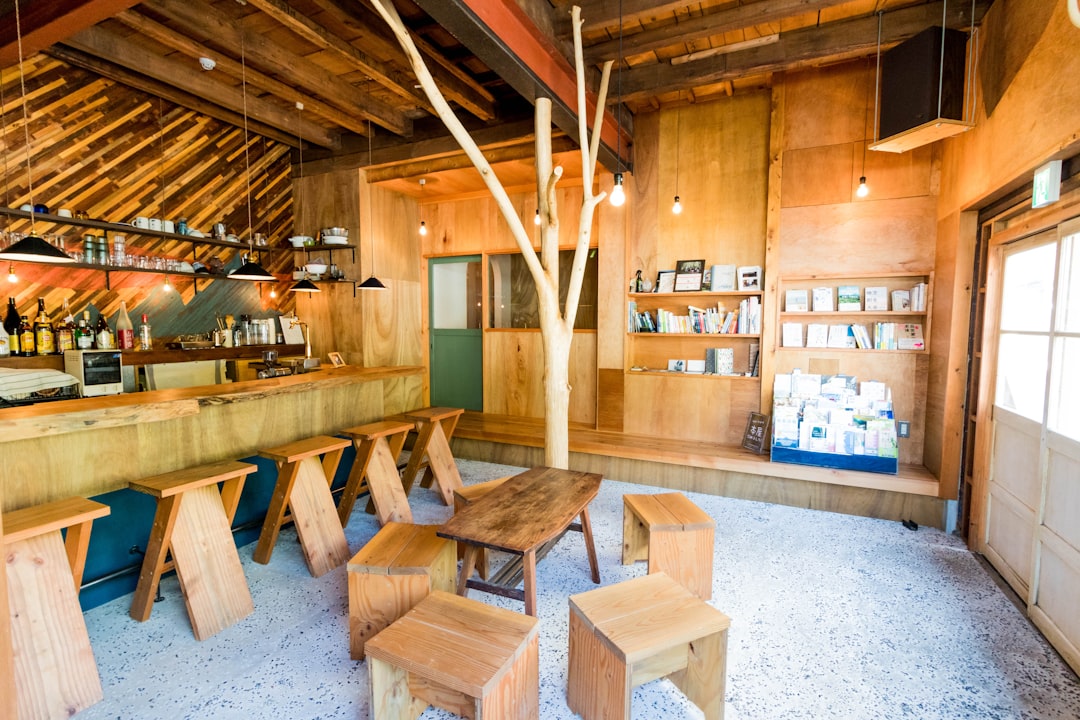
Unlike the sterile capsule hotels or chain accommodations that dominate much of Japan’s budget travel landscape, these guesthouses lean into concept-driven interiors: exposed concrete paired with warm wood, vintage Showa-era furniture reimagined in minimalist rooms, or entire buildings dedicated to a single artist’s vision. They’re often run by small teams or independent owners who treat the guesthouse as a creative project, not just a business.
What Makes a Guesthouse “Design-Forward”?
The term gets thrown around loosely, but in Osaka’s Namba district, a handful of characteristics tend to define genuinely design-conscious guesthouses:
- Curated interiors: Thoughtful use of materials like washi paper, reclaimed wood, and locally sourced textiles instead of mass-produced furnishings.
- Architectural intention: Renovated townhouses (machiya) or converted warehouses that preserve original structural elements while introducing modern layouts.
- Art and collaboration: Partnerships with local illustrators, ceramicists, or photographers whose work appears throughout common areas and guest rooms.
- Considered lighting and color palettes: Soft, layered lighting and muted tones that create atmosphere rather than harsh fluorescent overheads.
- Community-oriented common spaces: Shared kitchens, lounges, or rooftop terraces designed to encourage conversation among guests rather than isolate them in identical rooms.
These details matter because they transform a simple overnight stay into a memorable part of the travel experience itself.
Prime Pockets Within Namba to Base Yourself
Around Dotonbori Canal
Staying near the iconic Dotonbori Canal puts you steps away from the glowing signage, street food stalls, and river cruises that define Osaka’s nightlife. Design guesthouses in this zone often play with bold, playful interiors that echo the area’s maximalist energy, while still offering quiet retreats once you’re inside.
Nipponbashi and Den Den Town Edges
Slightly quieter than the canal-front chaos, this pocket blends Namba’s entertainment pulse with a more residential, laid-back feel. Guesthouses here tend to favor restrained, gallery-like aesthetics—ideal for travelers who want proximity to the action without the noise.
Namba Station Vicinity
For those prioritizing transit convenience, guesthouses clustered near Namba Station offer easy access to Kansai Airport limousine buses, subway lines, and the Nankai line toward Koyasan or Kansai Airport. Many of these properties compensate for a more urban setting with striking rooftop or courtyard design features.
Types of Design-Forward Guesthouses You’ll Encounter
Machiya-Style Conversions
Traditional wooden townhouses have been lovingly restored to preserve tatami flooring, sliding shoji screens, and inner courtyards, while adding modern plumbing, air conditioning, and minimalist furniture. These properties offer a rare chance to sleep inside a piece of Osaka’s architectural history.
Industrial-Chic Conversions
Former warehouses and office buildings near Namba have been reimagined with polished concrete floors, black steel fixtures, and oversized windows. These spaces often attract a younger, creative crowd and frequently double as informal galleries or event spaces.
Artist-Collaboration Concept Stays
Some guesthouses commission a single artist or design studio to conceive the entire property, resulting in a cohesive visual narrative—murals, custom furniture, and branded merchandise that make the stay feel like an immersive exhibit.
Scandinavian-Japanese Fusion Rooms
Blending Nordic minimalism with Japanese restraint, these guesthouses favor light wood tones, functional furniture, and uncluttered layouts—perfect for travelers who find comfort in simplicity after a day of Namba’s sensory overload.
What to Look for When Booking
- Recent guest photos: Interior design can change with renovations, so prioritize listings with recent, unfiltered photos over polished stock imagery.
- Shared vs. private facilities: Many design guesthouses maximize aesthetic investment in common areas, meaning private bathrooms might be limited—confirm this before booking if privacy matters to you.
- Soundproofing: Older converted buildings, however beautifully designed, can have thinner walls. Check reviews specifically for noise complaints if you’re a light sleeper.
- Check-in flexibility: Smaller guesthouses often have limited staffed hours; confirm self-check-in options or luggage storage if your arrival time is uncertain.
- Neighborhood noise levels: Namba is lively year-round, so ask whether rooms face the street or an interior courtyard for a quieter night’s sleep.
Budgeting for a Design-Forward Stay
One of the most appealing aspects of Namba’s guesthouse scene is affordability relative to design quality. Dorm beds in aesthetically driven hostels typically cost less than a mid-range hotel room, while private rooms in design-conscious guesthouses often undercut boutique hotels significantly, even with comparable interior polish. This makes it possible to enjoy a highly Instagrammable, thoughtfully curated stay without stretching your travel budget.
Beyond the Room: Namba’s Design-Adjacent Attractions
A stay in a design-forward guesthouse pairs naturally with exploring Namba’s broader creative scene. Independent bookstores, specialty coffee roasters, and small design boutiques are scattered throughout the district’s backstreets, rewarding travelers who wander beyond the main tourist arteries. Many guesthouse owners are happy to point guests toward lesser-known galleries, vintage furniture shops, or ceramics studios tucked away from the Dotonbori crowds.
Tips for Making the Most of Your Stay
- Arrive with a flexible schedule to enjoy common spaces during quieter daytime hours, when design details are easiest to appreciate without crowds.
- Engage with guesthouse staff—many are locals or long-term residents with strong opinions on the city’s best hidden design shops and eateries.
- Pack light; older converted buildings sometimes have narrow stairwells or limited elevator access.
- Respect shared spaces, as much of the design investment goes into communal lounges meant to be enjoyed collectively.
Frequently Asked Questions
Are design-forward guesthouses more expensive than standard hotels?
Not necessarily. Many prioritize design investment in shared spaces rather than room size, keeping nightly rates competitive with standard business hotels while offering a more memorable atmosphere.
Is Namba a safe and convenient base for first-time visitors?
Yes. Namba’s excellent train and subway connections make it one of Osaka’s most convenient bases, and the district is well-lit and busy well into the night, contributing to a strong sense of safety for solo and group travelers alike.
Do these guesthouses cater to solo travelers?
Absolutely. Many design-forward properties are specifically built around communal living concepts, making them ideal for solo travelers seeking both privacy and opportunities to meet fellow guests.
Final Thoughts
Choosing a design-forward guesthouse in Namba transforms an ordinary overnight stay into an extension of your Osaka travel experience. Whether you’re drawn to restored machiya charm, industrial-chic minimalism, or artist-driven concept rooms, this district offers no shortage of thoughtfully designed spaces to rest your head after a day of exploring one of Japan’s most electric neighborhoods.
Photo by Takafumi Yamashita on Unsplash