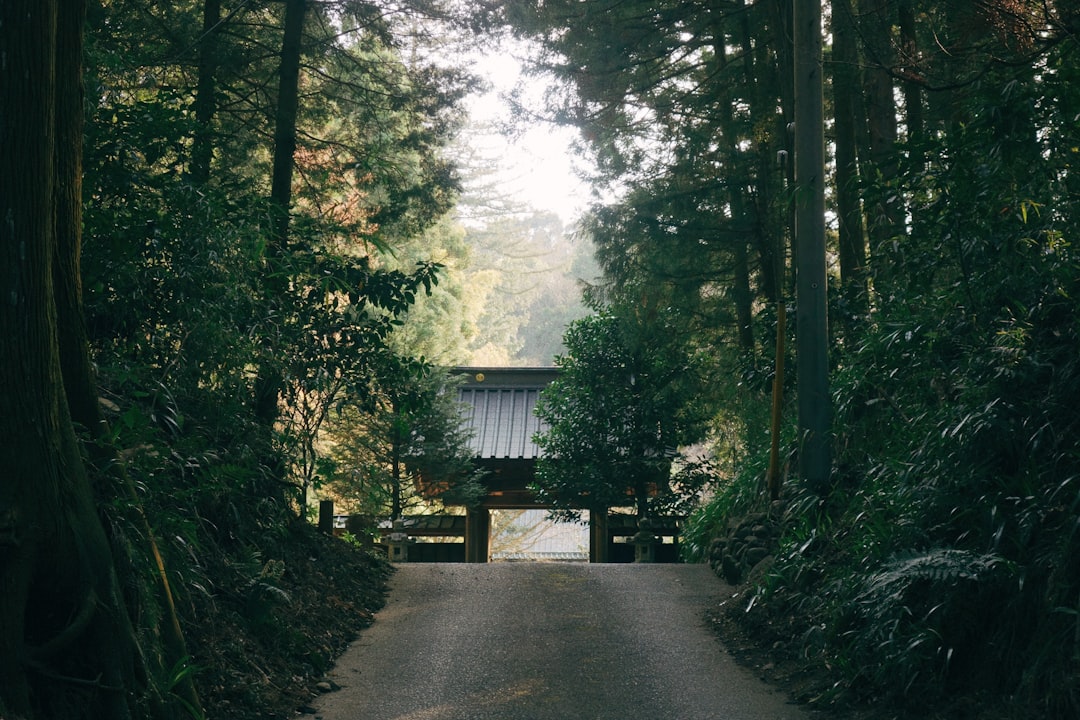
Discovering Koyasan and the Art of Shukubo
Perched high in the mountains of Wakayama Prefecture, Koyasan (Mount Koya) is the spiritual heart of Shingon Buddhism, founded over a thousand years ago by the monk Kobo Daishi. Today, this UNESCO World Heritage site is home to more than a hundred temples, many of which open their doors to travelers through a tradition known as shukubo, or temple lodging. Staying overnight in a shukubo is one of the most memorable experiences in Japan, allowing visitors to sleep in tatami rooms, eat vegetarian Buddhist cuisine called shojin ryori, and even join monks for early morning prayer ceremonies. Because these lodgings are limited in number and increasingly popular with both domestic and international travelers, learning how to book Koyasan temple lodging properly is essential to securing a spot and enjoying a smooth, authentic stay.
Why Stay in a Koyasan Temple Lodging
Unlike a standard hotel or ryokan, a shukubo offers a rare glimpse into monastic life. Guests can wander through moss-covered gardens, admire painted sliding doors and rock gardens, and wake before dawn to witness a goma fire ritual or sutra chanting session. Many temples also offer optional zazen meditation or sutra copying (shakyo) experiences. Beyond the cultural value, temple lodgings are simply beautiful places to sleep, often centuries old, quiet, and surrounded by cedar forests. For travelers seeking something beyond typical sightseeing, an overnight stay in Koyasan is often the highlight of an entire Japan itinerary.
When to Book Your Koyasan Stay
Koyasan sees fluctuating demand throughout the year. Spring and autumn are the busiest seasons thanks to cherry blossoms and vivid fall foliage, while summer offers a cool escape from the heat of Osaka and Kyoto, making it popular with domestic travelers as well. Winter is quieter and offers a serene, snow-dusted atmosphere, though some temples reduce availability or close certain facilities during the coldest months. Because rooms are limited, it is wise to book your Koyasan temple lodging as early as possible, ideally two to three months in advance for peak seasons, and at least three to four weeks ahead during quieter periods. Weekends and Japanese holidays fill up especially quickly, so flexibility with your travel dates can significantly improve your chances of securing a preferred temple.
Step-by-Step: How to Book Koyasan Temple Lodging
1. Decide Which Temple Suits Your Style
Not all shukubo are the same. Some are large and well-equipped for international visitors, offering private bathrooms and English-speaking staff, while others are smaller, more traditional, and offer a deeply immersive experience with shared facilities. Before booking, consider what matters most to you: proximity to Okunoin cemetery, access to a private garden view, availability of English support, or participation in specific rituals like morning prayers or fire ceremonies. Reading recent traveler reviews on independent travel forums can help you narrow down your choice.
2. Use the Official Shukubo Association Website
The most reliable way to book Koyasan temple lodging is through the official Koyasan Shukubo Association website, which lists most participating temples, their room types, meal options, and available dates. This platform allows direct reservation requests and often provides multilingual support, making it the safest choice for travelers unfamiliar with Japanese. Booking directly through the association also ensures your reservation supports the temple community appropriately and reduces the risk of third-party cancellation issues.
3. Consider Trusted Online Travel Platforms
Several major international booking platforms now list select Koyasan temples alongside regular hotels and ryokans. This option can be convenient because it allows you to pay in your home currency, read verified guest reviews, and manage cancellations through a familiar interface. However, availability on these platforms is often more limited than through the official association, so it is worth checking both channels before finalizing your decision.
4. Contact the Temple Directly
For smaller or more traditional temples that do not appear on major booking platforms, contacting the temple directly by phone or email is sometimes necessary. While this method requires more effort, especially if you do not speak Japanese, many temples are accustomed to international guests and will respond in simple English or through translation tools. Be sure to clearly state your desired dates, number of guests, meal preferences, and any special requests such as dietary restrictions.
5. Confirm Details and Prepare for Payment
Once your reservation request is accepted, you will typically receive a confirmation with check-in instructions, payment details, and any additional information about optional activities. Some temples require a deposit or full prepayment in advance, while others accept payment upon arrival in cash. Always confirm the accepted payment method beforehand, as many smaller temples still operate on a cash-only basis.
What to Expect During Your Stay
Check-in at most Koyasan temples begins in the late afternoon, allowing guests time to settle into their tatami rooms before dinner. Shojin ryori, the traditional Buddhist vegetarian cuisine, is typically served in the early evening and again as breakfast, showcasing seasonal vegetables, tofu, and sesame-based dishes prepared without meat, fish, or strong spices like garlic and onion. Many temples offer optional participation in the morning prayer service, usually starting around 6:00 a.m., where guests can quietly observe or join in the chanting. Rooms are simple yet elegant, featuring futon bedding, shared or private bathrooms depending on the temple, and views of meticulously maintained gardens. Wi-Fi availability varies, so travelers seeking a digital detox may find Koyasan the perfect place to disconnect.
Costs and Budgeting Tips
Temple lodging rates vary depending on the size of the temple, the season, and whether meals are included. Generally, a night with two meals costs more than a simple hotel stay in a major city, reflecting the quality of the cultural experience and the inclusion of home-cooked meals. Booking well in advance can help you access more affordable rooms before higher-priced options sell out. It is also worth noting that some temples offer discounts for extended stays or special packages that include meditation sessions or guided tours of Okunoin cemetery at night.
Etiquette Tips for a Respectful Stay
- Remove your shoes before entering tatami rooms and temple hallways.
- Keep noise to a minimum, especially during early morning and evening hours when monks are conducting rituals.
- Dress modestly, particularly if attending prayer services.
- Be mindful of shared bathing facilities if the temple offers a communal bath, following typical Japanese onsen etiquette.
- Show appreciation for the vegetarian meals, as they represent Buddhist dietary philosophy rather than a typical restaurant menu.
Final Thoughts
Booking Koyasan temple lodging is a rewarding process that rewards early planning and a willingness to embrace a slower, more contemplative style of travel. Whether you choose to book through the official Shukubo Association, a trusted travel platform, or by contacting a temple directly, the key is to plan ahead, communicate your preferences clearly, and approach your stay with curiosity and respect. A night spent among the cedar forests and candlelit halls of Koyasan often becomes the most cherished memory of an entire Japan journey, offering a rare window into centuries of spiritual tradition that few other destinations can match.
Photo by Anne Laure P on Unsplash