While Kyoto’s temples overflow with selfie sticks and Tokyo’s crossings pulse with elbow-to-elbow crowds, a quieter and arguably more authentic Japan waits just a few hours north. Sendai and the wider Tohoku region are home to some of the country’s most compelling hidden gem towns, places where centuries-old traditions, dramatic landscapes, and warm local hospitality remain refreshingly untouched by mass tourism. If you’re searching for an underrated alternative to Japan’s overcrowded classics, this guide to Tohoku’s off-the-beaten-path towns is for you.
Why Tohoku’s Hidden Towns Deserve Your Attention
Tohoku, the northeastern region of Japan’s main island, is often skipped by first-time visitors who funnel straight through the Golden Route of Tokyo, Kyoto, and Osaka. That’s exactly why it remains so rewarding. Fewer crowds mean shorter lines, more relaxed conversations with shopkeepers and innkeepers, and a genuine sense of discovery. The region’s mountainous terrain, hot spring culture, and rice-farming villages have preserved traditions that have all but vanished in more heavily touristed areas. Choosing Tohoku isn’t just good for your own travel experience, it also supports regional economies that benefit enormously from dispersed tourism rather than overcrowded hotspots.
Sendai: The Gateway to Tohoku’s Best-Kept Secrets
Sendai, Tohoku’s largest city, is often treated as a mere transit hub, but it deserves a day or two of its own. Known as the “City of Trees” for its lush zelkova-lined boulevards, Sendai offers a laid-back urban experience without the density of Japan’s megacities. Wander through the covered Ichibancho shopping arcade, sample the city’s famous grilled beef tongue (gyutan), and visit Zuihoden, the ornately decorated mausoleum of feudal lord Date Masamune, tucked into a quiet forested hillside. Sendai’s Shinkansen station also makes it the perfect launchpad for reaching the smaller, lesser-known towns scattered across the region.
Yamadera: The Cliffside Temple Town
Roughly an hour from Sendai by local train sits Yamadera, a temple complex built directly into a rugged mountainside. Climbing the thousand-plus stone steps to the summit shrine rewards visitors with sweeping valley views and a profound sense of tranquility, especially on weekday mornings when the crowds thin to almost nothing. The small town at the base retains an old-fashioned charm, with soba noodle shops and traditional inns lining the riverside street. Unlike Kyoto’s famous temple circuits, you can often have entire sections of Yamadera’s forested paths to yourself.
Ginzan Onsen: A Hidden Hot Spring Village Frozen in Time
Tucked deep in the mountains of Yamagata Prefecture, Ginzan Onsen feels like stepping into a nostalgic woodblock print. Gas lamps line a narrow river gorge flanked by multi-story wooden ryokan, many of which have hosted guests for well over a century. Because it requires a bit of effort to reach, via a scenic bus ride from Oishida Station, Ginzan Onsen remains blissfully uncrowded compared to more accessible hot spring towns. Staying overnight, soaking in a rotenburo (outdoor bath) while snow or autumn leaves drift past, is one of Tohoku’s most memorable experiences.
Naruko Onsen: Gorges, Kokeshi Dolls, and Steaming Baths
Naruko Onsen, accessible via a scenic train line from Sendai, combines therapeutic hot springs with the dramatic Naruko Gorge, best appreciated during the autumn foliage season, though it’s a rewarding hike or drive year-round. The town is also the birthplace of kokeshi dolls, simple wooden figures with painted faces that make for a meaningful, uniquely regional souvenir. Local workshops let visitors watch artisans turn and paint these dolls by hand, a craft rarely seen outside Tohoku.
Kakunodate: The Samurai Town Time Forgot
Often called “Little Kyoto of Tohoku,” Kakunodate in Akita Prefecture preserves an entire district of samurai residences dating back centuries, complete with black wooden fences, weeping cherry trees, and immaculately kept gardens. Unlike similar historic districts elsewhere in Japan, Kakunodate rarely feels overrun, allowing visitors to genuinely absorb the atmosphere of a bygone era. Renting a bicycle to explore the samurai quarter and riverside cherry tree tunnel is one of the best ways to experience this underrated destination at your own pace.
Tono: Japan’s Folklore Countryside
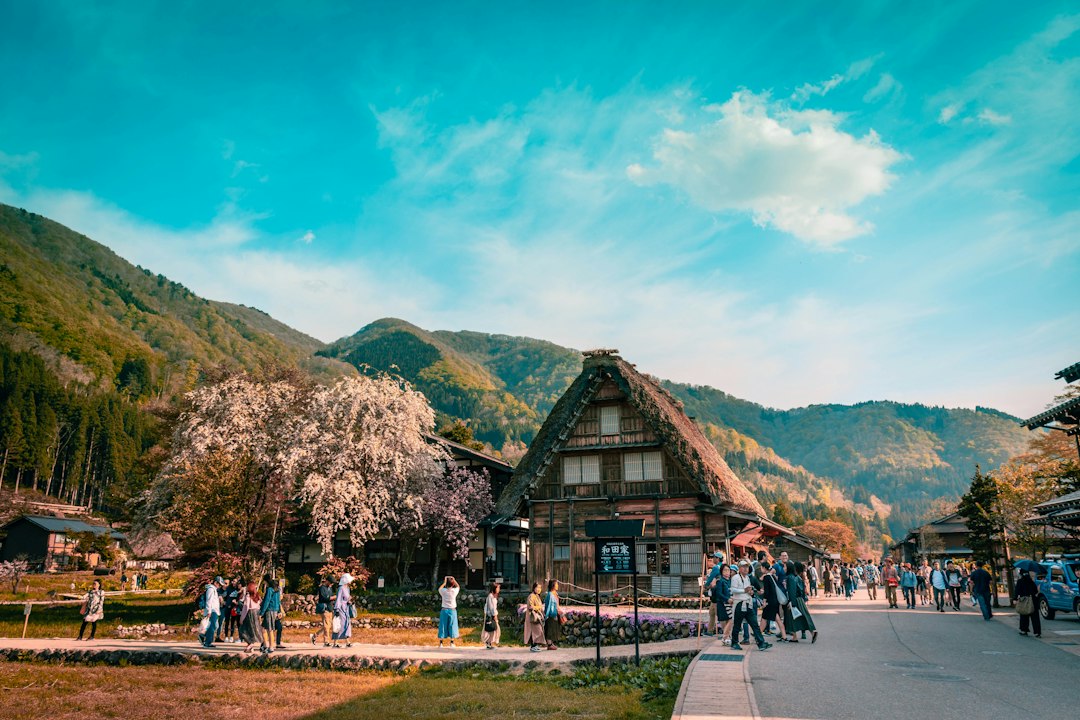
For travelers seeking rural Japan rather than another historic streetscape, Tono in Iwate Prefecture offers rolling farmland, thatched-roof farmhouses, and a rich tradition of folklore involving kappa water spirits and mountain gods. This is the setting of the famous collection “Legends of Tono,” and the surrounding countryside still feels steeped in these old stories. Cycling between rice paddies, visiting a traditional L-shaped magariya farmhouse, and chatting with farmers who rarely see foreign visitors make Tono one of the most authentic slow-travel destinations in Japan.
Hiraizumi: A UNESCO Site Without the Crowds
Hiraizumi holds UNESCO World Heritage status thanks to temples like Chuson-ji and its gold-leafed Konjikido hall, yet it receives a fraction of the visitors found at Japan’s other heritage sites. Once a flourishing capital that rivaled Kyoto in culture and refinement, Hiraizumi today is a peaceful town where you can wander temple grounds in near solitude, making it an ideal stop for travelers who want cultural depth without the tourist crush.
Aizu-Wakamatsu: Castle Town with a Samurai Spirit
In Fukushima Prefecture, Aizu-Wakamatsu centers around a beautifully reconstructed castle and a poignant history tied to the last stand of samurai loyalists. The town’s Nanukamachi shopping street, lacquerware workshops, and nearby Ouchijuku, a preserved Edo-period post town with thatched-roof buildings, round out a destination rich in history yet largely overlooked by international visitors.
Practical Tips for Regional Dispersion Travel in Tohoku
- Use the JR East Tohoku Area Pass for cost-effective travel between Sendai and smaller towns via Shinkansen and local lines.
- Visit hidden gem towns on weekdays when possible, as even the more well-known spots like Yamadera or Ginzan Onsen see more domestic tourists on weekends.
- Stay overnight in a ryokan rather than day-tripping; many of Tohoku’s best towns reveal their charm after the day-trippers leave.
- Rent a car for areas like Tono and Ouchijuku where public transportation is limited, giving you access to the true countryside.
- Learn a few basic Japanese phrases, as English is less common in these towns, part of what keeps them so wonderfully uncrowded.
Best Time to Visit Tohoku’s Hidden Towns
Tohoku rewards visitors in every season. Spring brings cherry blossoms to Kakunodate’s samurai district roughly a week or two after Tokyo’s bloom, letting you extend your hanami season. Summer offers lush green mountains ideal for hiking near Yamadera and Naruko Gorge. Autumn transforms the entire region into a canvas of red and gold foliage, particularly spectacular in Naruko Gorge and around Hiraizumi. Winter blankets Ginzan Onsen and Aizu-Wakamatsu in snow, creating a magical, quiet backdrop perfect for hot spring soaking.
Final Thoughts: Choosing the Road Less Traveled
Japan’s charm isn’t confined to its famous cities. In fact, some of the country’s most memorable experiences lie in the quiet hidden gem towns of Sendai and Tohoku, places where history, nature, and everyday local life intersect without the pressure of overwhelming crowds. By venturing off the well-worn tourist trail, you’ll not only enjoy a more relaxed and meaningful trip, you’ll also help spread the benefits of tourism to communities that welcome curious travelers with open arms. Pack your bags, board that northbound Shinkansen from Tokyo, and let Tohoku’s underrated towns surprise you.
Photo by Sorrawis Chongcharoen on Unsplash